On June 24, at 6:04 in the evening, two earthquakes hit Venezuela 39 seconds apart. Our team there had people moving within hours, as you’ll read in our “Among Rubble and Hope” post below. Four months later we’re still there, handing out food and hygiene kits to families who don’t yet have a permanent place to live.
That pattern (prepared ahead of time, quick to respond, slow to leave) is what our fall campaign was about. We called it “Ready Before. Active During. Present After.” and for two months we shared stories from every stage of ADRA disaster response, from a training program turning 20 to a family climbing out of a damaged apartment tower outside Caracas.
Here’s a look back at those stories, in case you missed any.
What ADRA’s fall campaign set out to do
Our fall 2026 campaign explained how disaster response works in three stages: preparing communities before a crisis hits, delivering relief while it’s happening, and staying through the long recovery afterward. Its main point was that people affected by a disaster still need help well after the news coverage stops.
Donations rarely follow that timeline. Research cited in our relief and development post below shows about 80% of disaster giving comes in the first few weeks.
Rebuilding a house takes a lot longer than that, and so does restocking a fish pond like the one Cyclone Remal wiped out for Anita’s family in Bangladesh, a story from our emergency response guide below.
Ukraine shows how long “after” can last. We’ve worked there since 1993, so our staff were already on the ground when the war began, and four years on they’re still repairing homes, getting families clean water, and bringing in generators and warm supplies before each winter. Venezuela is the newer case. As our two-month update below explains, the first phase of our recovery work there wrapped up in July, and the second runs through December.
Most of the people doing this work are local. That’s a big part of how we can start fast and keep going once outside attention moves on, something we’ve now done for more than 40 years in more than 120 countries.
Ready Before. We train response teams, store supplies near high-risk areas and build local partnerships. This fall, you saw it in our posts below on 20 years of Emergency Response Team training and our first French-language course in Togo.
Active During. In the first hours and weeks, we deliver food, safe water, shelter, hygiene kits and protection. Our response to the June earthquakes in Venezuela, covered in our “Among Rubble and Hope” post below, showed what that looks like.
Present After. Over months or years, we help families rebuild homes, income, schools and health care. Our recovery projects in Venezuela run through December (see our two-month update below), and in Ukraine the work is now four years in.
New to ADRA? Start with this guide
How ADRA Responds to Emergencies, and Why Your Gift Matters at Every Stage
This is the most practical post of the bunch. It takes the questions donors ask us most often (Does my gift actually reach people? How does aid show up so fast? What happens after the cameras leave?) and answers them with real responses.
You’ll meet Anita, whose family lost its fish pond, and most of its food and income with it, when Cyclone Remal hit Bangladesh in 2024. There’s also how our team in Chile handled a recent earthquake, and the quake-resistant homes we broke ground on in Afghanistan’s Herat Province. The last section spells out what a one-time gift covers compared with a monthly one.

Read: How ADRA responds to emergencies →
Before a disaster: training the people who respond
Preparedness is hard to raise money for. Nothing has happened yet, so there’s no photo to share and no headline to point to. But it’s the reason our teams can show up within hours of a disaster, and two of this fall’s stories looked at where that readiness comes from.
Celebrating Twentieth Anniversary of the Emergency Response Team Program
The program grew out of a hard look back. After the 2004 tsunami in Asia, we ran a network-wide review of our response, and Robert Patton, who had coordinated the work across the region, was asked to turn the lessons into a course.
The first one ran in Indonesia in October 2006, built around a simulated volcanic eruption. Michael Peach sat in that first class with Paulo Lopes, who now leads ADRA International. Peach wrote this anniversary piece himself. He covers how one course became 54 trainings across three levels, and why we’ve moved much of our emergency aid away from truckloads of supplies and toward cash.

Read the 20th anniversary story →
ADRA Marks 20 Years of Emergency Response Training with Milestone in West Africa
Until this year, our core emergency course had never been taught in French, which kept it out of reach for many of our staff in francophone Africa. That changed in Lomé, Togo, where 22 people from 10 country offices finally took it in their working language.
Our favorite detail is a morning devotional by Pastor Ben Issouf Ouedraogo of Burkina Faso. He’d just sat through a session on situation reports, so he read the persecution of the early church in Acts as if it were one, listing the displaced families, the trauma, and the need for food, shelter and protection.

Read about the training in Togo →
During a disaster: the first hours in Venezuela
Most of what people need in the first 72 hours is basic. Clean water, food, somewhere dry to sleep, soap. Getting it to them is the hard part when roads are blocked and aftershocks keep coming.
Among Rubble and Hope
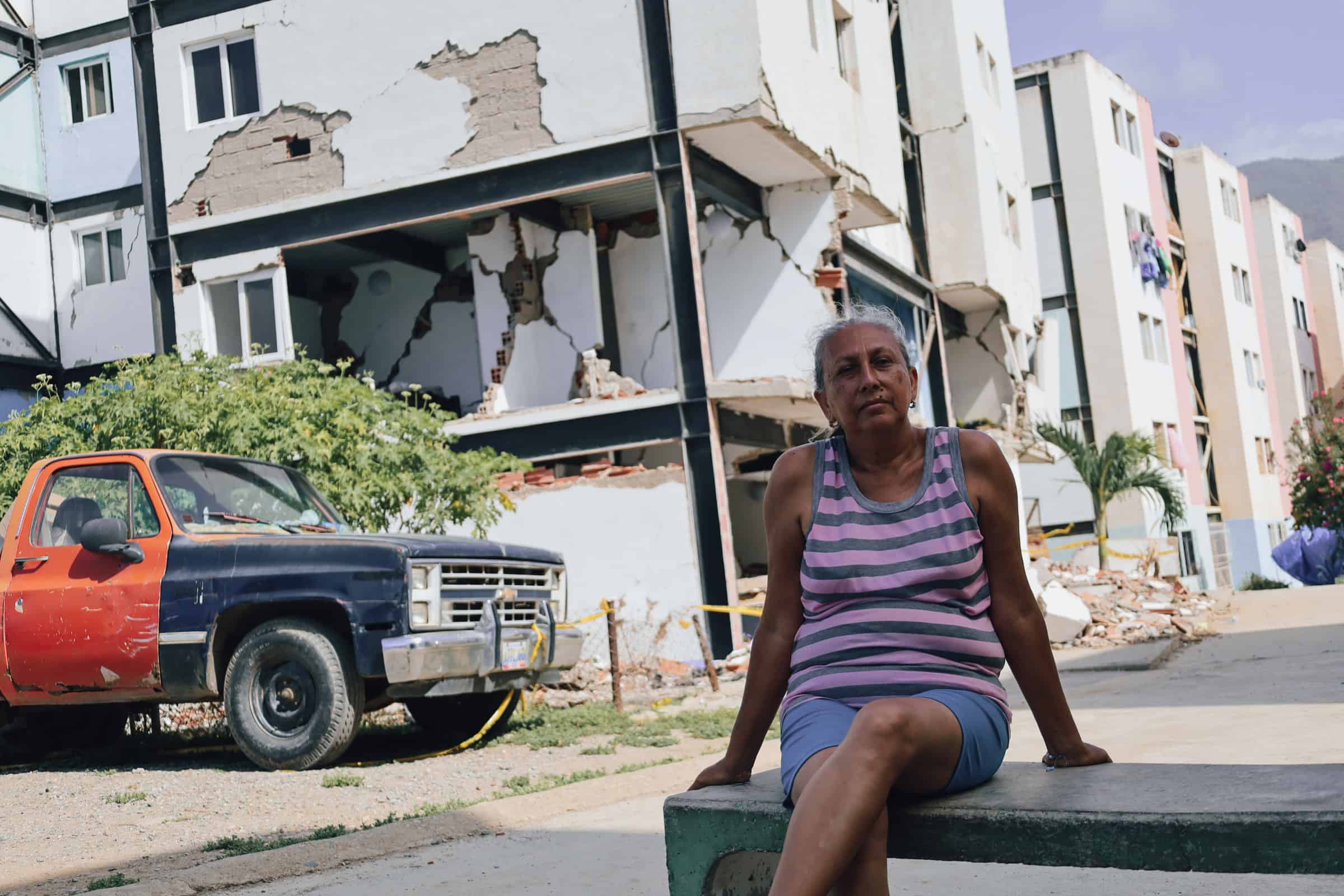
Oneida Oyárvez’s family had gathered in their apartment in Ciudad Caribia to watch Brazil play in the World Cup. Then everyone’s phones lit up with earthquake alerts, and the first quake hit almost at once.
Her husband stayed on his feet holding one granddaughter. Her son-in-law held the other while the shaking threw him against a wall again and again. When the stronger second quake came, the hallways of Tower 8 filled with debris and broken pipes, and neighbors forced jammed doors open to get people out. One woman shielded her children when a wall came down and later needed more than five hours of spinal surgery.

©️ ADRA Venezuela/2026/Elisamuel Devis Fermin]
Our team in Venezuela published this about a month after the quakes. Besides Oneida’s account, it describes what families in the shelters were going without (clean water, working toilets, medicine for diabetes and high blood pressure) and our plan to reach 90,000 people in the first three months.
After the emergency: why we stay for long-term recovery
Recovery is slow, and most of it happens out of view. By the time families can start rebuilding, the news has moved on and donations have dropped off, which is right when a lot of the expensive work begins.
How Venezuela Earthquake Recovery Is Unfolding, Two Months Later
Naila Marbal is 24 and pregnant. Two months after the quakes, she was living in a tent in La Guaira with her daughters, in a small camp of six families. She stays there so she won’t lose her spot on the list for housing help. In her own community, she says, 375 people died.

The update also gets into numbers: about 3,000 families (roughly 12,000 people) reached in our first phase, and a second phase of food, hygiene, protection and water projects that runs through December. You’ll also meet Yasmin Gómez, who spent weeks clearing the rubble of her sister’s collapsed house in Suma.
What’s the Difference Between Emergency Relief and Long-Term Development?
A lot of people use “relief” and “development” as if they’re the same thing. They aren’t, and the difference matters if you’re deciding when to give. This explainer splits disaster response into emergency relief (the first days and weeks), early recovery (up to about six months) and long-term development, which can run five years or more.
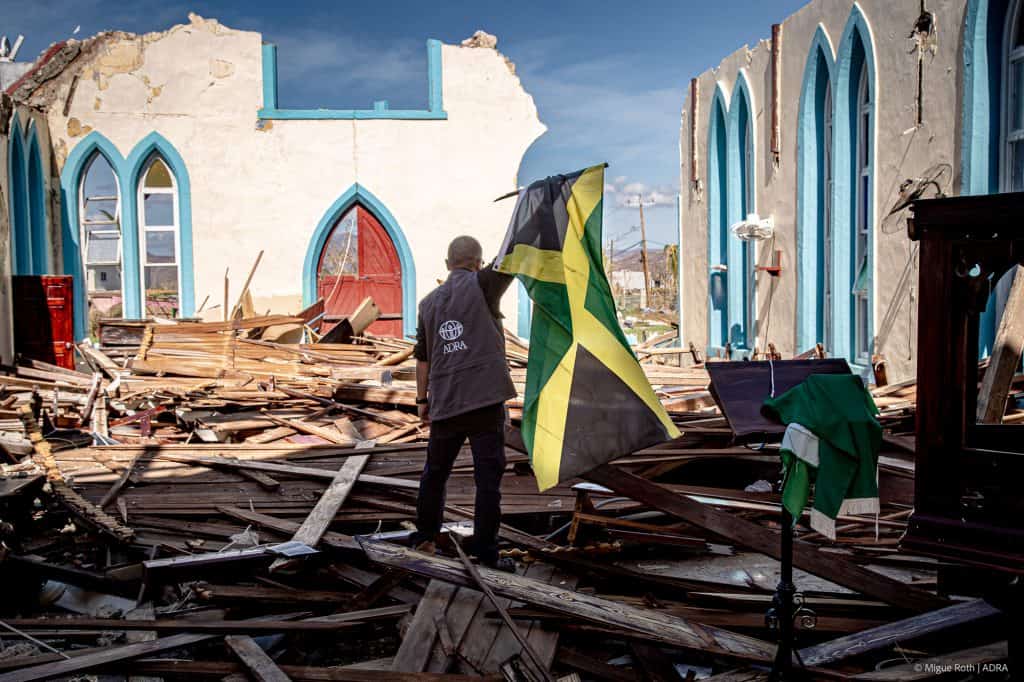
Hurricane Melissa is the example that runs through it. The Category 5 storm hit Jamaica on October 28, 2025; our response team landed in Kingston about 72 hours later, and within days our team in Jamaica had handed out 1,000 food kits in St. Elizabeth Parish. The post picks up from there and looks at everything those kits couldn’t fix.
Where ADRA disaster response goes from here
While this fall campaign may be wrapping up, the work in it keeps going. Our recovery projects in Venezuela run through at least December. In Ukraine, families are heading into a fifth winter since the full-scale invasion, and our staff there will spend November doing what they did in September.

If one of these stories stuck with you, think about giving in a way that matches how long recovery takes. A gift today reaches families who need help now. A monthly gift keeps us ready for the next disaster and able to stay through the one after it, long after most of the world has stopped paying attention.
Give to our emergency response →
Together, we bring hope home.
Questions people ask about ADRA disaster response
What does “Ready Before, Active During, Present After” mean?
It’s our shorthand for the three stages of disaster work. Before a crisis, we train staff, store supplies near high-risk areas and build local partnerships. During one, we deliver food, water, shelter and hygiene kits. Afterward we stay to help families rebuild, sometimes for years, as we did in the Philippines after Typhoon Haiyan.
How fast can ADRA respond to a disaster?
Often within hours. About 100 of our country offices keep a national emergency plan ready, and roughly 300 trained responders can deploy anywhere in the world. In Venezuela, our local team started its response within hours of the June 2026 earthquakes, beginning with temporary shelters in Caracas and La Guaira.
Why does recovery still need donations after the emergency ends?
Because most of the money arrives early. About 80% of disaster giving comes in the first few weeks, yet rebuilding homes, farms and schools takes years. When that later work goes unfunded, families can end up poorer than they were before, and more exposed when the next storm or earthquake comes.
How can I help with ADRA’s disaster response?
A one-time gift through our ADRA Responds campaign page funds emergency relief right now. A monthly gift through ADRA Angels, even $25, pays for the slower recovery work and keeps supplies ready for the next crisis. Not sure where it’s needed? An unrestricted gift lets us send it wherever the need is greates