When a disaster makes the news, most of us feel something immediate. The pull to do something, to help in some way, is real and instinctive. And then, just as quickly, the questions set in. Will my donation actually reach the people I saw on the screen? How does aid get there so fast? What happens to those families six months from now, when the coverage has moved on?
These are good questions. They deserve real answers.
At ADRA, our approach to emergency response is built around a simple principle:
This means we’re preparing communities before emergencies happen, deploying relief when crisis strikes, and staying long after the headlines move on—through every stage of recovery, for as long as families need support.
This post walks you through what each phase of emergency response looks like, and how your gift makes a life-changing impact at every stage.
Ready Before: Why Preparation Saves Lives
The most important work we do is the work nobody sees.
When a disaster strikes and ADRA teams are on the ground within hours, it looks like speed. What it actually is, though, is preparation. The training that happened months earlier. The relationships built with local community leaders long before any emergency. The supplies already staged in locations close to high-risk areas, waiting. None of that happens in the moment—it happens long before, funded by donors who understand that readiness is not a luxury, it’s the whole thing.
Preparedness is chronically underfunded in the humanitarian sector because it doesn’t make for compelling fundraising. There’s no urgency, no visible crisis to respond to. But when a disaster does strike, the communities with strong preparedness infrastructure survive better, recover faster, and require less emergency intervention than those without it. The investment pays off in lives—it’s just hard to see until the moment arrives.
When you give to ADRA’s Emergency Response, you’re not only funding relief. You’re funding the readiness that makes relief possible.
What “Prepared to Respond” Actually Looks Like
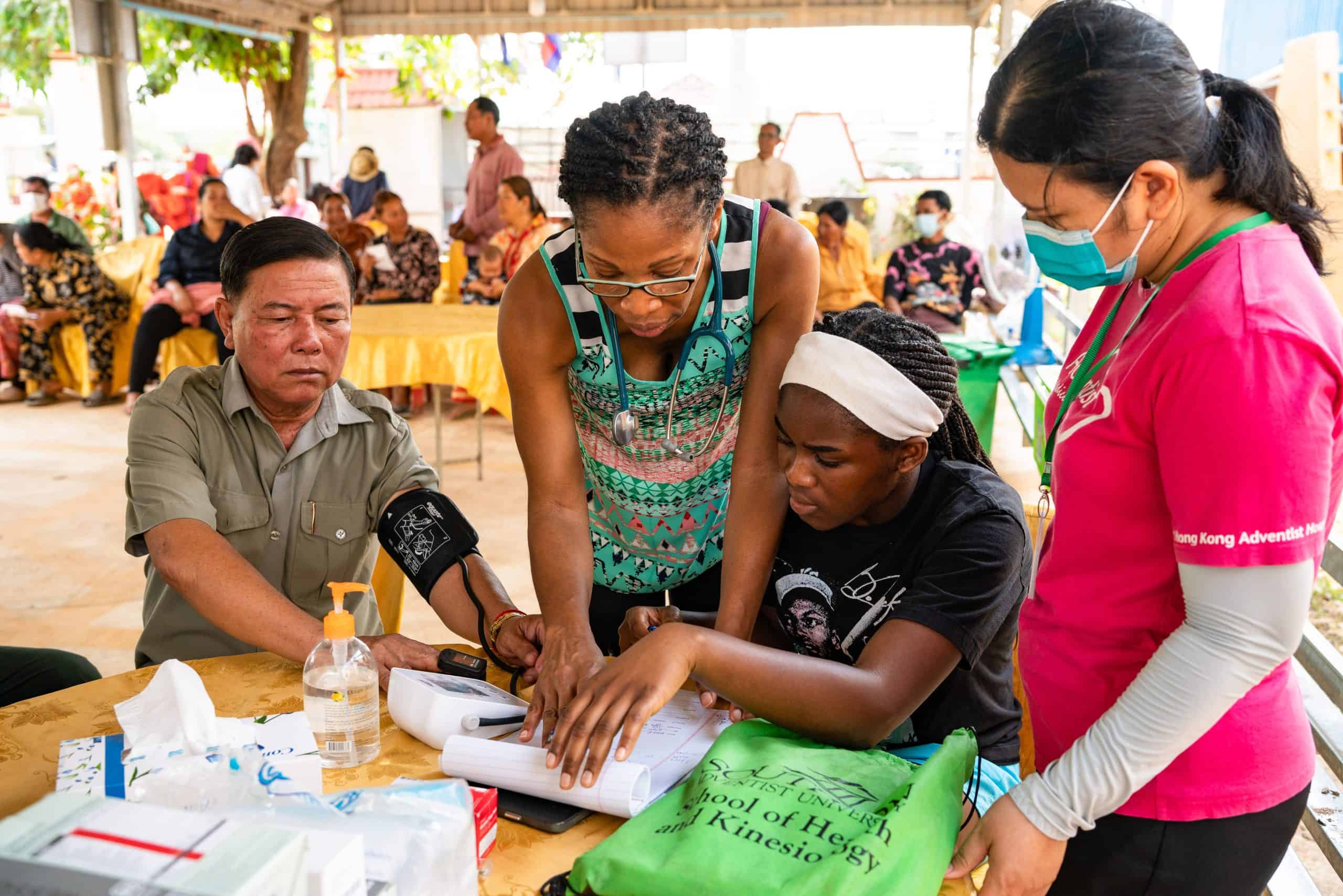
Preparation at ADRA follows a clear sequence: assess, prepare, respond, recover, restore. Before a crisis, that means conducting vulnerability assessments in high-risk communities, training local teams in emergency response protocols, pre-positioning food, water, and medical supplies, and establishing the local partnerships that allow aid to move quickly through trusted channels.
That last piece matters more than most donors realize. ADRA doesn’t fly teams into emergencies cold. We work through local staff and partners who are already embedded in affected communities—people who know the geography, the language, the community leaders, the fastest routes to the hardest-to-reach families. That infrastructure takes years to build. It can’t be improvised in the middle of a crisis.
The main reason ADRA’s emergency response can reach affected communities so quickly is preparation that happens long before a crisis begins. Local teams are trained, supplies are staged, and community partnerships are already in place—so when an emergency strikes, the response starts in hours, not weeks.
Active During: Active Relief When Every Hour Counts
In the immediate aftermath of an emergency, time is the variable that determines everything. The first 72 hours are crucial. Delayed responses can lead to worse outcomes for those impacted. Exposure, contamination, and the compounding effects of trauma all worsen with time. Getting there fast isn’t just logistically impressive—it’s the difference between life and death for the most vulnerable.

When ADRA deploys emergency relief, we bring what families need most: food, safe water, shelter, hygiene supplies, medical support, and protection services. Every item in an emergency response kit exists because someone needed it and didn’t have it. The specificity matters. A hygiene kit isn’t a secondary concern—in the aftermath of a flood or earthquake, when water sources are contaminated and sanitation infrastructure is damaged, it prevents disease outbreaks that can kill more people than the emergency itself.
But supplies alone aren’t the whole picture. Our teams listen. They ask families what they need most, what the community’s most urgent gaps are, what local knowledge should be shaping the response. That’s not a soft practice—it’s what makes the difference between aid that lands well and aid that misses the mark.
Read about ADRA’s Emergency Response Training here
Real People, Real Stories
In May 2024, Cyclone Remal swept through Bangladesh with devastating force. Among the thousands of families affected was Anita, whose fish pond—her family’s primary source of income and food—was destroyed overnight. What had sustained them was gone. Putting food on the table became, in her words, an impossible challenge.
ADRA Bangladesh responded quickly, reaching families like Anita’s with emergency food assistance: rice, lentils, cooking oil, and other essentials that provided stability in the days that followed. It wasn’t just a meal. It was the immediate removal of one crushing uncertainty at a moment when everything felt uncertain.

“In the aftermath of Cyclone Remal,” Anita said, “food relief is a lifeline.”
That’s what active relief looks like at the human level. Not a statistic. A family that can eat tonight, and tomorrow, while they figure out what comes next.
When you give to ADRA’s Emergency Response fund, you’re funding exactly that—the food in Anita’s hands, the water that’s safe to drink, the shelter that protects a family from the elements while they begin to find their footing.
Present After: Working Long After the Cameras Leave
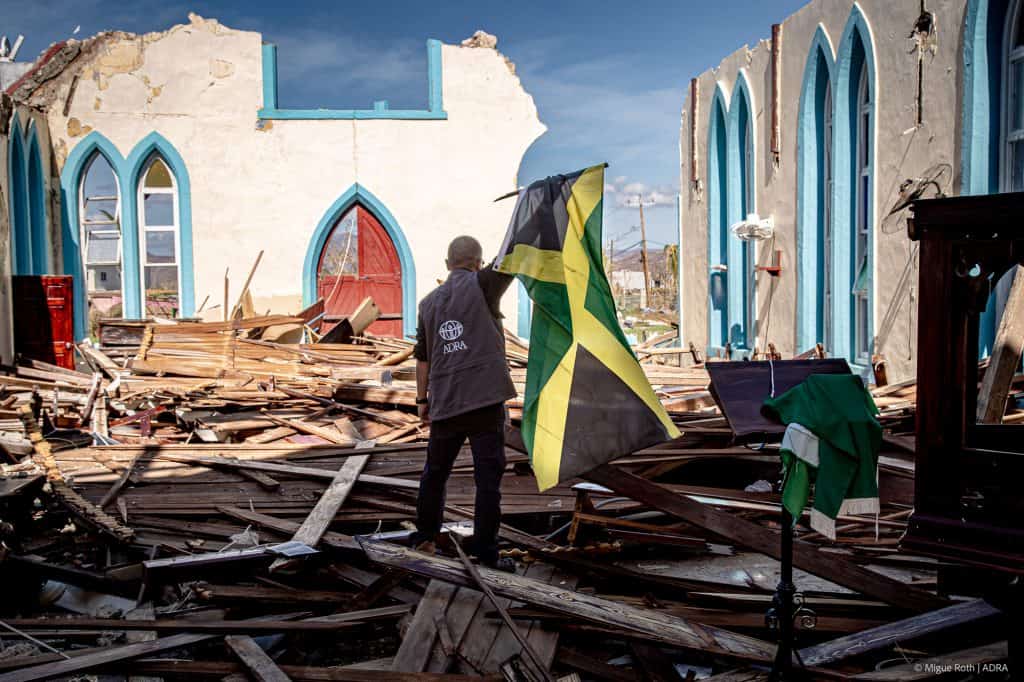
While the acute phase of most disasters lasts days, the recovery phase can last years.
A family that lost their home in an earthquake isn’t housed again in a week. A community whose agricultural land was destroyed by flooding doesn’t have a functioning livelihood again in a month. The road from crisis to restoration is long, and it’s largely invisible to everyone except the people walking it and the organizations committed to walking it with them.
This is where so much of the humanitarian sector falls short. Emergency funding flows in response to acute crises. Long-term recovery—the rebuilding of homes, livelihoods, schools, health systems, and community life—can sometimes get what’s left over, which often isn’t much. The cameras leave and, too often, the resources do too.
Recovery Isn’t a Moment. It’s a Journey.
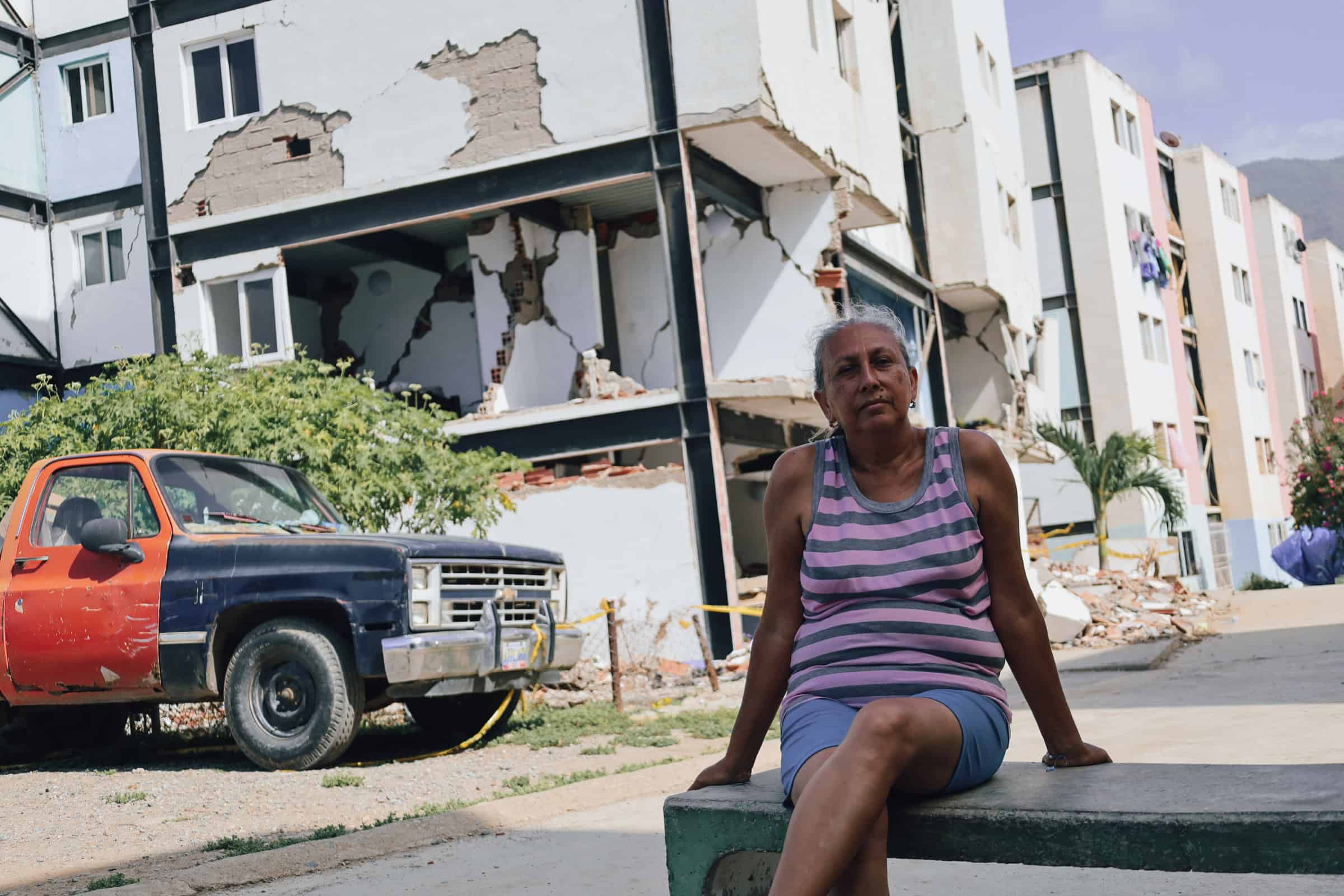
Following the earthquakes in Venezuela, ADRA teams didn’t pack up when the initial emergency response wound down. They stayed—working alongside local partners to help families access food, safe water, hygiene supplies, and the ongoing support they needed to begin rebuilding. Because recovery isn’t a single handoff. It’s a sustained presence, an ongoing commitment to walking with communities through every stage of a process that can’t be rushed.
The same was true in Afghanistan’s Herat Province after a devastating series of earthquakes in 2023. In addition to providing immediate assistance, ADRA worked into the following year to break ground on dozens of quake-proof homes for Afghan homeless families.

Long-term recovery from an emergency—rebuilding homes, restoring livelihoods, reconnecting communities to education and healthcare—can take years. ADRA stays present through every stage of that process, which is why sustained donor support matters as much as the initial emergency response.
For donors thinking about how to give, this is worth understanding. A one-time gift to an emergency appeal funds immediate relief. A recurring monthly gift funds the staying—the staff on the ground six months later, the livelihood program that helps a family like Anita’s rebuild what the cyclone took, the long arc of restoration that nobody films but everybody needs.
What Your Gift Makes Possible
Your gift enters this arc somewhere—and wherever it lands, it matters.
It might fund the pre-positioned supplies that reach a family in the first hours after an emergency. It might fund the local team member who has spent years building trust in a community that’s just been hit by a flood. It might fund the recovery program that helps a mother rebuild her livelihood twelve months after the headlines moved on. The phase doesn’t determine the value. The presence does.
Before an emergency strikes, your gift funds the readiness that makes a fast response possible. During a crisis, it puts food, water, shelter, and care into the hands of families who need them immediately. After the cameras leave, it keeps us on the ground—present through the long, quiet work of recovery and restoration that most donors never see but that changes lives all the same.
That’s the arc. And it only works because people like you choose to be part of all of it, not just the visible moments.
If you’re ready to stand with communities through every stage of a crisis, your gift to ADRA’s Emergency Response makes that possible.
Together, we bring hope home.
Frequently Asked Questions
How quickly can ADRA deploy emergency response after a crisis?
Because ADRA maintains local teams and pre-positioned supplies in high-risk regions around the world, we can begin deploying aid within hours of an emergency. That speed is the direct result of preparedness work that happens long before any crisis—training, supply staging, and community partnerships built over years.
How does ADRA decide where to respond?
ADRA assesses need based on the scale of impact, the vulnerability of affected populations, and our existing presence in a region. We prioritize the communities that are hardest to reach and most at risk—the families that other organizations often can’t get to quickly—and work through trusted local partners to deliver aid efficiently.
What does my emergency relief donation actually pay for?
Your gift funds the full range of emergency response: food, clean water, temporary shelter, hygiene kits, medical support, and protection services for affected families. It also funds the local teams and logistics infrastructure that get those supplies to people in time—often within the first critical hours after a disaster.
Does ADRA stay after the immediate crisis is over?
Yes—and this is central to how we work. Emergency response is only the first phase. ADRA stays present through the recovery and restoration phases, helping communities rebuild homes, restore livelihoods, and reconnect to essential services like healthcare and education. Recovery takes time, and we don’t leave when it gets slow.
How do I know my gift reaches people in time?
ADRA’s preparedness infrastructure—local staff, pre-positioned supplies, established partnerships—is specifically designed to eliminate the delays that cost lives in an emergency. We also maintain full financial transparency through annual reports and a strong Charity Navigator rating, so you can see exactly how funds are being used.