
Thailand: ADRA’s Mission to Keep Girls Safe
More than a year ago, a bright-eyed and slender nine-year-old girl named Malee* was offered refuge at Keep Girls Safe (KGS), a shelter in the rural district of Chiang Rai, run by ADRA in Thailand.
More than a year ago, a bright-eyed and slender nine-year-old girl named Malee* was offered refuge at Keep Girls Safe (KGS), a shelter in the rural district of Chiang Rai, run by ADRA in Thailand.
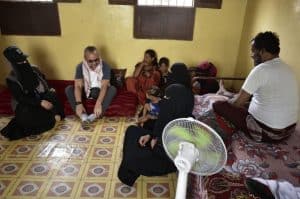
Three months ago, Esa was wasting away from a lack of food. Due to nationwide instability, there was little in the small Yemeni village of Al-Noba for the one-year-old to eat.
“I am scared to die from hunger,” Marie-Julina said.
“I have eight children and four grandchildren living with me,” she said. “I am responsible for their survival. We haven’t had enough to eat for eight years. We would plant, but nothing would grow.
Penna sits on a fallen tree holding her head in her hands. Tears roll down her face as she shares her story: “My children cry when they are hungry. And they are always hungry because I have so little to feed them. This drought has stolen our lives.” A mother of
Anwara has lived a nightmare. Her village was burned to the ground and her husband brutally murdered, forcing her to flee through the night to find safety for her children. “When the army attacked our village, they arrested all the men,” she said. “My husband was among them. “I had heard
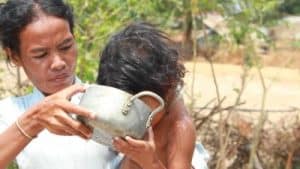
All over the world mothers like Mao live in fear of losing yet another child because of dirty water.
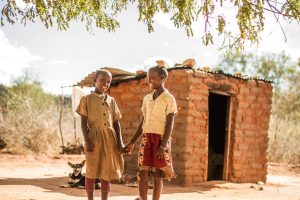
It seems as if Adia and Endana have always led a difficult life. In 2013, when the sisters were only 6 and 7 years old, their mother died, and soon afterward their older brothers left to find food and work. To this day, they haven’t returned. With a tear in her eye, Adia added, “Then the
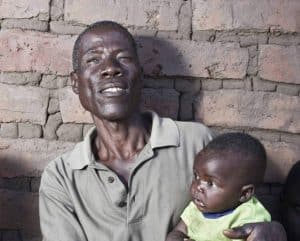
Tembwe* has 10 children and every day he has felt the pain of only being able to feed them one small meal of nshima, a dish made with maize flour, a day. Like any parent, he dreamed of a bright future for each of them—but instead, he was simply hoping they’d
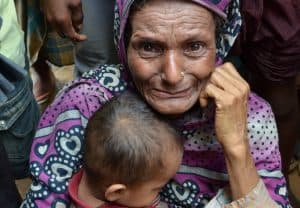
Samira and her grandson arrived in Bangladesh from the Rakhine state in Myanmar. Her four daughters were killed by militants with machetes, leaving her to flee with the young baby to save both of their lives. They are two of the more than 436,000 Rohingya who have fled to Bangladesh in just
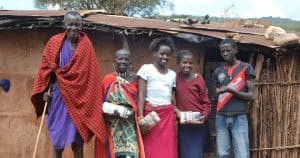
Nineteen-year-old Janet is the third of nine children born to peasant farmers in Kenya. Since she was seven years old, Janet dreamed of going to school so she could become a productive member of her community. She asked her parents to let her enroll, even though none of her other
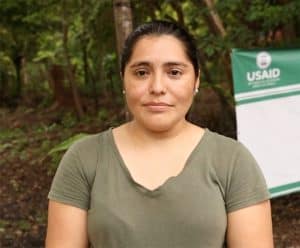
Ingrid Flores is a single woman living with her mother and young son in the dry corridor of Honduras where more than half of the population is living in substandard conditions.
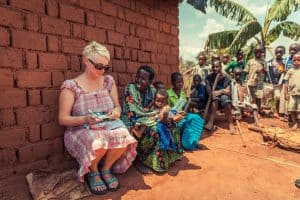
The Adventist Development and Relief Agency (ADRA) is honoring International Women’s Day (March 8) and National Women’s History Month by spotlighting the amazing stories of the mission’s female leaders.
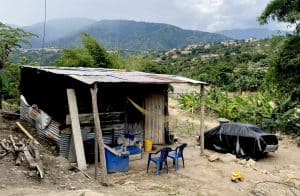
“Bucaramanga?”, my friend Mike chuckles1, “nope, never heard of it – but I’m amused to learn that a place called Boo·kaa·ruh·maang·guh even exists!”
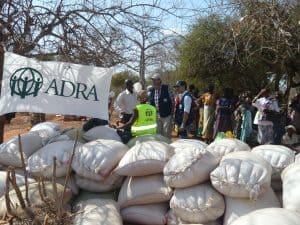
ADRA has been on the frontlines helping communities worldwide who are grappling with the aftermath of disasters and emergencies.
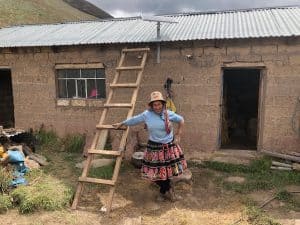
ADRA Connections volunteers are partnering with communities to fight this monster.
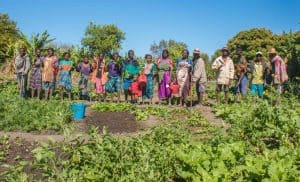
Standing in the middle of an endless field of vegetables, Maro Jeanine recalls how her village was years ago.
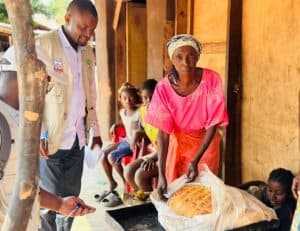
Located in the heart of Mugamba village, Madame Safyatu Mwamba Tchibola’s small bakery plays a vital role in supplying bread to local residents.
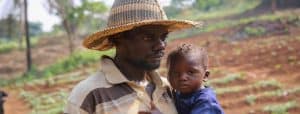
We didn’t have access to good seeds and didn’t know how to sow in order, so we sowed in disorder and production was very low; in a 0.5-hectare field of maize and cowpea seedlings after long and arduous work.
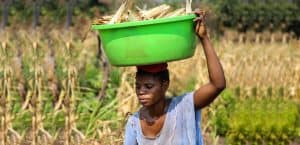
My children and I were miserable because we were in Angola during the war. With the exodus of refugees following this calamity, we returned to our village with nothing.
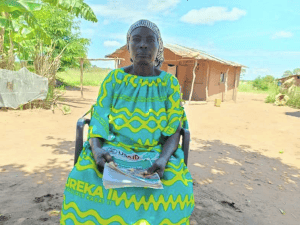
In the heart of Mungamba, a vibrant health area in a rural part of the Democratic Republic of Congo in Kasai Province, Kamonia Territory, lives Madam Tshibi Tshitambala Josephine, a 65-year-old woman with nine children whose story is a testament to the transformative power of education.