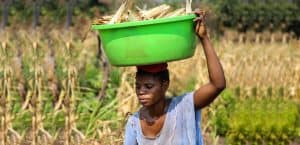
Agriculture’s Contribution to Better Living Conditions
My children and I were miserable because we were in Angola during the war. With the exodus of refugees following this calamity, we returned to our village with nothing.
My children and I were miserable because we were in Angola during the war. With the exodus of refugees following this calamity, we returned to our village with nothing.
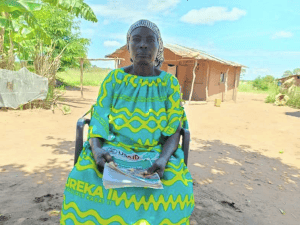
In the heart of Mungamba, a vibrant health area in a rural part of the Democratic Republic of Congo in Kasai Province, Kamonia Territory, lives Madam Tshibi Tshitambala Josephine, a 65-year-old woman with nine children whose story is a testament to the transformative power of education.
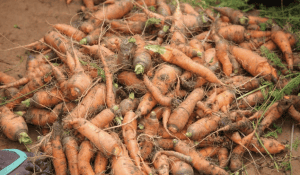
In the Democratic Republic of the Congo, the BUREKA project has been working to improve agricultural practices through cultivating carrots in Kamonia.
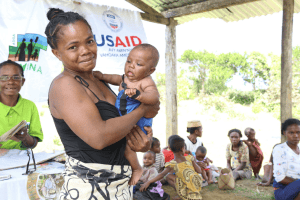
Because of a tragedy that happened to her a few years ago, Antoinette is very conscientious of the health of her children.
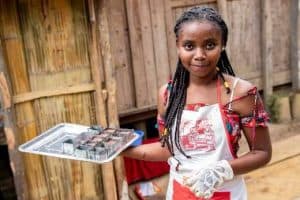
On the east coast of Madagascar, young people like Fazila live without prospects and with little hope for employment.
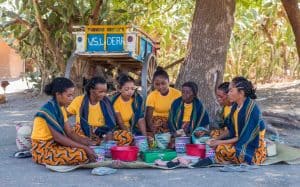
15 women in the village of Vorovoro, in Vohitany Commune, have decided to take their future into their own hands.
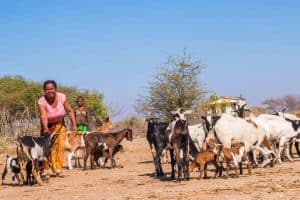
“I had a hard life,” says Longomasy, a widow and mother of four living in Belafika, a village in southwestern Madagascar.
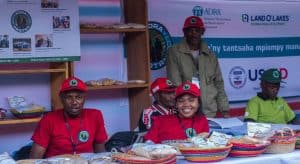
“If I had to give a title to my story, I would say ‘ASOTRY Changes Lives,” says Ravoahanginirina Marie Claudine, 31, a married mother of three.
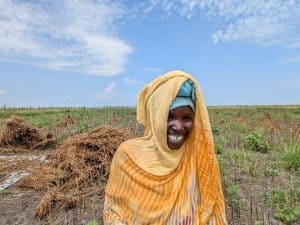
Like many families in Sudan, Fatooma’s life has been shaped by the complex challenges of displacement, conflict, and climate-related disasters.
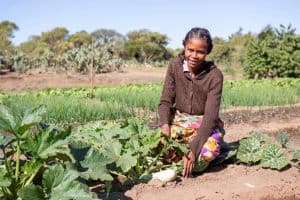
In Ejeda, a rural commune of Southern Madagascar facing a severe food crises, Jeanine became lead of a Farmer Field School, sharing knowledge on home gardening .
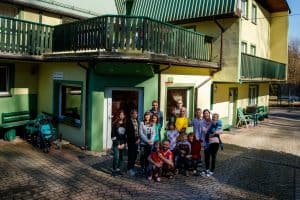
When the war reached their hometown of Novomoskovsk, Dmytro Trebushkovand his wife faced an impossible choice: stay in the home they had built with their foster children or flee with nothing but fait
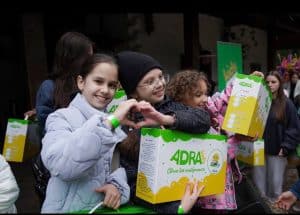
In today’s world, the line between natural and man-made crises is increasingly blurred — and the consequences are deeply personal.
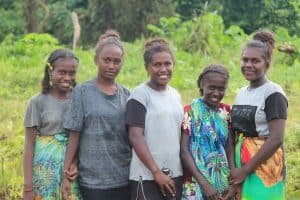
Every person deserves the dignity of a safe toilet. Yet, in 2025, nearly half the world’s population still lives without one.
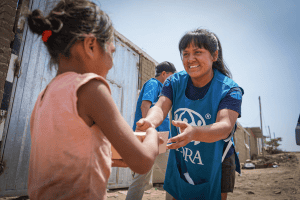
It is wonderful to connect about something so close to our hearts: the mission of the Seventh-day Adventist Church.
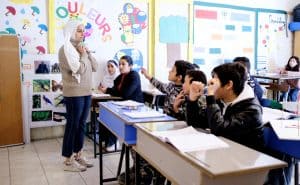
In classrooms across Baalbek and Mount Lebanon, children who have fled war and hardship sit side by side with their Lebanese peers, opening books, reciting lessons, and rediscovering what it means to dream again. Behind every one of those hopeful faces stands a teacher — a steady, compassionate guide shaping futures even in the most uncertain times.
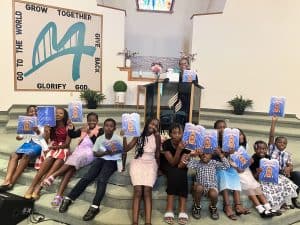
On the third Sabbath of every month, Terrina Williams tells the Children’s Story at Meadowbridge Seventh-day Adventist Church in Mechanicsville, Virginia. This year, Sabbath, June 21st, happened to be a special day—World Refugee Day.
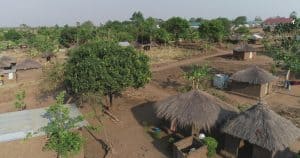
With the sun blazing on the tin roof, I heard her tell about how she fled for her life. In the refugee settlement she came to, she saw no other options than to sell her body.
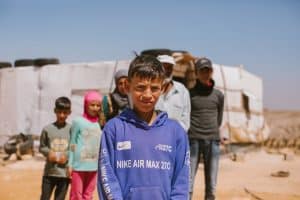
Across the world, millions of children are preparing to return to school—some carrying brand-new backpacks and pencils, others simply carrying the hope of a better future. At ADRA, we believe that education changes everything.
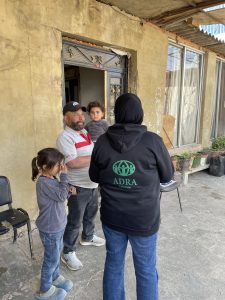
In the Middle East, where winter’s chill bites deeper for those who are displaced or living in poverty, one father’s quiet determination tells a powerful story about love, dignity, and survival
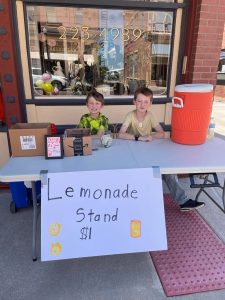
Each year, Shelly Bradley’s Sabbath School class would flip through ADRA’s Gift Catalog, choosing a project to fund by Christmas.