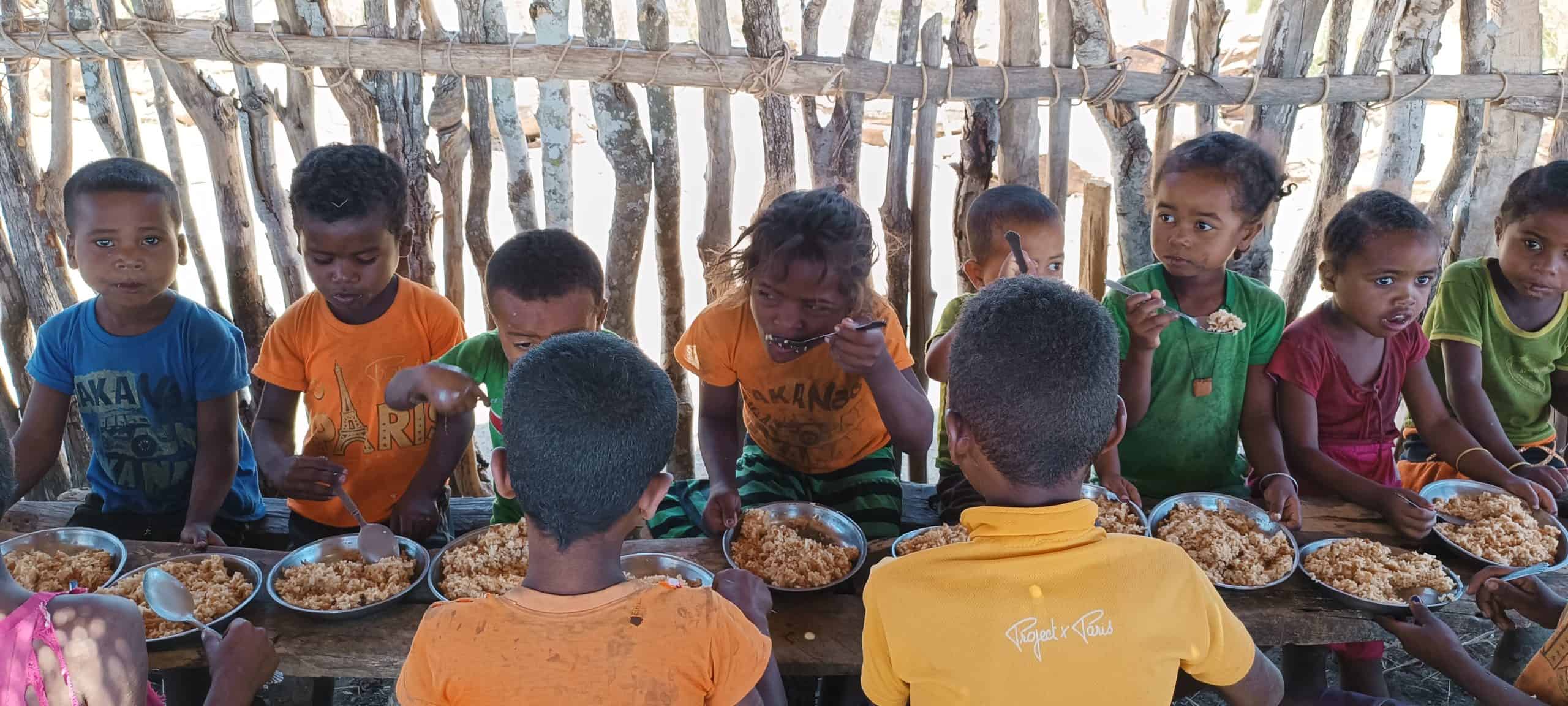
“If I had to give a title to my story, I would call it ‘ASOTRY Changes Lives,’” says Ravoahanginirina Marie Claudine, a 31-year-old married mother of three.
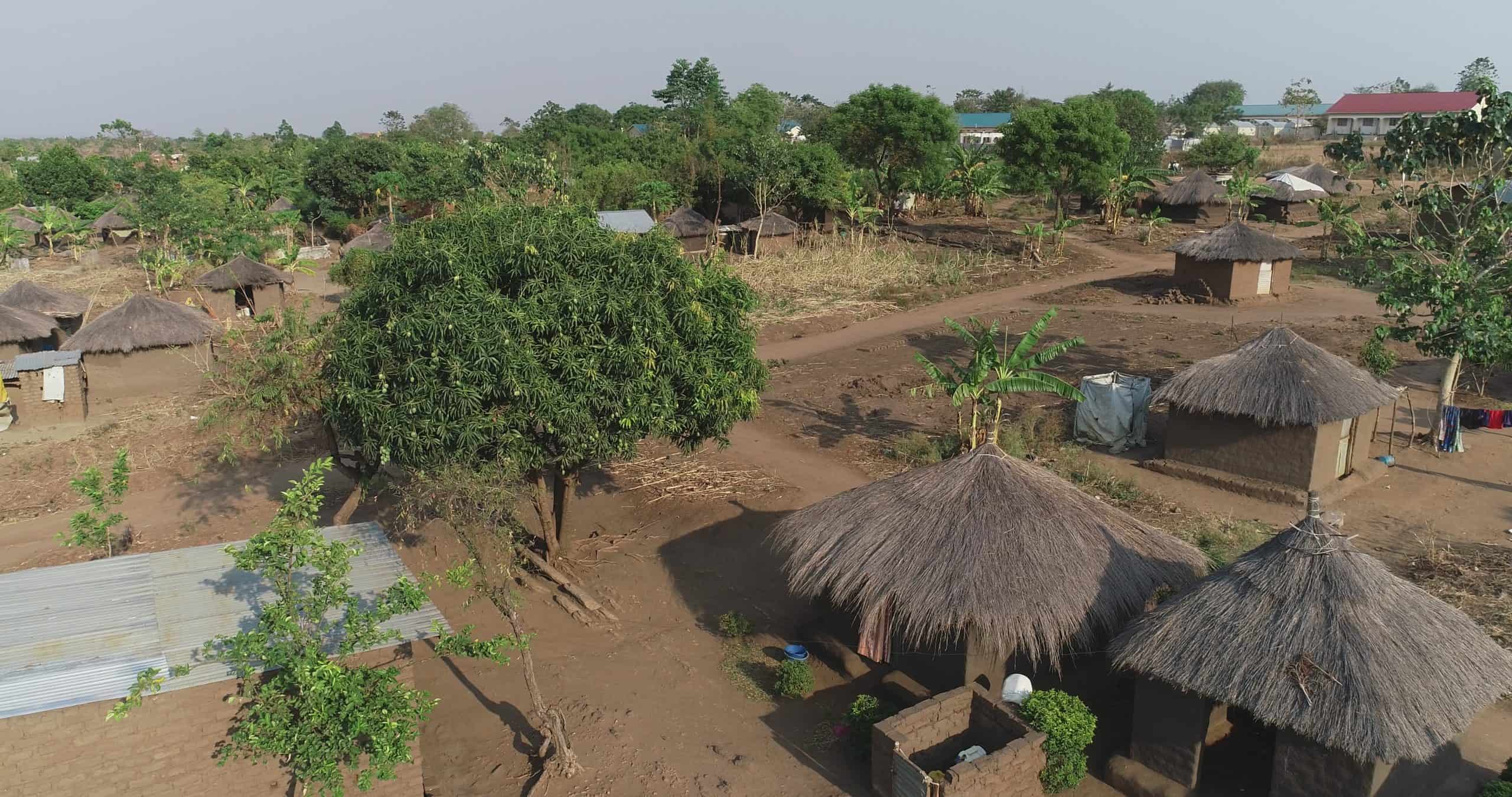
Known as Voahangy, she lives in the village of Ambato Mitongoa Tambohobe in Anjoma Commune, Madagascar.
Voahangy left school at a young age because she could not afford to continue, and she struggled to find steady work. “To earn a little money, I carried people’s goods on my head, walking 5 to 10 km to Anjoma Commune,” she said. “I also tried small businesses, but even then, it was hard to find enough food each day.”
In 2015, the ASOTRY project, funded by USAID and implemented by ADRA, began working in her village. Motivated to learn new skills, Voahangy joined the project as a lead mother in its health program.
“After the training, my role was to share what I learned with other mothers, especially about nutrition and hygiene,” she explained. “They appreciated the support. Some even said that without this advice, their children might not have survived.”
As a farmer, Voahangy also took initiative. She joined with 17 other farmers to form a Farmer Field School group called “FFS Miray Hina,” and she was elected president.
“We learned new farming and livestock techniques through the FFS,” Voahangy said. “Before the ASOTRY Project, we used traditional methods. For example, with 5 kg of peanut seeds, I harvested only 30 kapoaka (cans), even with chemical fertilizers. Now, by using improved methods like composting, I can harvest up to 120 kapoaka. My rice production has also increased—from one ton to more than three tons, even on a small field.”
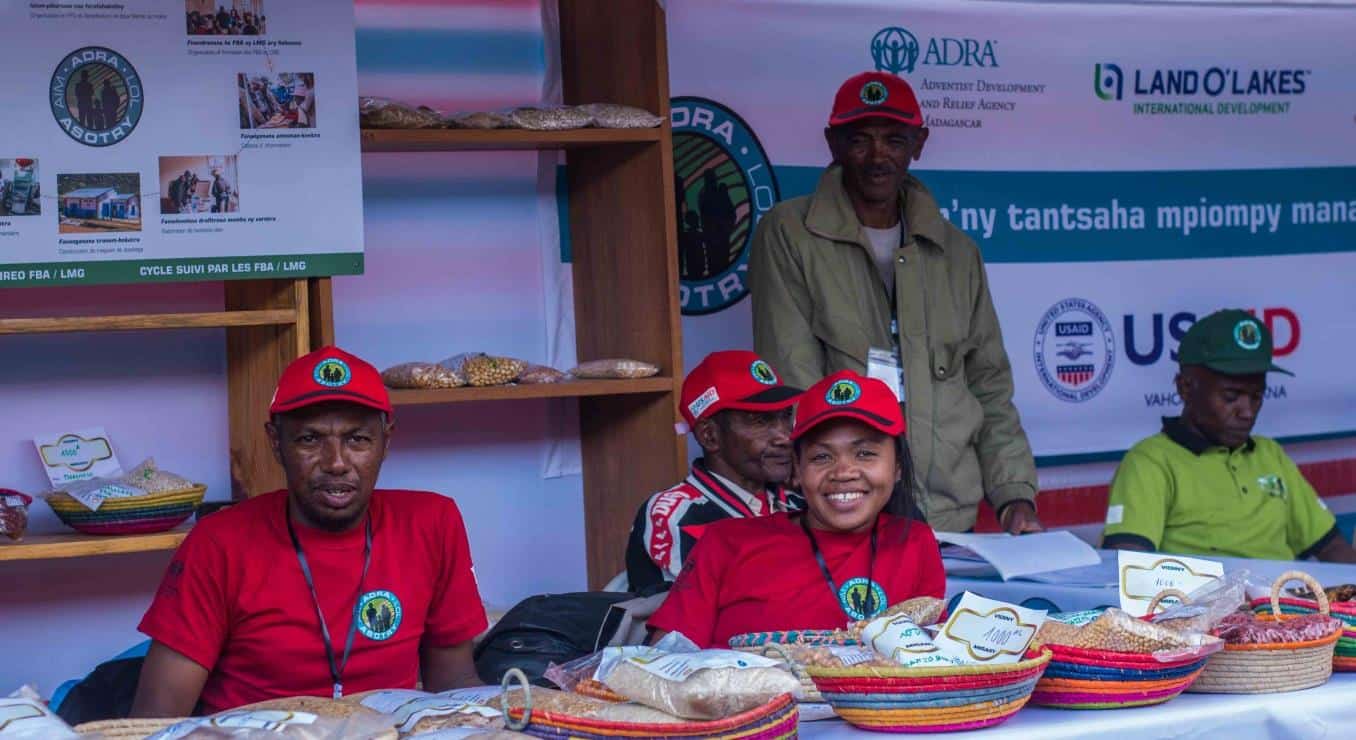
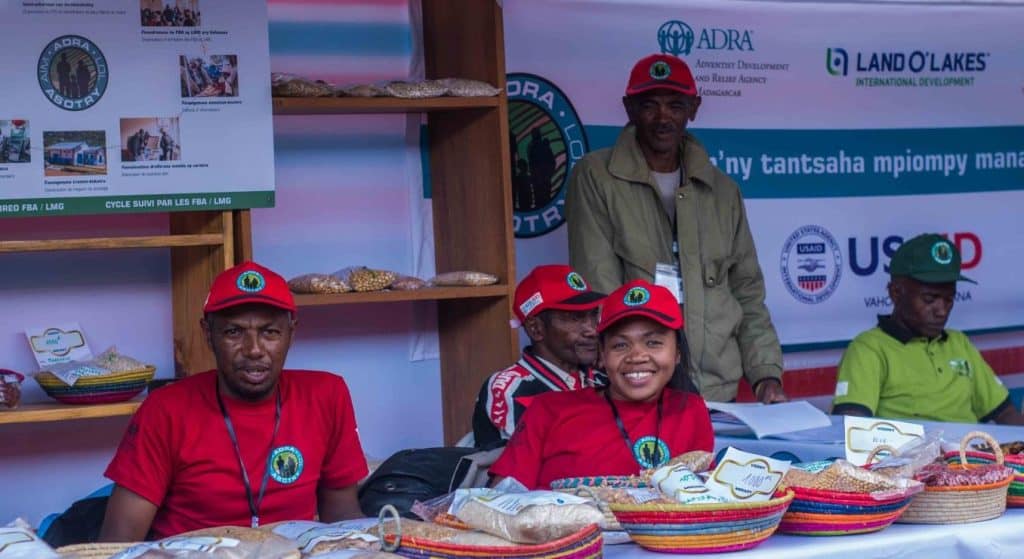
Her group, FFS Miray Hina, later grew into a Farmer Business Association (FBA), with Voahangy again elected as president. “Being part of the FBA has brought many benefits,” she explained. “We took part in the FIER MADA 2018 national fair in the capital, Antananarivo, which helped us connect with larger markets. The project also gave us a phone and trained us to use Facebook to promote our products. Now, even though we live in a remote area, we can access market information more easily.”
In addition to farming, Voahangy also runs a poultry business. “At first, people were afraid of raising chickens because of disease risks,” she said. “After the training, I became a Community Livestock Worker. I help care for animal health, including vaccinating and deworming chickens, and I support other farmers in applying improved techniques. By using these skills, I now have 250 chickens.”
Voahangy is also committed to supporting her community. She leads a Village Savings and Loans (VSL) group, which helps members save and invest in their businesses. “As president of our VSL, I use my savings to buy quality seeds for farming,” she said.
Alongside her many roles—lead mother, farmer leader, cooperative president, livestock worker, and VSL leader—Voahangy is also a certified ASOTRY literacy teacher. Step by step, her involvement in the project has improved her family’s life.
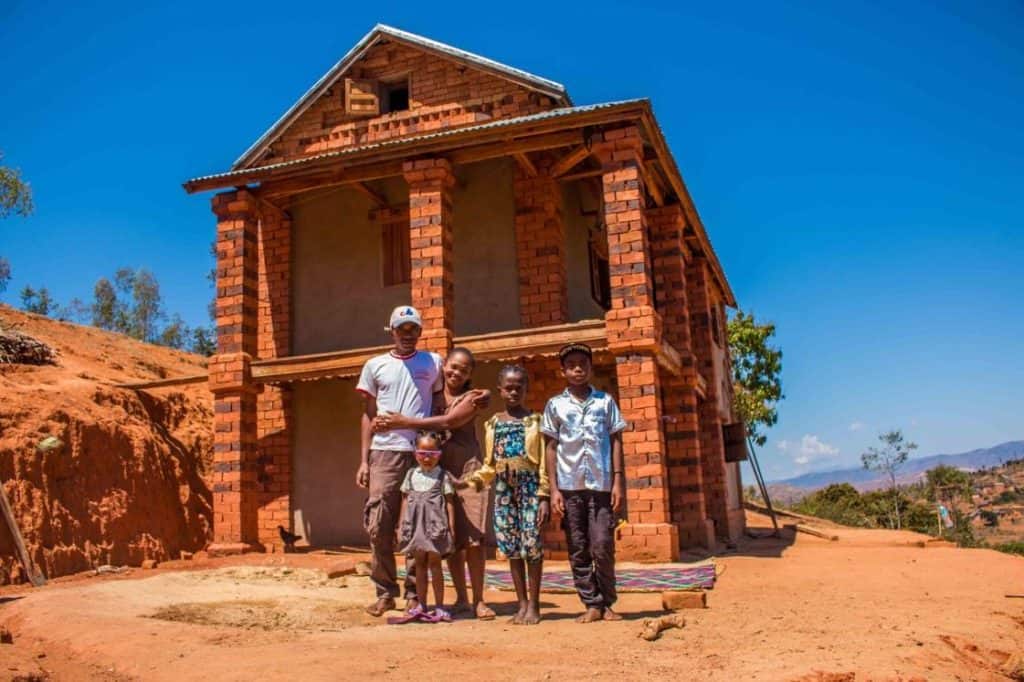
In early 2017, she began collecting clay bricks to build a new home. Construction started in November 2017 once all materials were ready.
“Thanks to what we gained from the ASOTRY Project, my husband and I were able to build our home,” she said. “When the community heard about it, 120 people volunteered to help carry bricks as a sign of support. I was so touched by their enthusiasm. In less than a month, the house was completed—something we had never seen before in the village.”
Voahangy now hopes to build a warehouse to store her crops in the near future.