This year’s World Toilet Day theme, “Sanitation in a Changing World,” reminds us that sanitation systems must be future-ready and accessible to all, resilient to floods and droughts, and supported by strong investments that protect both people and the planet.
According to the World Health Organization (WHO) and UNICEF (2025):
- 3.4 billion people still live without safely managed sanitation services.
- 354 million people practice open defecation, increasing the risk of disease and harm, especially for women and girls.
- Every day, 1,000 children under age five die from diseases linked to unsafe water, sanitation, and hygiene.
- If progress continues at its current pace, 3 billion people will still live without safe toilets by 2030.
- 427 million children lack a usable toilet at school, and 205 million attend schools where toilets exist but are not functional.
A “safe toilet” does more than provide privacy, it ensures waste is properly managed so it doesn’t contaminate rivers, lakes, or groundwater. Inadequate sanitation spreads diseases like cholera and contributes to water scarcity, hitting the most vulnerable communities hardest.
ADRA’s Impact: Water, Sanitation, and Hygiene for All
Around the world, ADRA’s Water, Sanitation, and Hygiene (WASH) programs are transforming lives by providing safe toilets, clean water, and hygiene education. In the past year alone, more than 1.4 million people have benefited from ADRA’s WASH initiatives.
Safe sanitation does more than protect health, it restores dignity, empowers women, and keeps children, especially girls, in school.
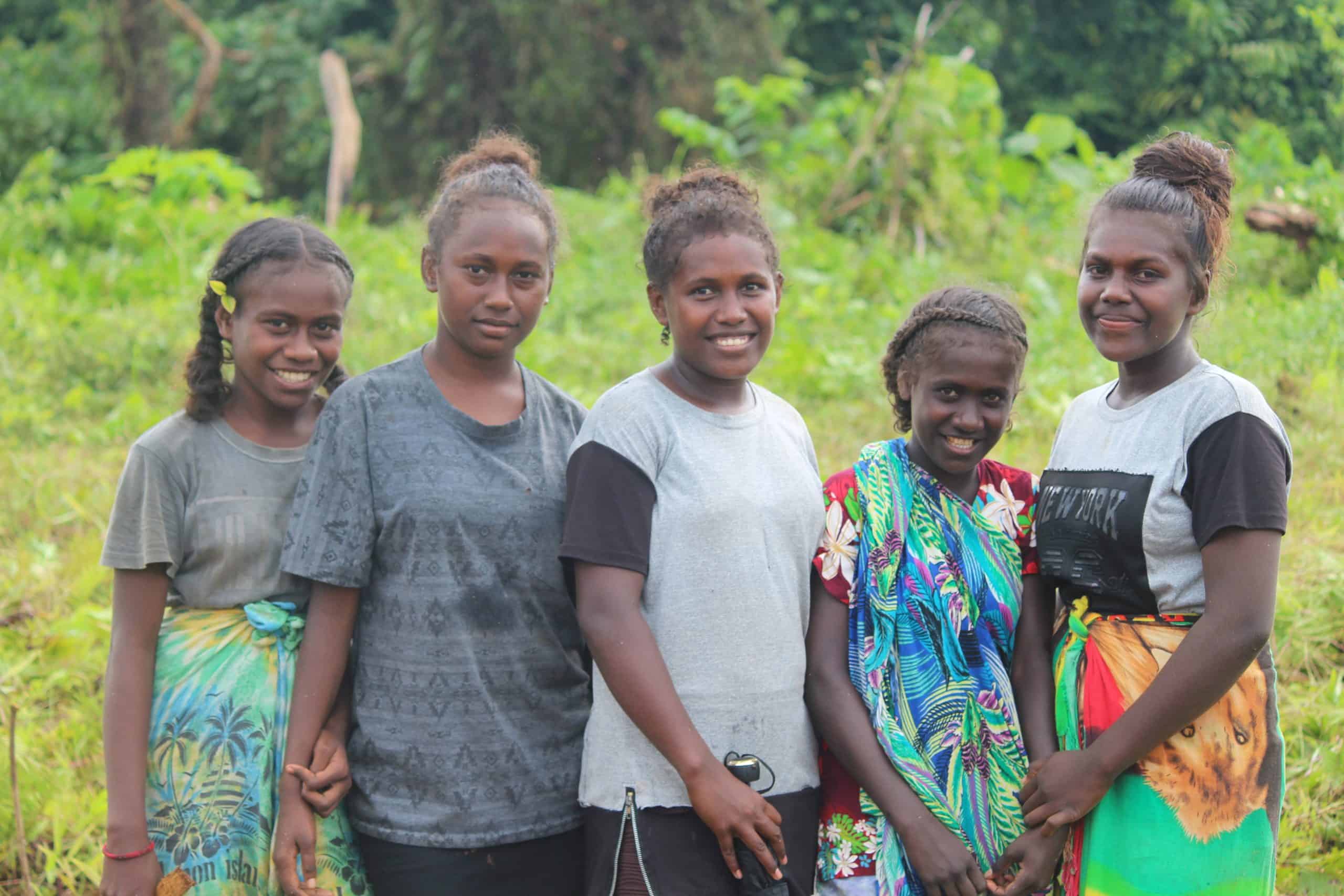
Mary’s Story: Keeping Girls in School in the Solomon Islands
At age 15, Mary* is the head girl at her boarding school in the Solomon Islands. Her dream is to become a nurse, but for years, something as simple as going to the toilet stood in the way of her education.
“We could only go to the toilet when it was dark in the evening or at 5 a.m. before the sun rises,” Mary recalls.
“The dry pit toilet near our dormitory is very old and has no walls—just bushes. It’s not safe for us girls, so we usually go in groups.”
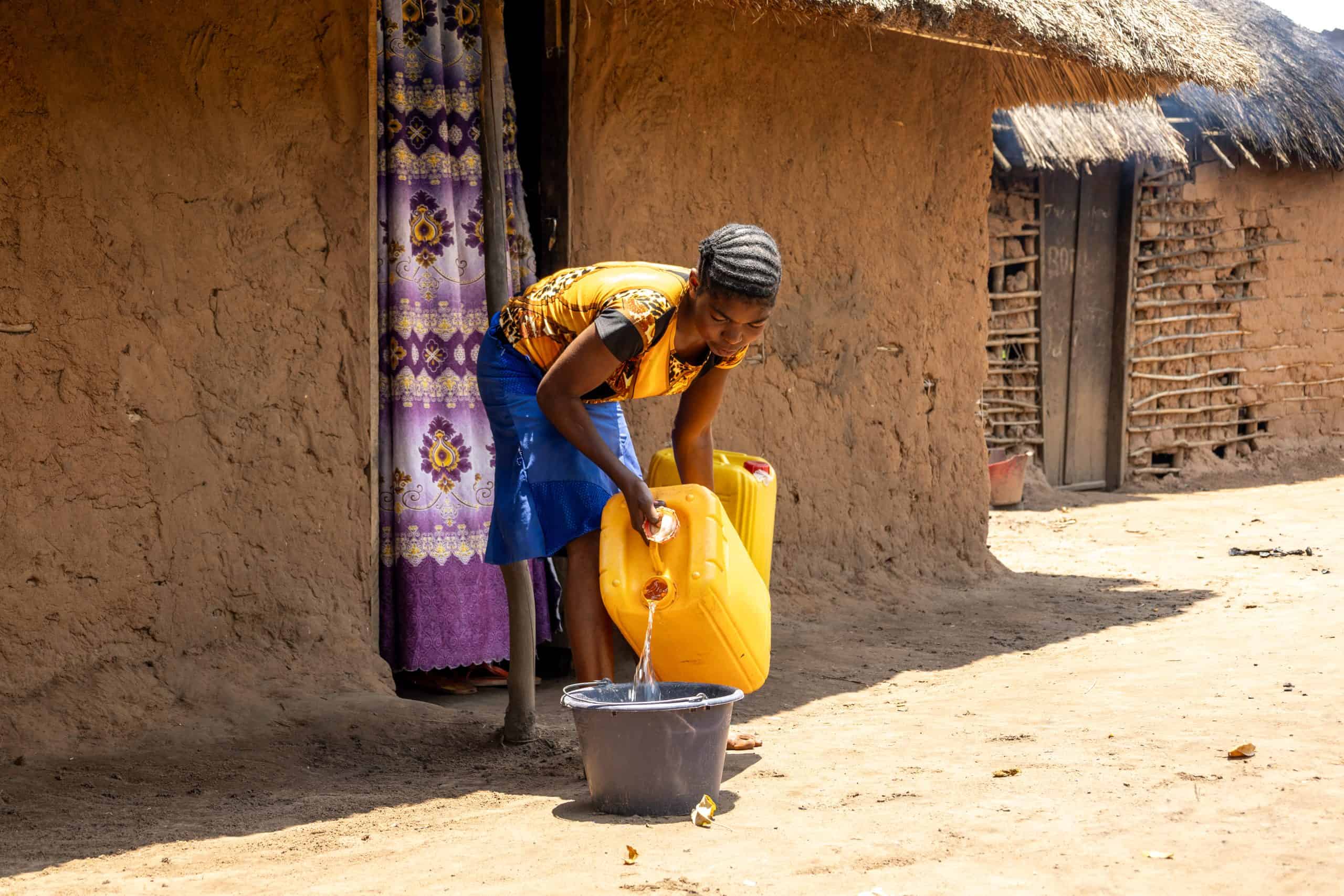
With only one open pit toilet and limited access to water, girls like Mary spent hours each day fetching water from a stream 1.5 kilometers away. During menstruation, many skipped school altogether due to a lack of privacy and sanitation.
Through the “Turn on the Tap Project”, ADRA provided Mary’s school with two 5,000-liter water tanks, new toilet blocks for boys and girls, and handwashing stations. These simple changes have completely transformed daily life.
“We can now fetch water close by without walking kilometers,” says Mary.
“Now, we can go to class on time! I’m happy and appreciate that ADRA sees our need.”
A Call to Action
Every person deserves access to a toilet that is clean, private, and safe. On this World Toilet Day, ADRA reaffirms its commitment to building sanitation systems that are resilient, inclusive, and sustainable so that girls like Mary can pursue their dreams without fear or shame.
Together, we can build a future where sanitation is accessible to all and every community is ready for the challenges of a changing world.
*Name changed for privacy