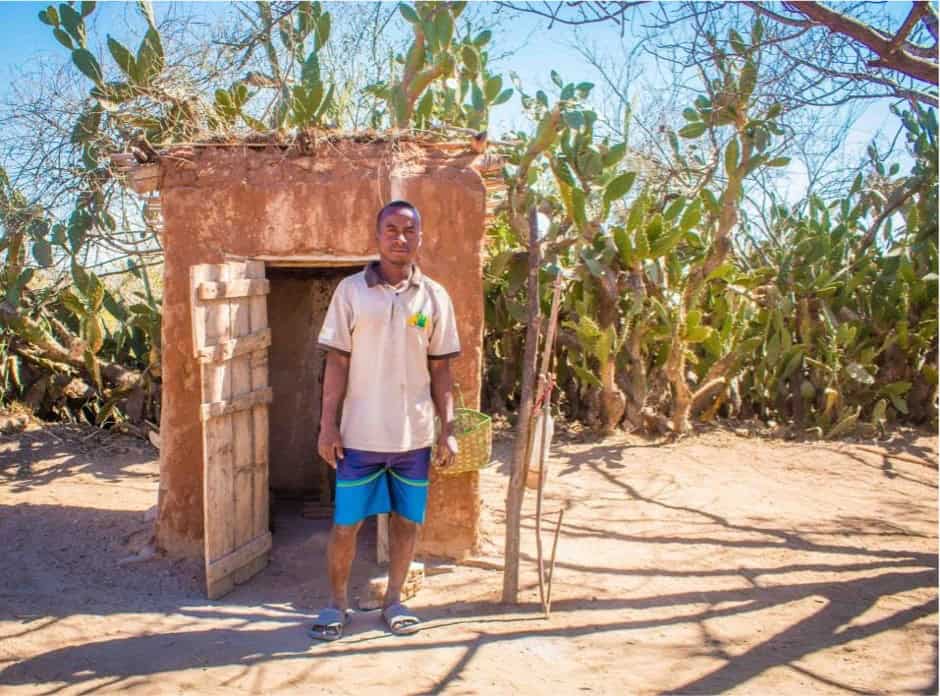
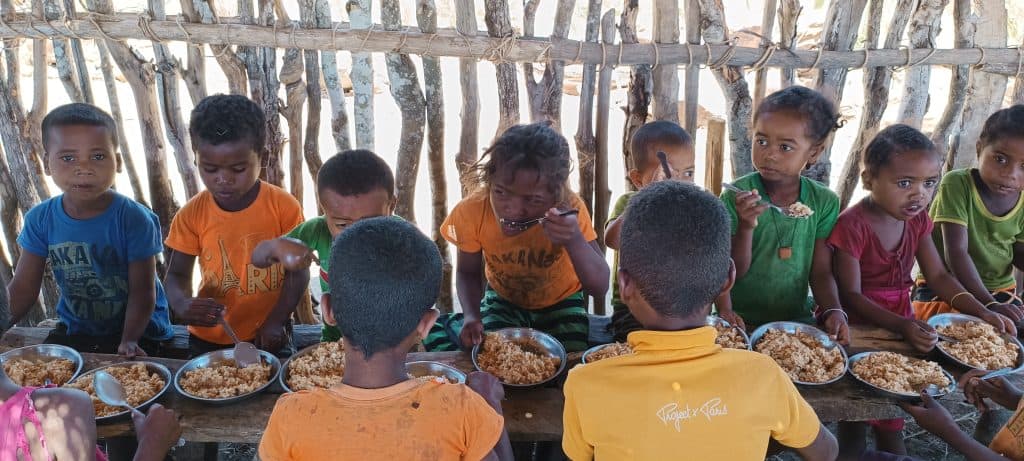
Changing long-held beliefs in the community of Mandahazo, in the Commune of Lazarivo, was not easy. Many people believed that latrines were connected to evil spirits that could harm children, making open defecation a common practice.
“Convincing people to use a latrine has been very difficult. When people were asked why they defecated in the open air, they told us that keeping feces between four walls was taboo and was attracting the devil,” says Lambo Jean Mahafetsy, Community Health Agent.
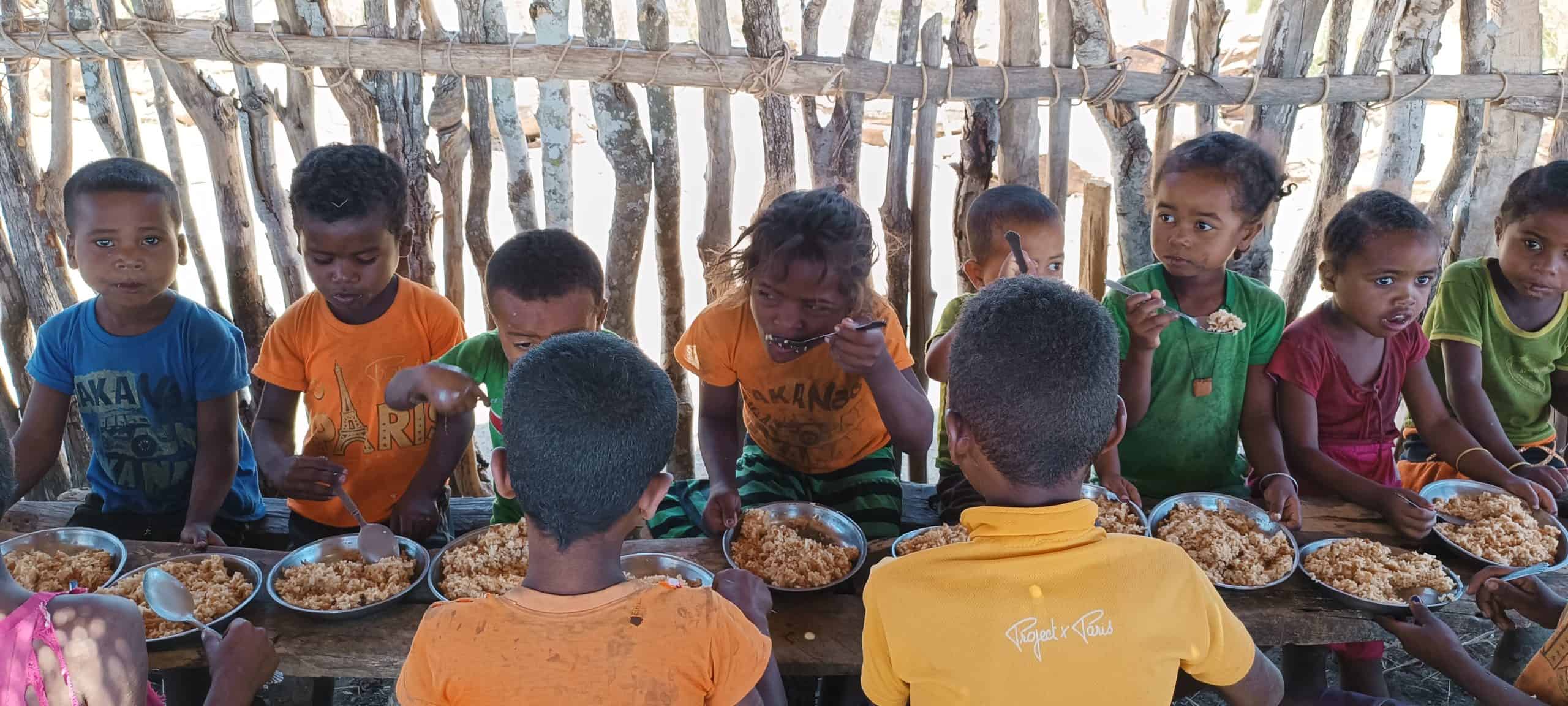
Before the ASOTRY project, diarrhea-related deaths were common. “Before, the village was very dirty. In many spots of the village, there was always a risk of walking on feces. Yet the water we drank was not far from the area where we defecated. That is why so many children died of diarrhea,” says Jean Rabemananjara, in charge of hygiene.
To address this, the ASOTRY project, through Action Intercoopération Madagascar (AIM), introduced sanitation and hygiene activities, including Community-Led Total Sanitation (CLTS).
Project teams worked closely with the community to raise awareness about the dangers of open defecation. “We take them to the areas where they defecate, and then we ask them if they would like to eat next to the place, and they start to be disgusted. Then we explain that flies carry microbes from their feces to their food, which is the source of the diseases such as diarrhea that killed their children… this is how we convinced them,” explained Lambo Jean.
Over time, attitudes began to change. Families started building latrines and cleaning up open defecation areas, some of which were later turned into cassava fields.
“Some projects had already built some latrines, but no one had used them. It was ASOTRY who convinced us to give up our bad practice… Diseases are starting to decrease, “says Lamboharimana Gilbert, another Community Health Agent.
Building latrines was not always easy. “We encountered some difficulties during the construction of the latrines, because we live on rocky land. Sometimes, we dig only 50cm, and we hit a rock. But it did not discourage us. Finally, our village has today about 40 latrines in total,” says Lamboharimana Gilbert.