All Posts

Thailand: ADRA’s Mission to Keep Girls Safe

More than a year ago, a bright-eyed and slender nine-year-old girl named Malee* was offered refuge at Keep Girls Safe (KGS), a shelter in the rural district of Chiang Rai, run by ADRA in Thailand. “Her mom didn’t want her and local villagers couldn’t keep her,” said Sunita, KGS project
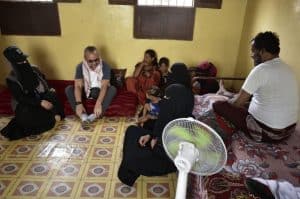
Yemen: How ADRA’s Assistance lets Children Be Children

Three months ago, Esa was wasting away from a lack of food. Due to nationwide instability, there was little in the small Yemeni village of Al-Noba for the one-year-old to eat. Though the rest of his family also suffered from hunger, little Esa suffered most of all. His arms were

Madagascar: No Rain, No Income

“I am scared to die from hunger,” Marie-Julina said.   “I have eight children and four grandchildren living with me,” she said. “I am responsible for their survival. We haven’t had enough to eat for eight years. We would plant, but nothing would grow.  “Some of my children have never had more than

Kenya: Penna’s Battle to Provide for Her Family

Penna sits on a fallen tree holding her head in her hands. Tears roll down her face as she shares her story:  “My children cry when they are hungry. And they are always hungry because I have so little to feed them. This drought has stolen our lives.”   A mother of

Bangladesh: ADRA’s Constant Mission to Help Gives Refugees Hope

Anwara has lived a nightmare. Her village was burned to the ground and her husband brutally murdered, forcing her to flee through the night to find safety for her children. “When the army attacked our village, they arrested all the men,” she said. “My husband was among them. “I had heard

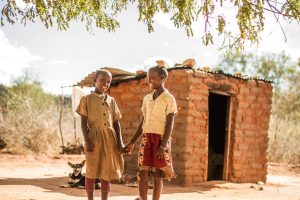
Kenya: ADRA Provides Safety and Essentials for Young Girls Over the World

It seems as if Adia and Endana have always led a difficult life. In 2013, when the sisters were only 6 and 7 years old, their mother died, and soon afterward their older brothers left to find food and work. To this day, they haven’t returned.   With a tear in her eye, Adia added, “Then the

Zambia: ADRA’s Farming Program Helps Provide Stable Lives

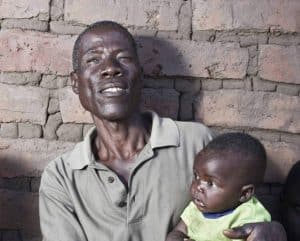
Tembwe* has 10 children and every day he has felt the pain of only being able to feed them one small meal of nshima, a dish made with maize flour, a day. Like any parent, he dreamed of a bright future for each of them—but instead, he was simply hoping they’d

Bangladesh: ADRA Responds to Refugee Crisis

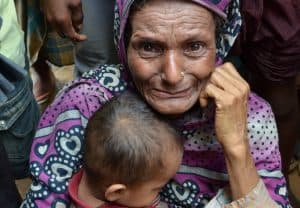
Samira and her grandson arrived in Bangladesh from the Rakhine state in Myanmar. Her four daughters were killed by militants with machetes, leaving her to flee with the young baby to save both of their lives. They are two of the more than 436,000 Rohingya who have fled to Bangladesh in just

Kenya: ADRA Helps Individuals Take Control of Their Own Lives

Nineteen-year-old Janet is the third of nine children born to peasant farmers in Kenya. Since she was seven years old, Janet dreamed of going to school so she could become a productive member of her community. She asked her parents to let her enroll, even though none of her other

Caring for the Most Vulnerable: Why Compassion Still Matters

By Paulo Lopes, President, ADRA International “Whoever is kind to the poor lends to the Lord, and he will reward them for what they have done.” — Proverbs 19:17 (NIV) In a world that often feels overwhelmed by competing crises and endless needs, I sometimes hear a particular question: Does

Building a Better World: ADRA’s Global Vision for the Year Ahead

By Paulo Lopes, President, ADRA International There’s a verse from Isaiah that has been on my mind as we step into 2026: “See, I am doing a new thing! Now it springs up; do you not perceive it?” These ancient words capture something essential about this moment for ADRA and

A Year of Hope—Because of You

As the year draws to a close, we pause to reflect on the lives changed, the communities strengthened, and the hope restored—all because of your generosity.

Gratitude Without Borders | A Thanksgiving Story

When the war reached their hometown of Novomoskovsk, Dmytro Trebushkovand his wife faced an impossible choice: stay in the home they had built with their foster children or flee with nothing but fait