Hurricane Melissa Strikes Jamaica
Hurricane Melissa struck Jamaica on October 28, 2025, as a powerful Category 5 storm with sustained winds near 185 mph, making it the strongest hurricane in the nation’s history. The storm caused widespread devastation across multiple parishes, particularly in the southwest, where homes, schools, and infrastructure were severely damaged. Official reports confirm 45 deaths, while others remain missing, and many more were displaced into emergency shelters at the onset of the emergency, as power outages and flooding compounded the crisis. Despite the destruction, Jamaica’s resilient, community-focused spirit signals hope in the face of disaster.
Rapid Deployment and Initial Coordination
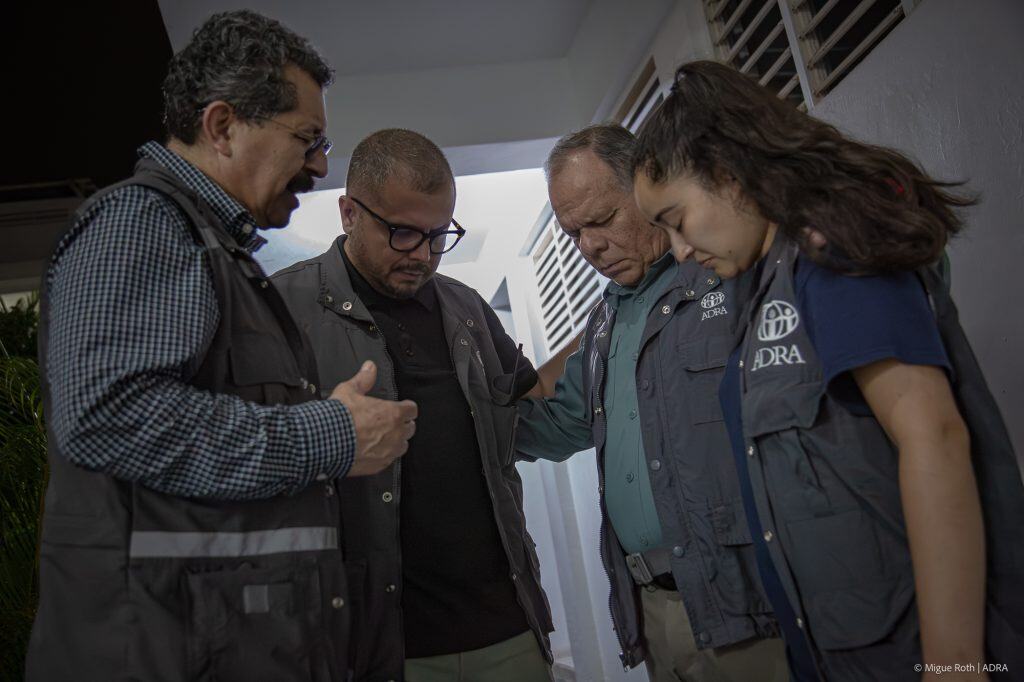
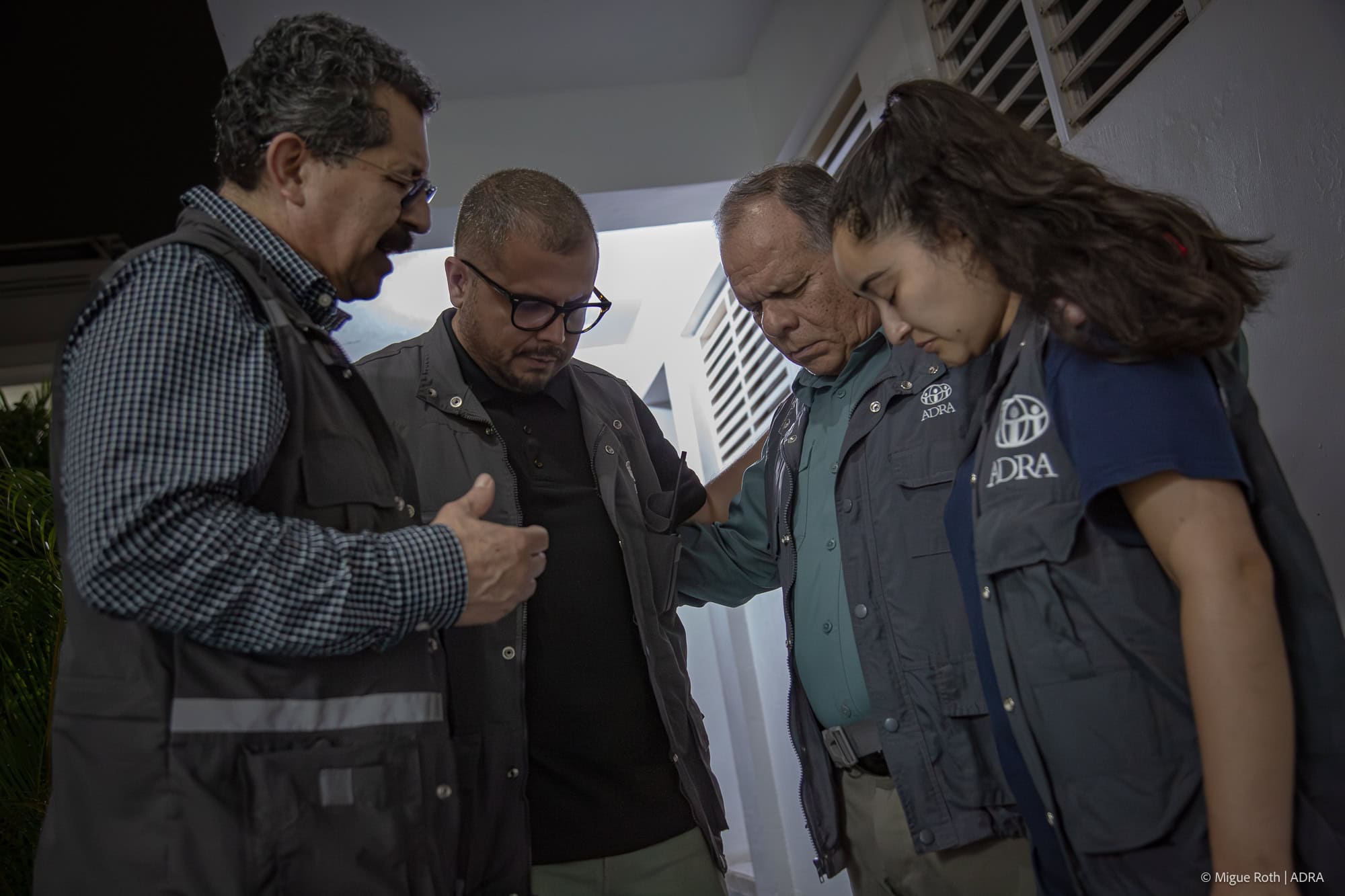
When I was deployed to Jamaica as part of ADRA’s Emergency Response Team just 72 hours after Hurricane Melissa tore through the island, the rhythm of our days quickly became a blend of planning, listening, and action. After two plane rides and nine hours of travel, I arrived in hot, humid Kingston, greeted warmly by ADRA Jamaica and ERT colleagues who were already working on response efforts. Our days consisted of planning and preparation sessions, during which we drafted agendas for the following day and refined our implementation plan for the first wave of food kit distributions and the second wave of water tanks and hygiene kits.
Community Assessments and Field Work
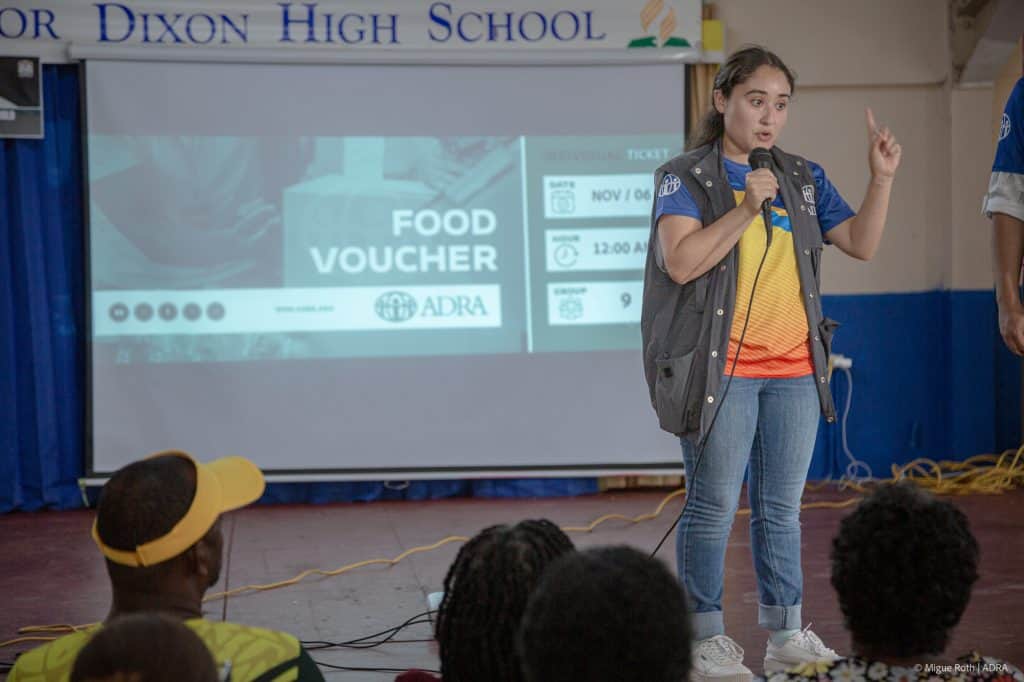
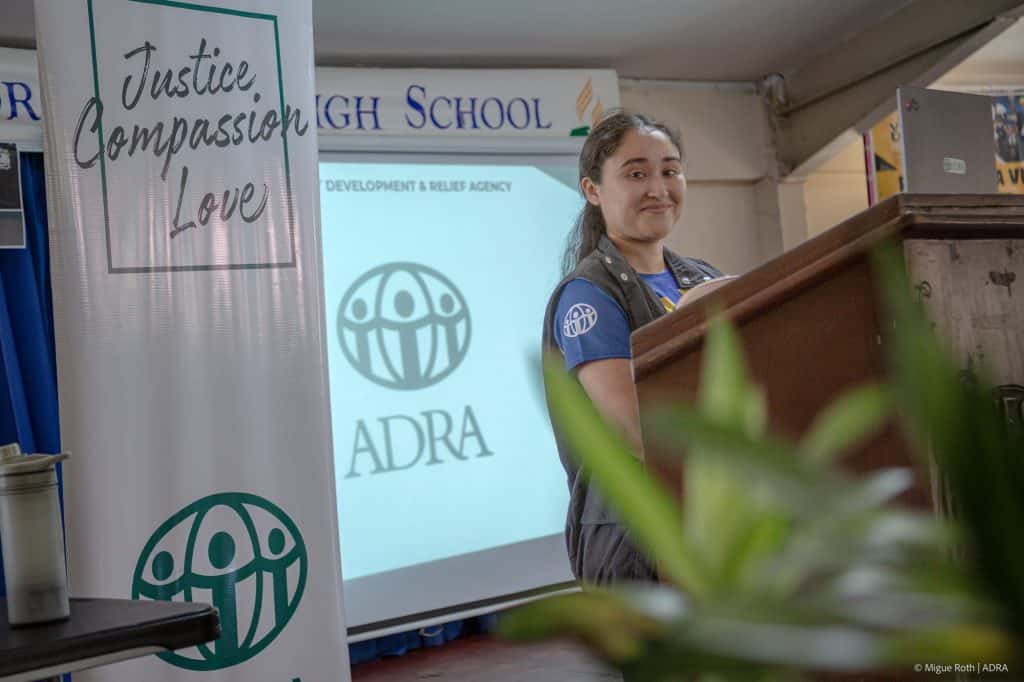
From there, much of our time was spent in the field. We visited affected communities, assessing damage and listening to men and women recount what the day of landfall had been like and what their immediate needs were, ensuring our responses aligned with those needs. We worked together as a team to identify safe and adequate distribution sites, conduct needs assessments, and provide vouchers to families for the day of distribution. Preparing presentations and training content for volunteers was another key task, ensuring they understood humanitarian principles and could carry out distributions with dignity and safety.
Distribution Operations
Distribution days were some of the most impactful. I oversaw the loading and offloading of trucks, coordinated volunteers by assigning roles and responsibilities for each stage of the distribution process, from beneficiary verification and registration to the handing out of kits, and ensured safety and quality standards were upheld. We answered beneficiaries’ questions while attentively listening to stories about how Hurricane Melissa had affected their families, offering words of hope and compassion in those moments.
Coordination With Partners and Suppliers
Beyond the direct response, we participated in NGO and government cluster and sectoral meetings to ensure proper coordination between ADRA and other agencies. Communication with vendors and suppliers was constant, including checking the availability of goods, confirming delivery timelines, and troubleshooting delays so the response could remain on track.
Balancing Logistics and Human Connection
Day to day, the work was rigorous but deeply purposeful, balancing logistics and planning with human connection and ensuring that every truck unloaded, every kit distributed, and every meeting attended contributed to a response that was both efficient and compassionate.
Witnessing the Impact on Communities
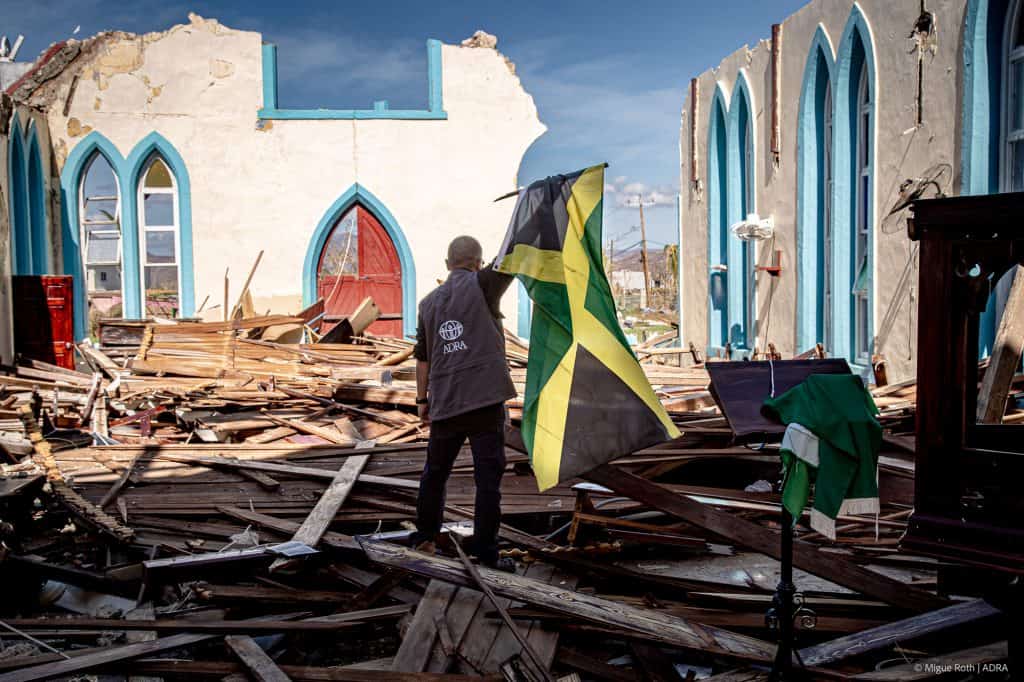
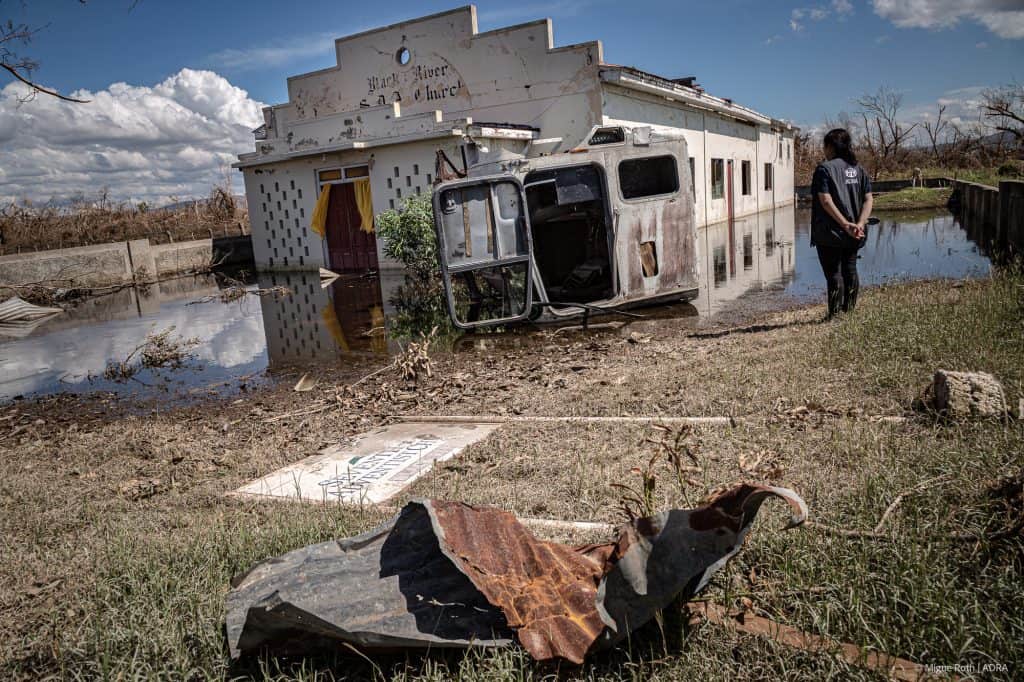
Walking through affected communities after Hurricane Melissa, the scale of destruction was evident. Many homes and businesses lay in rubble, and everywhere we turned, roofs were either partially torn away or completely gone, with some families using temporary bright blue tarpaulins stretched across frames as makeshift protection. Debris covered roads and fields, while trees stood either uprooted or dried out from saltwater rains, clear reminders of the storm’s force. Under the beaming sun, however, we were met with smiling faces. Community members waved with gratitude and helped one another rebuild walls and patch roofs, showing resilience in the midst of loss. Damaged water tanks lay scattered, some blown far from the homes they once served, yet livestock such as cows, goats, and chickens had been recovered and grazed across barren fields, offering a small sign of continuity.
Resilience and Determination
What stood out most strongly was the spirit of the people. Community members supported one another, shared what they had, and carried themselves with strength and hope for a better tomorrow. Even amid devastation, there was a quiet determination and a collective belief that recovery was possible, and that together they would rebuild not only their homes but their lives as well.
Partners, Volunteers, and the People We Served
During my time in Jamaica after Hurricane Melissa, the people we spoke with and worked alongside shaped every part of the response. Days began with the ADRA Jamaica team and my fellow Emergency Response Team members as we planned strategies and shared responsibilities to keep operations moving. In the field, we met with community and church leaders who served as anchors in their neighborhoods, guiding us to the most vulnerable families and helping rally local support. Local authorities were also critical partners, ensuring activities aligned with official guidance and that aid was delivered safely to those who needed it most.
I was inspired by the Adventist youth volunteers, energetic, compassionate, and eager to serve, who brought both strength and hope to distribution days. Most impactful of all were the beneficiaries themselves, families who had lost homes and livelihoods yet greeted us with gratitude, shared their stories of survival, and demonstrated resilience in the face of devastation. Speaking with them reminded us that our work was not just about logistics and supplies, but about listening, standing in solidarity, and helping communities reclaim hope.