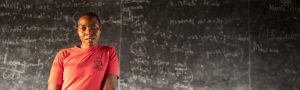
Democratic Republic of Congo: ADRA Assists Refugee Who Cannot Receive a Education
Venancia doesn’t know when the violence began.
Venancia doesn’t know when the violence began.
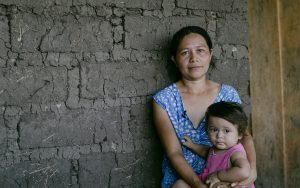
A dry spell in the place of a rainy season is rarely good for the farmers and communities who depend on agriculture for their food and livelihoods.
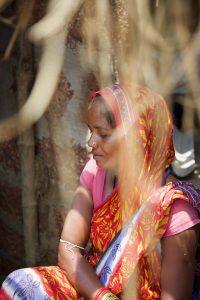
When Cyclone Fani tore through the village of Danapada in India, Manju knew her home and family wouldn’t be safe. She sent her children to stay with relatives and took shelter with her neighbors until she was able to return to her house.
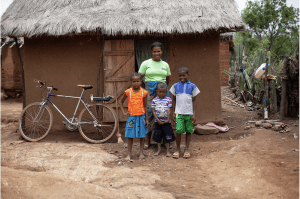
Before 2015, Emilienne was always frowning. The mother of four in Madagascar had good reason: her husband had left her, her children were hungry, and she could not afford any school fees.
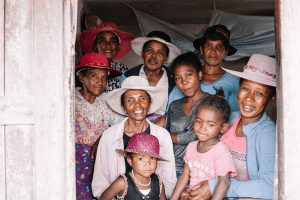
A mother is not just a noun. As a verb, to mother can mean many things: to love, to teach, to provide, to heal, to listen, to sacrifice, to inspire. The list goes on.
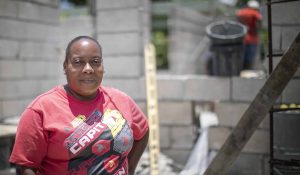
Glorimar recalls the horrors of Hurricane Maria like it was yesterday. The powerful storm all but destroyed her community in Puerto Rico—the place she’d called home her entire life
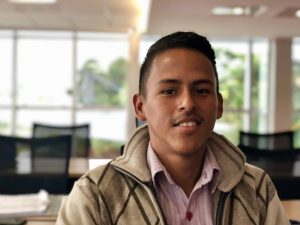
Carlos is truly a renaissance man. In his native Venezuela, Carlos studied and graduated from university with a degree in communication, worked as a tailor, volunteered as a sign language interpreter, and formed part of a cultural dance group
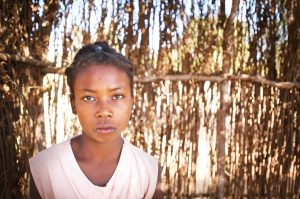
In Madagascar, It hasn’t rained for almost two years, the earth is packed hard, and only the occasional cactus breaks the horrific sea of brown—and even they are starting to wither from the lack of rain.

When the magnitude 7.5 earthquake hit Indonesia on September 28, Asdar was unprepared. He had just returned from work for lunch at his home in Petobo, a small northern village when the first tremors struck.
Mrs. Juana Zelaya is a 57-year-old mother and wife who lives in the community of Las Casitas, 89 kilometers from the capital of Hondura
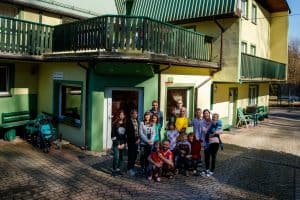
When the war reached their hometown of Novomoskovsk, Dmytro Trebushkovand his wife faced an impossible choice: stay in the home they had built with their foster children or flee with nothing but fait
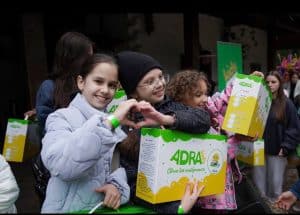
In today’s world, the line between natural and man-made crises is increasingly blurred — and the consequences are deeply personal.
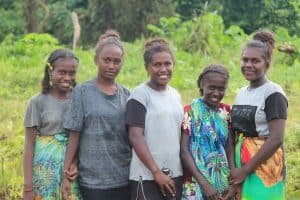
Every person deserves the dignity of a safe toilet. Yet, in 2025, nearly half the world’s population still lives without one.
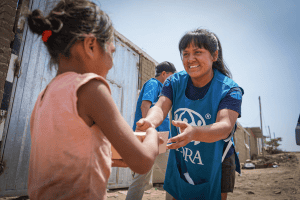
It is wonderful to connect about something so close to our hearts: the mission of the Seventh-day Adventist Church.
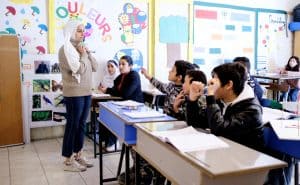
In classrooms across Baalbek and Mount Lebanon, children who have fled war and hardship sit side by side with their Lebanese peers, opening books, reciting lessons, and rediscovering what it means to dream again. Behind every one of those hopeful faces stands a teacher — a steady, compassionate guide shaping futures even in the most uncertain times.
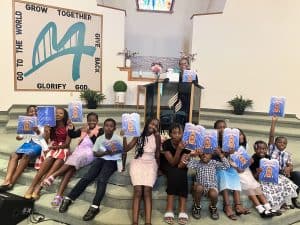
On the third Sabbath of every month, Terrina Williams tells the Children’s Story at Meadowbridge Seventh-day Adventist Church in Mechanicsville, Virginia. This year, Sabbath, June 21st, happened to be a special day—World Refugee Day.
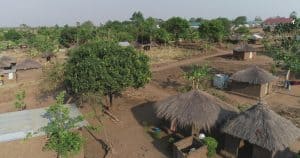
With the sun blazing on the tin roof, I heard her tell about how she fled for her life. In the refugee settlement she came to, she saw no other options than to sell her body.
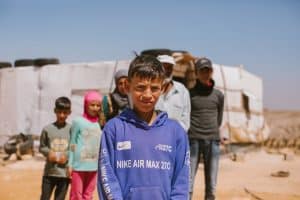
Across the world, millions of children are preparing to return to school—some carrying brand-new backpacks and pencils, others simply carrying the hope of a better future. At ADRA, we believe that education changes everything.
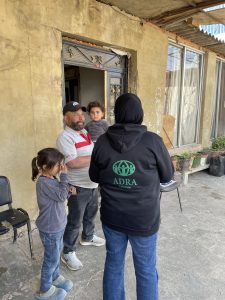
In the Middle East, where winter’s chill bites deeper for those who are displaced or living in poverty, one father’s quiet determination tells a powerful story about love, dignity, and survival
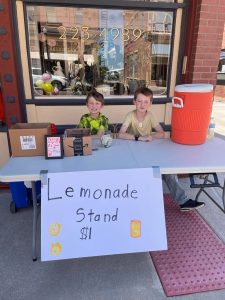
Each year, Shelly Bradley’s Sabbath School class would flip through ADRA’s Gift Catalog, choosing a project to fund by Christmas.