How ADRA is Feeding Families During a Global Pandemic
Food insecurity in 2020 is being called a “crisis within a crisis,” as the number of food insecure people worldwide is projected to double due to COVID-19. That means that by the end of this year, 260 million people will be food insecure, not knowing where their next meal is coming from.
That’s why ADRA launched our Giving Tuesday campaign to feed hungry families. Every dollar given to the campaign is tripled to support ADRA’s food projects, which means triple the food and triple the impact
ADRA has been responding to food insecurity caused by COVID-19 since January 2020. In the past 11 months, more than six million people have been reached through ADRA’s COVID-19 response.
What does this look like?
Emergency Food Parcels
When the pandemic began, ADRA understood that country-wide shutdowns to limit spread of COVID-19 would also leave thousands of families and elderly wondering where their next meal would come from.
In Hungary, we launched a Quarantine Courier project to provide nonperishable food, cleaning supplies and toiletries to low-income people who found themselves in crisis during the country’s lockdown.
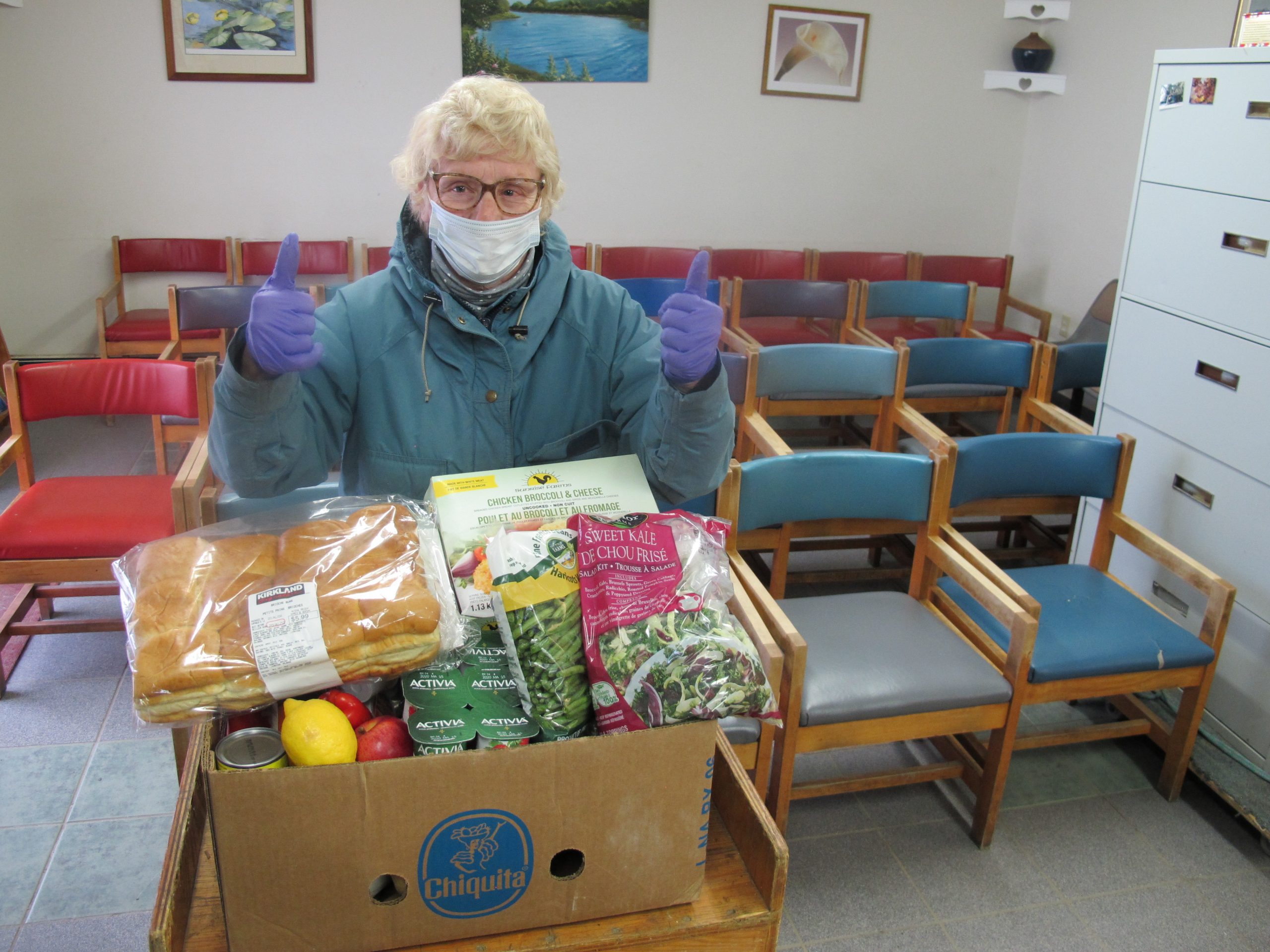
In Canada, ADRA partnered with the Seventh-day Adventist Church and Adventist Community Services of the North American Division to help local churches feed families through food distribution and food pantries.
As a second wave hits many countries in the fall and winter, we continue to coordinate food deliveries. Most recently, ADRA partnered with Seventh-day Adventist churches and other charitable organizations in the Netherlands to feed hundreds of people financially impacted by the pandemic and a new wave of shutdowns.
Food and Cash Vouchers
Another major way we have helped feed hungry families is through food and cash vouchers. These vouchers give families the flexibility to buy the food and household items they need most.
One example of ADRA’s food voucher program is in Haiti, where, since March, a state of emergency has been declared three times limiting travel and closing schools, churches, factories, and airports. While these closures help prevent the spread of the virus, they had a crippling effect in communities that live on less than $2 a day. ADRA implemented a money transfer to 2,600 households, and estimated 13,000 individuals benefited from food vouchers distributed by ADRA.
In Kenya, ADRA helped homes with disabled individuals. Persons with disabilities faced immense barriers as businesses shut down all over the country and in accessing government services and relief assistance. ADRA met with affected households and, amongst other aid, provided cash transfers that helped families buy food and other needed household items.
Food Pantries in the US
The Association of American Medical Colleges recently reported that 54 million people in America are facing food insecurity during the pandemic. Pantries all over the United States reported an overwhelming amount of need, with many pantries serving up to three times more people each month.
In partnership with Adventist Community Services of the North American Division, ADRA provided funding to expand the services of more than 200 Adventist food pantries across the U.S.
Aid to food pantries was part of a larger $2.4 million COVID-19 aid package that also included PPE and medical supplies valued at $2.3 million delivered to health facilities in 10 states across the U.S.