The Adventist Development and Relief Agency (ADRA) is responding to the growing Ebola Bundibugyo Disease crisis affecting parts of the Democratic Republic of Congo (DRC) and neighboring Uganda through prevention, hygiene support, and community education efforts aimed at slowing the spread of the deadly virus.
According to regional reports, 121 Ebola cases have been confirmed, including 18* deaths. Health officials warn that delayed detection of the outbreak has complicated response efforts and increased the risk of wider transmission. Currently there is no vaccine for this strain of the deadly virus.
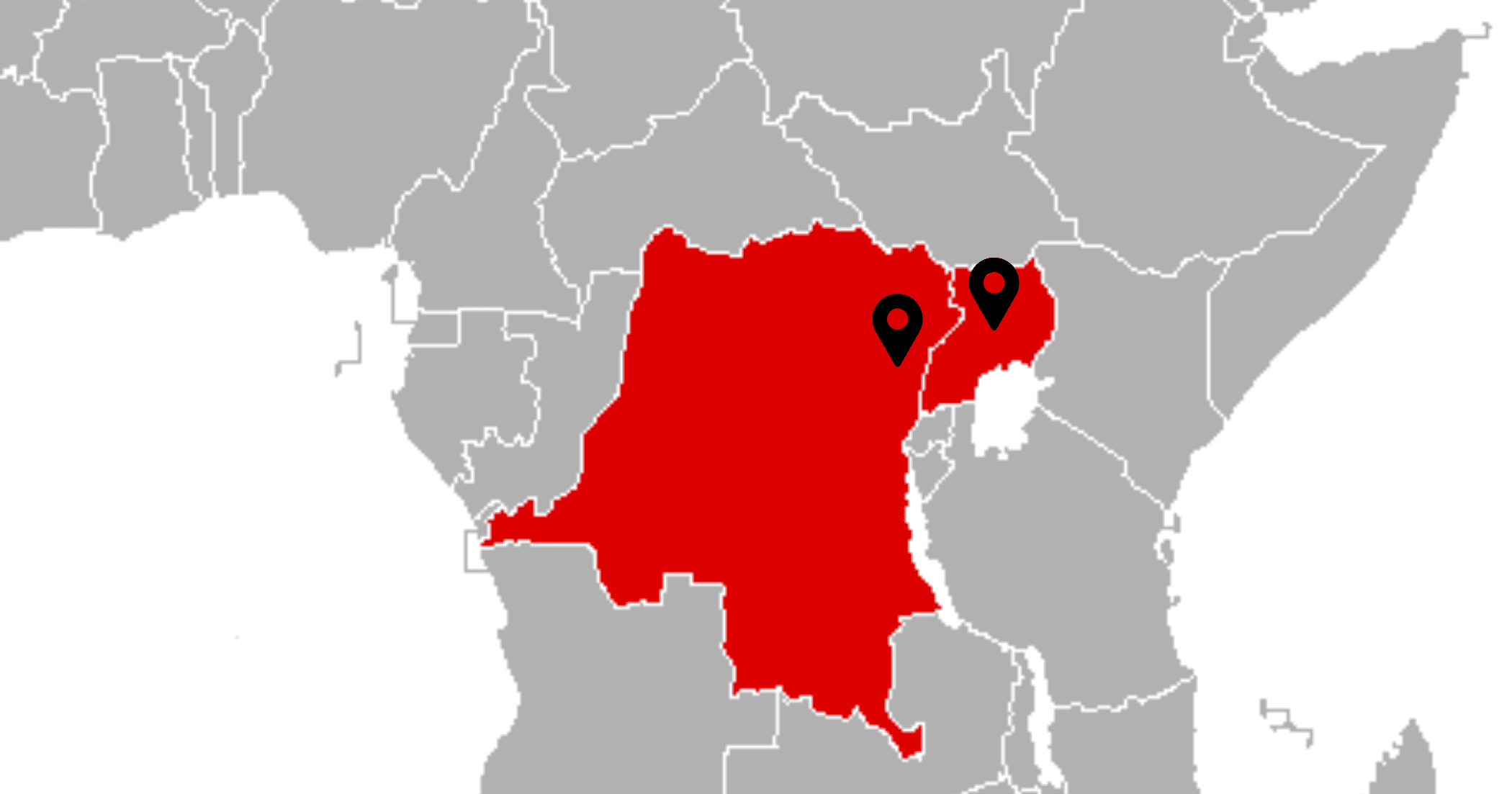
In DRC, the city of Bunia has been identified as the epicenter of the outbreak. North Kivu remains on high alert while prevention activities are intensifying in South Kivu and surrounding border areas.
Ebola is a severe and often fatal disease that spreads through direct contact with the bodily fluids of infected individuals or contaminated materials. Crowded areas and places with high population movement can increase the risk of transmission. Health officials are especially concerned about places of worship, markets, internally displaced persons (IDP) sites, sanitation facilities, health centers, and entry and exit checkpoints.
ADRA’s response is focused on non-clinical support designed to help communities reduce infection risks and improve public awareness. Through its teams in DRC and Uganda, ADRA is supporting Water, Sanitation, and Hygiene (WASH) activities, prevention education, Risk Communication and Community Engagement (RCCE), and infection prevention measures in high-risk public areas.
Activities include installing handwashing stations, distributing hygiene supplies, supporting waste management and sanitation efforts, training frontline workers and volunteers, and strengthening community awareness campaigns on Ebola prevention and response.
ADRA’s teams are also working with local authorities, health partners, faith leaders, and communities to ensure accurate information reaches vulnerable populations and to reduce fear, misinformation, and stigma surrounding the outbreak. ADRA is also participating in the regional Ebola coordination mechanism co-chaired by the United Nations Office for the Coordination of Humanitarian Affairs (UNOCHA) and the World Health Organization (WHO), helping align response efforts and information sharing across affected countries.
“Community trust and early prevention are essential in responding to outbreaks like Ebola,” said Hannah Ndungu, Emergency Management Director for the ADRA Africa Regional Office. “ADRA is committed to supporting communities with practical prevention measures, clear information, and compassionate engagement to help protect lives and slow the spread of the disease.”
ADRA emphasized that its role remains non-clinical and focused on community-based prevention, hygiene promotion, and coordination with local health authorities and humanitarian partners.
As the situation continues to evolve, ADRA is preparing to scale activities in affected and at-risk regions while prioritizing staff safety, community safeguarding, and coordinated response efforts.
*As of May 29, 2026