All Posts

Boy with blond hair, sitting on steps in a red zip-up sweatshirt. He is sad.

ADRA Hosts Mental Health Webinar: “Let’s Talk Mental Health: How Can I Help My Child.”

“Nearly 20%—that’s one in five children— ages 3-17 in the U.S. have a mental, developmental, or behavioral disorder, like ADHD, anxiety, behavior issues, or depression,” says ADRA International’s Mental Health Specialist, Weanne Estrada-Magbunua, MPH, during the upcoming “Let’s Talk Mental Health: How Can I Help My Child” webinar.   To start conversations

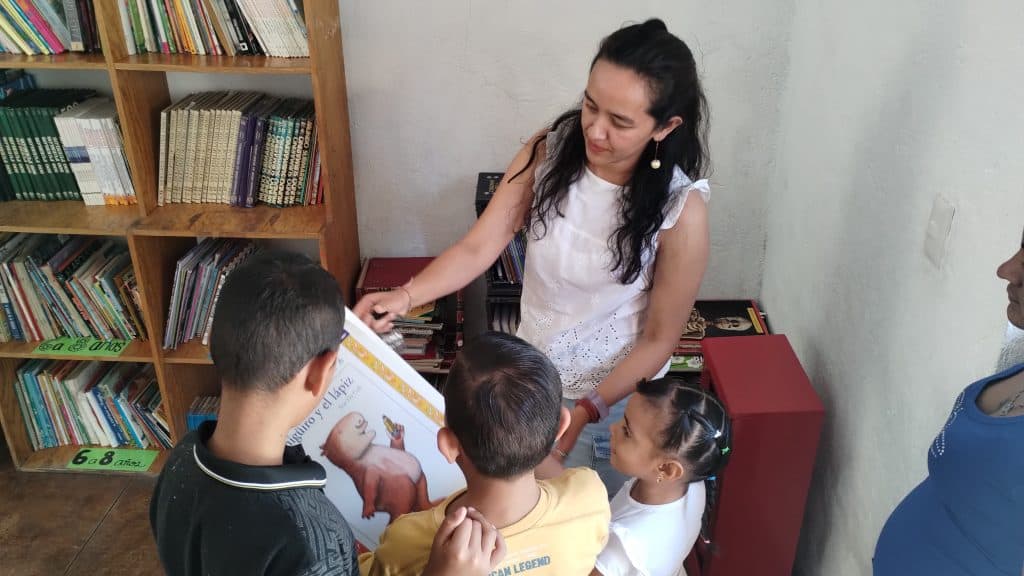
In El Salvador, a group of people are at a table, learning to read and write

World Literacy Day: Reaffirming ADRA’s Commitment to Education

As we stop to recognize World Literacy Day on September 8,  the Adventist Development and Relief Agency (ADRA) continues to reaffirm its commitment to literacy as a foundational tool for achieving equality, individual empowerment and sustainable development. Michael Kruger, president of ADRA International, emphasizes the importance of literacy in ADRA’s

Caring for the Most Vulnerable: Why Compassion Still Matters

By Paulo Lopes, President, ADRA International “Whoever is kind to the poor lends to the Lord, and he will reward them for what they have done.” — Proverbs 19:17 (NIV) In a world that often feels overwhelmed by competing crises and endless needs, I sometimes hear a particular question: Does

Building a Better World: ADRA’s Global Vision for the Year Ahead

By Paulo Lopes, President, ADRA International There’s a verse from Isaiah that has been on my mind as we step into 2026: “See, I am doing a new thing! Now it springs up; do you not perceive it?” These ancient words capture something essential about this moment for ADRA and

A Year of Hope—Because of You

As the year draws to a close, we pause to reflect on the lives changed, the communities strengthened, and the hope restored—all because of your generosity.

Gratitude Without Borders | A Thanksgiving Story

When the war reached their hometown of Novomoskovsk, Dmytro Trebushkovand his wife faced an impossible choice: stay in the home they had built with their foster children or flee with nothing but fait