Some of the most important work in the world never gets photographed. It doesn’t rush into a burning building or hold a line under fire. It moves slower than that, in rooms most of us will never enter, and it takes more to sustain than it does to begin.
It is the courage to care, again and again, for people whose suffering is far from home. The courage to stay when the need is relentless and the resources feel inadequate. The courage to choose proximity over comfort, and faithfulness over ease.
Every year on August 19, the world observes World Humanitarian Day, a day set aside to honor the men and women who carry out humanitarian work in some of the hardest places on earth. It is a day I have come to value more with each passing year, and it gives me a reason to say something I do not say nearly often enough.
Thank you.
To the People Who Show Up
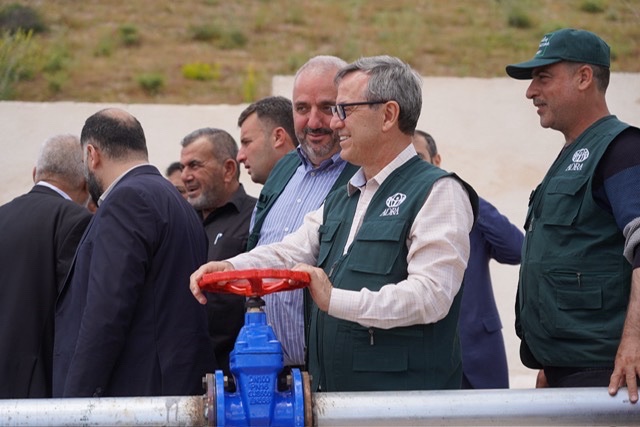
Every day, across dozens of countries, ADRA staff and volunteers are doing work that most people will never see.
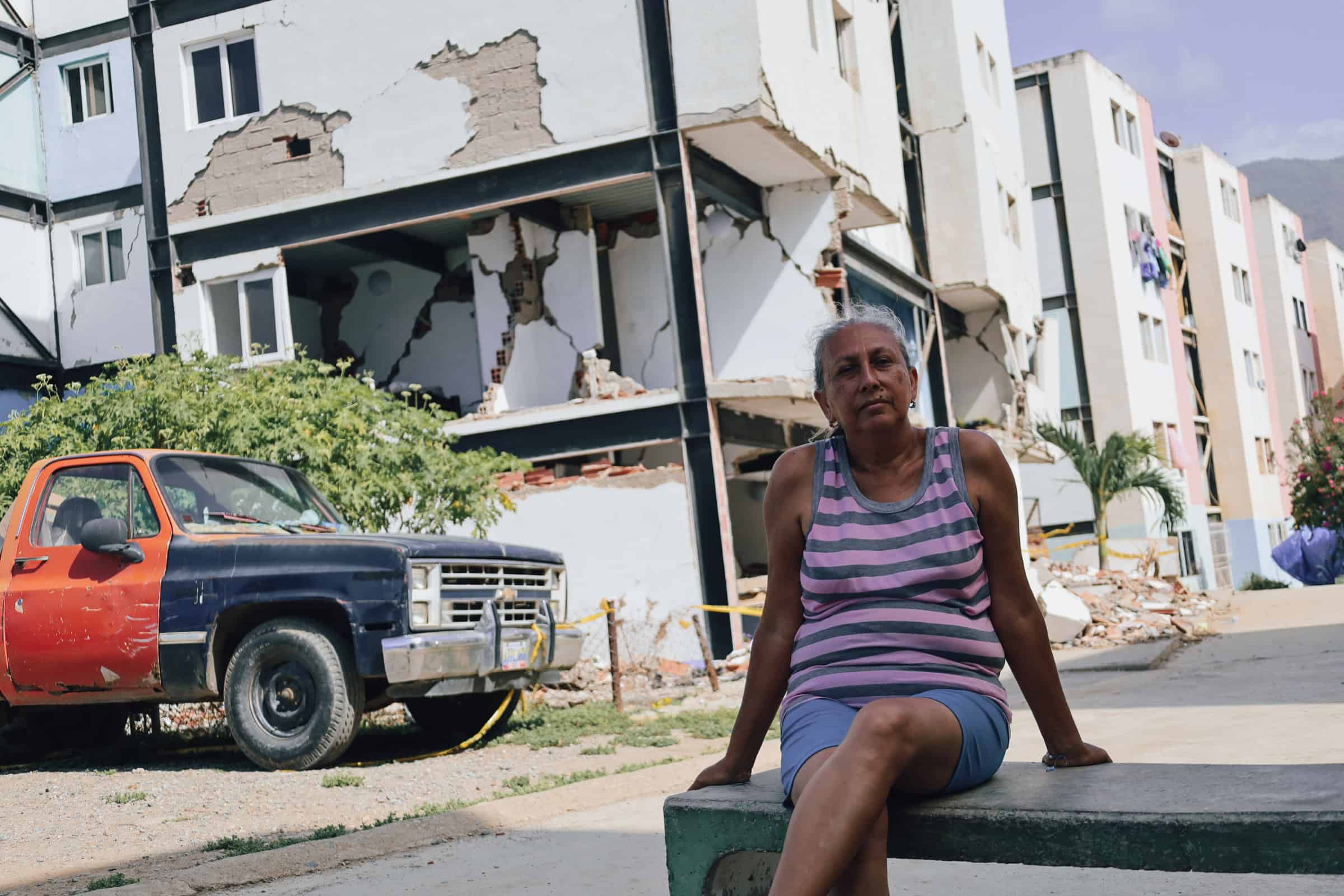
They are distributing food in communities still recovering from floods that have already faded from the news cycle. They are sitting with families in displacement camps, listening to stories that carry a weight no person should have to carry alone. They are teachers helping children reclaim years of lost education, community health workers traveling to remote villages, logisticians, coordinators, translators, and trainers.

And in many cases, they are neighbors to the people they serve; members of the very communities they are helping to rebuild. That matters deeply. The people closest to a crisis understand it better than anyone arriving from the outside. Empowering, trusting, resourcing, and standing behind those being served is not just good practice. It is what respect looks like in action.
Some of them work in places where the word “dangerous” is not a figure of speech. They know the risks. They go anyway.
That is moral courage. Not the absence of fear, but the refusal to let fear be the deciding factor.

What Sustains Them
I have had the privilege of standing alongside many of these men and women, in countries worldwide, in villages and disaster zones, and in the quiet moments between the demands of the work.
What I find, consistently, is that adrenaline fades and ideology only carries a person so far. What holds them in place is a sense of calling, a conviction that the work matters even when progress is slow, and a trust that they are not doing it alone. God is present in the places of greatest suffering, and showing up is one way of standing where He already is.

I have returned to Joshua 1:9 more times than I can count over the years. It was not written to people in comfortable circumstances. It was spoken into the uncertainty of a daunting mission, to a leader who had every reason to feel overwhelmed. “Be strong and courageous. Do not be afraid; do not be discouraged, for the Lord your God will be with you wherever you go.”
Wherever you go. Into the camp. Across the border. Into the community the rest of the world has stopped watching.
That promise has not expired. I have witnessed it too many times to doubt it.
Solidarity Is Not Passive
Solidarity is at the heart of humanitarian work. Solidarity is not sympathy from a distance. It is the willingness to be genuinely connected to people whose circumstances differ from our own, and to let that connection cost us something.

For those of us not in the field, solidarity looks like sustained attention, faithful giving, and prayer that refuses to grow cold when a crisis no longer trends. It looks like trusting and amplifying the voices of local leaders rather than assuming that meaningful help must always arrive from somewhere else.
The men and women doing this work are not alone. They are supported by a network of partners, donors, and intercessors who make their presence possible. That network is what transforms individual acts of courage into something larger than any one person. That is solidarity made real.
A Personal Word of Thanks
If you work for ADRA or have given your time and skills to serve communities alongside our programs anywhere in the world, you are seen. The work is heavy, and recognition is rarely proportionate to the effort. You are practicing moral courage every time you show up.
Every meal distributed, every classroom restored, every family that receives care in their most desperate moment. It matters. It is not lost, even when it feels invisible.
And to those who support this work through prayer and giving — thank you as well. Your partnership is what makes it possible for the people in the field to keep going.
On this World Humanitarian Day, may everyone who has found the courage to care know they are deeply thanked, and that this work was never meant to rest on one set of shoulders.