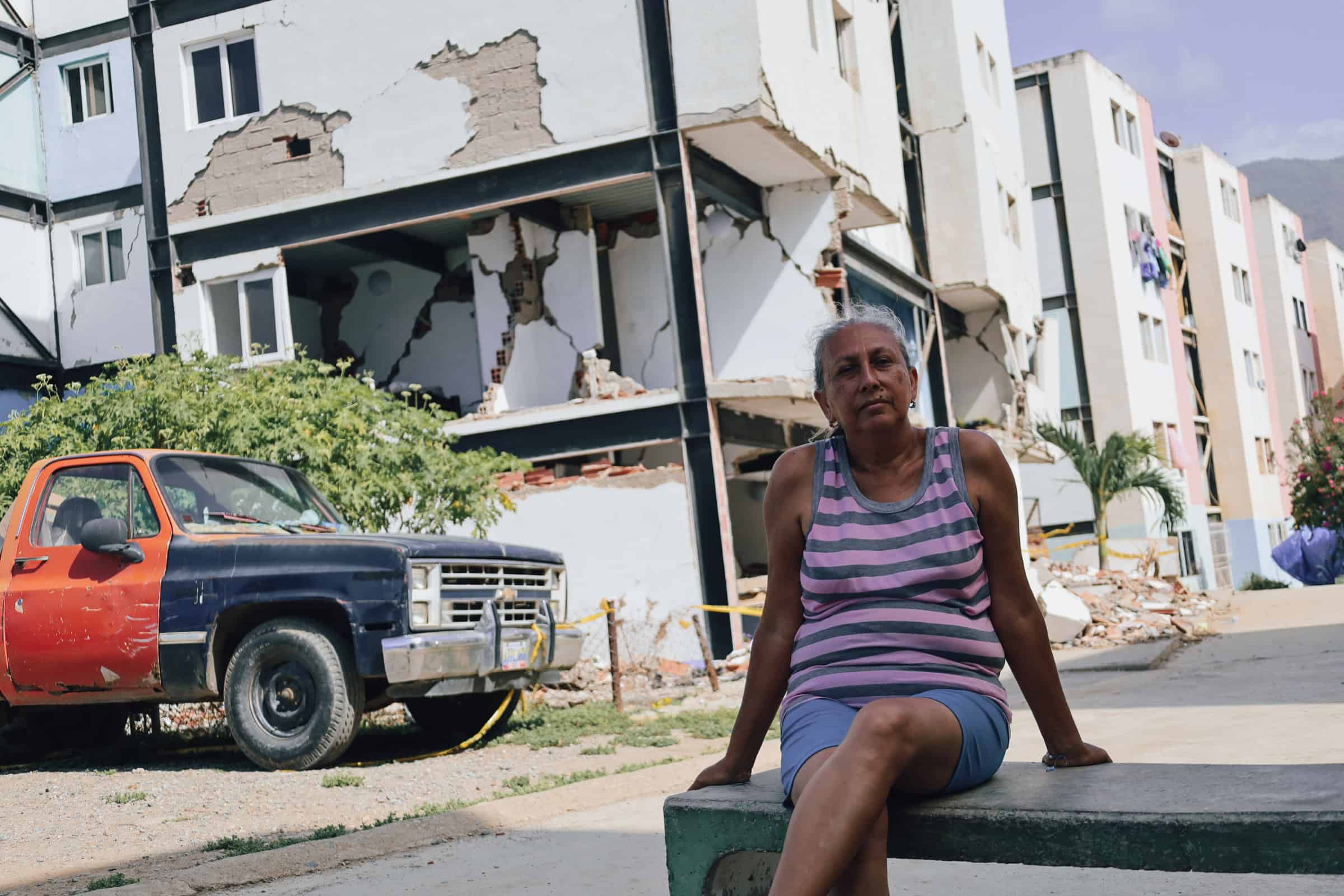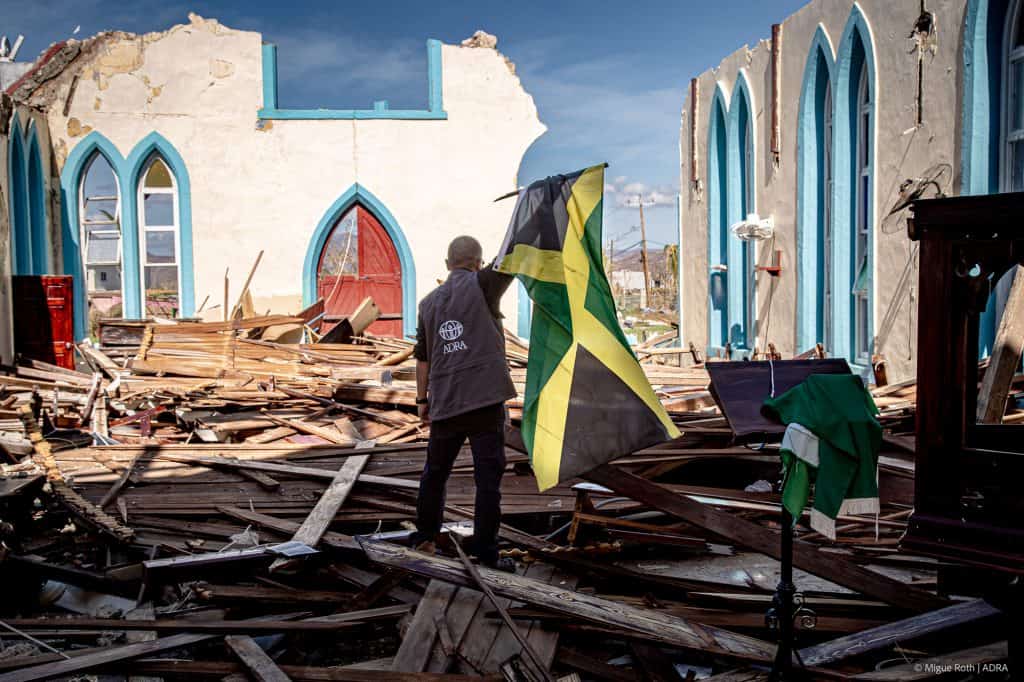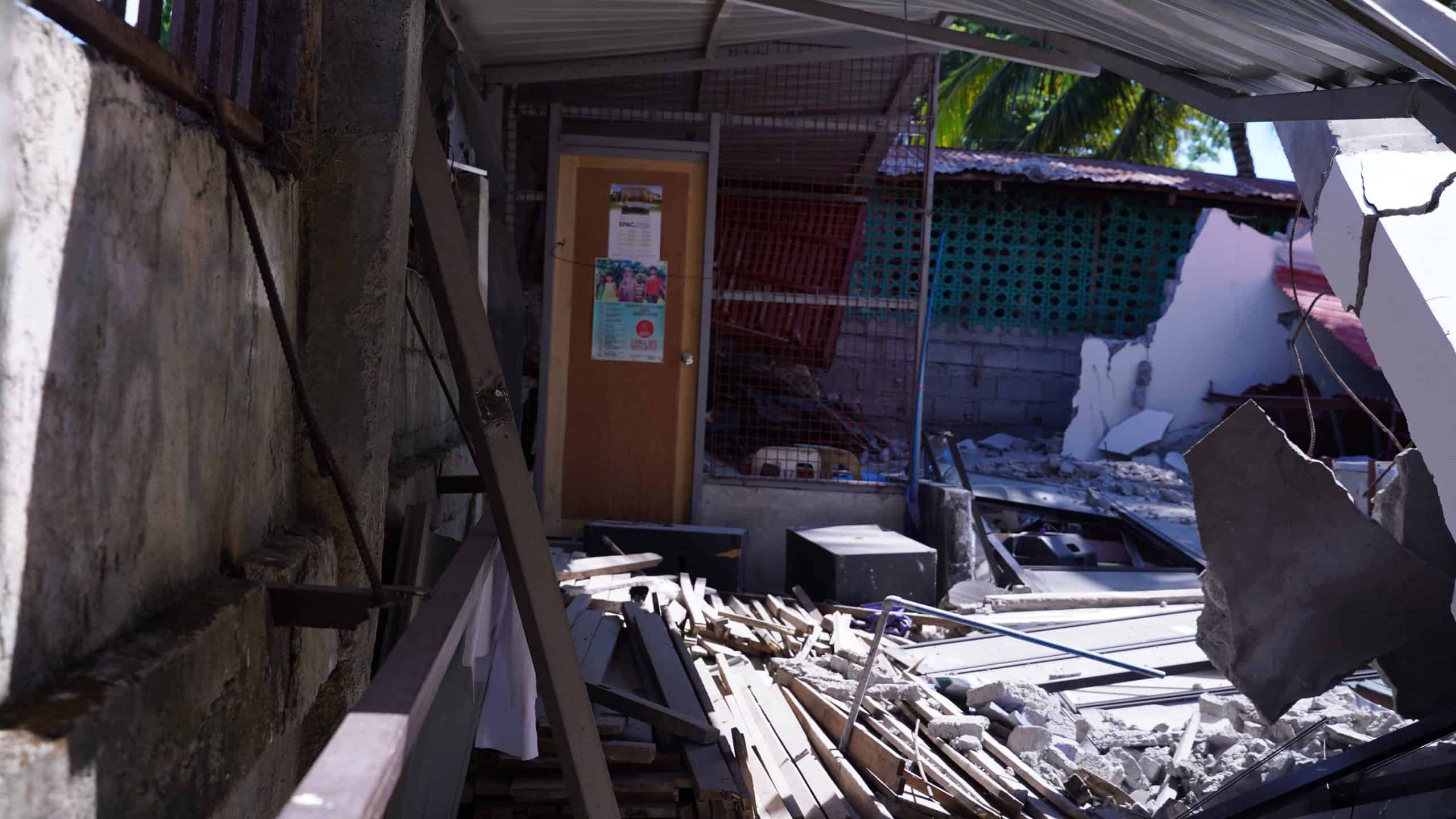
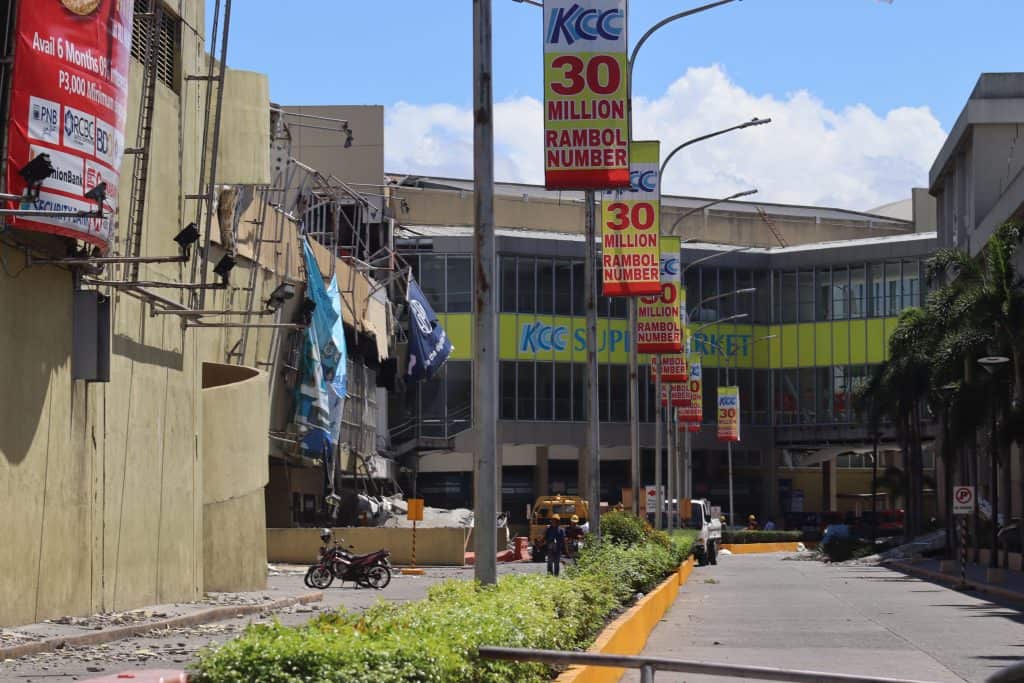
The Adventist Development and Relief Agency (ADRA) in the Philippines has activated its emergency response mechanisms following a powerful 7.8 magnitude earthquake that struck offshore near Maasim, Sarangani Province, on the morning of June 8. The quake, the strongest to hit the Philippines since 1990, caused widespread damage across Mindanao, triggered tsunami warnings, and forced thousands of residents to evacuate their homes.
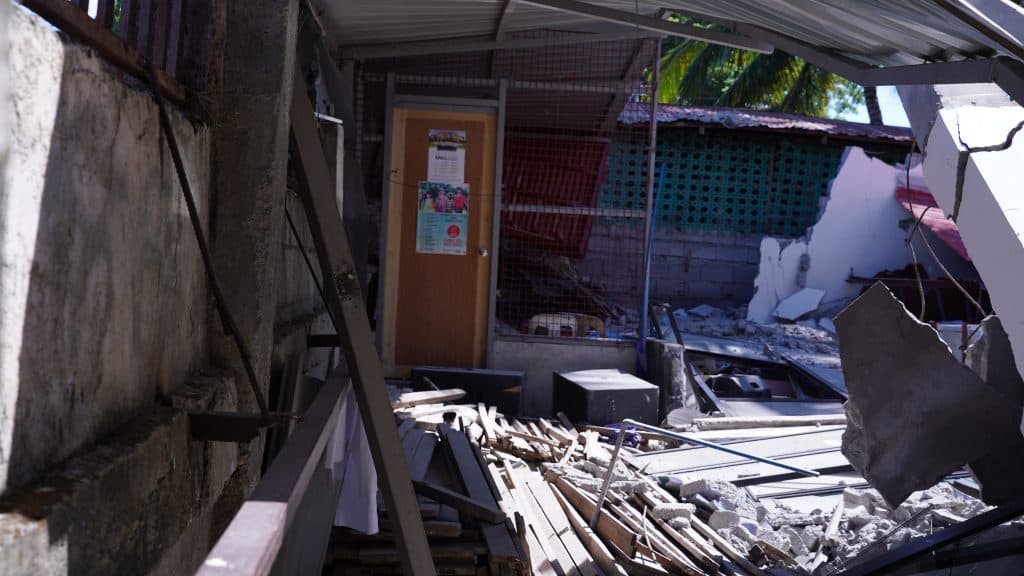
Initial reports indicate at least 36 fatalities, more than 167injuries, and 4 people missing as rescue and assessment operations continue. Roads, schools, health facilities, homes, and communication networks have been damaged across affected communities, while many families remain displaced due to ongoing aftershocks and safety concerns.
In response, ADRA Philippines’ Emergency Management Unit immediately activated emergency monitoring and coordination systems and has begun working with Adventist Community Services (ACS) volunteers, local Adventist Church leaders, and community networks to assess needs and identify the most vulnerable communities. ADRA’s Emergency Management and Advisory Committee has approved the activation of the National Emergency Management Plan and the deployment of assessment teams to affected areas.
Based on preliminary assessments, the most urgent needs include emergency shelter, food assistance, clean water, hygiene supplies, and protection support for vulnerable populations, including children, older adults, and people with disabilities. Families staying in evacuation centers are expected to require essential household items such as blankets, sleeping mats, hygiene kits, and solar lamps.
ADRA is coordinating closely with government agencies, humanitarian partners, and local authorities to support response planning. Subject to assessment findings, planned interventions may include emergency relief distributions, shelter and non-food item assistance, water, sanitation and hygiene (WASH) support, and cash assistance. ADRA Philippines is also integrating Psychological First Aid interventions to provide immediate psychosocial support to individuals and families impacted by the disaster.
Local church volunteers trained through ADRA’s Disaster Ready Church initiative are also helping support information sharing, volunteer mobilization, evacuation efforts, and community-level response activities. An initial $20,000 emergency allocation has been approved, with additional local funding committed to support rapid assessments and relief efforts as the situation continues to develop.
ADRA Philippines continues to monitor the evolving situation and stands ready to expand its response to help families recover and rebuild in the days ahead.
Help ADRA prepare for emergencies and respond when disasters strike. Your support enables lifesaving preparedness and emergency response efforts in vulnerable communities around the world.