
Thailand: How New Cooking Stoves Assisted Phieng Tac Village
Ha Thi Thom, 23 years old, is living with her husband and two sons in Phieng Tac village, Kim Cuc commune, Bao Lac district.
Ha Thi Thom, 23 years old, is living with her husband and two sons in Phieng Tac village, Kim Cuc commune, Bao Lac district.
More than a year ago, a bright-eyed and slender nine-year-old girl named Malee* was offered refuge at Keep Girls Safe (KGS), a shelter in the rural district of Chiang Rai, run by ADRA in Thailand.
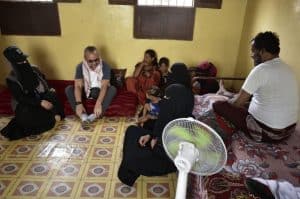
Three months ago, Esa was wasting away from a lack of food. Due to nationwide instability, there was little in the small Yemeni village of Al-Noba for the one-year-old to eat.
“I am scared to die from hunger,” Marie-Julina said.
“I have eight children and four grandchildren living with me,” she said. “I am responsible for their survival. We haven’t had enough to eat for eight years. We would plant, but nothing would grow.
“My children cry when they are hungry. And they are always hungry because I have so little to feed them. This drought has stolen our lives.
Anwara has lived a nightmare. Her village was burned to the ground and her husband brutally murdered, forcing her to flee through the night to find safety for her children.
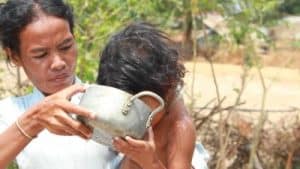
All over the world mothers like Mao live in fear of losing yet another child because of dirty water.
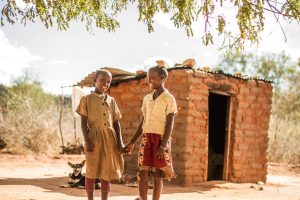
It seems as if Adia and Endana have always led a difficult life. In 2013, when the sisters were only 6 and 7 years old, their mother died, and soon afterward their older brothers left to find food and work. To this day, they haven’t returned.
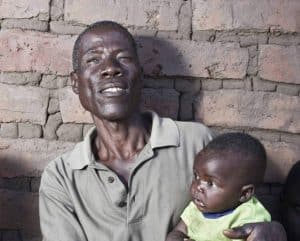
Tembwe is a 51-year-old farmer living in Zambia. He supports his family of 12, including his wife and eight of their own kids, as well as two orphan children from his late sister.
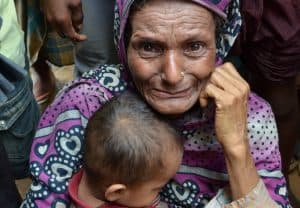
Samira and her grandson arrived in Bangladesh from the Rakhine state in Myanmar. Her four daughters were killed by militants with machetes, leaving her to flee with the young baby to save both of their lives.
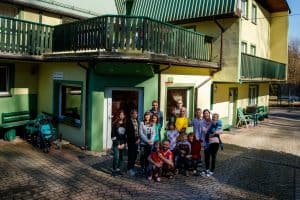
When the war reached their hometown of Novomoskovsk, Dmytro Trebushkovand his wife faced an impossible choice: stay in the home they had built with their foster children or flee with nothing but fait
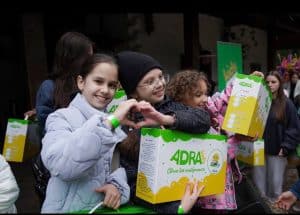
In today’s world, the line between natural and man-made crises is increasingly blurred — and the consequences are deeply personal.
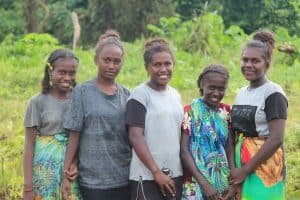
Every person deserves the dignity of a safe toilet. Yet, in 2025, nearly half the world’s population still lives without one.
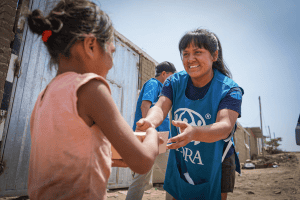
It is wonderful to connect about something so close to our hearts: the mission of the Seventh-day Adventist Church.
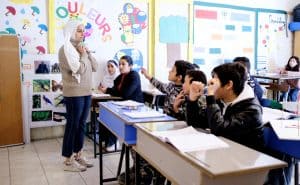
In classrooms across Baalbek and Mount Lebanon, children who have fled war and hardship sit side by side with their Lebanese peers, opening books, reciting lessons, and rediscovering what it means to dream again. Behind every one of those hopeful faces stands a teacher — a steady, compassionate guide shaping futures even in the most uncertain times.
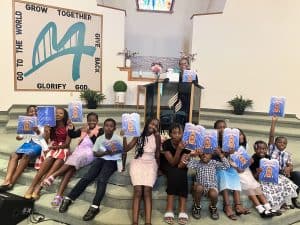
On the third Sabbath of every month, Terrina Williams tells the Children’s Story at Meadowbridge Seventh-day Adventist Church in Mechanicsville, Virginia. This year, Sabbath, June 21st, happened to be a special day—World Refugee Day.
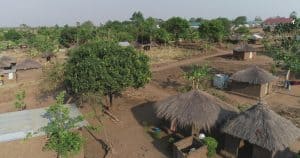
With the sun blazing on the tin roof, I heard her tell about how she fled for her life. In the refugee settlement she came to, she saw no other options than to sell her body.
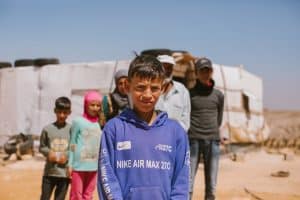
Across the world, millions of children are preparing to return to school—some carrying brand-new backpacks and pencils, others simply carrying the hope of a better future. At ADRA, we believe that education changes everything.
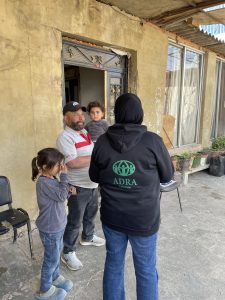
In the Middle East, where winter’s chill bites deeper for those who are displaced or living in poverty, one father’s quiet determination tells a powerful story about love, dignity, and survival

Each year, Shelly Bradley’s Sabbath School class would flip through ADRA’s Gift Catalog, choosing a project to fund by Christmas.