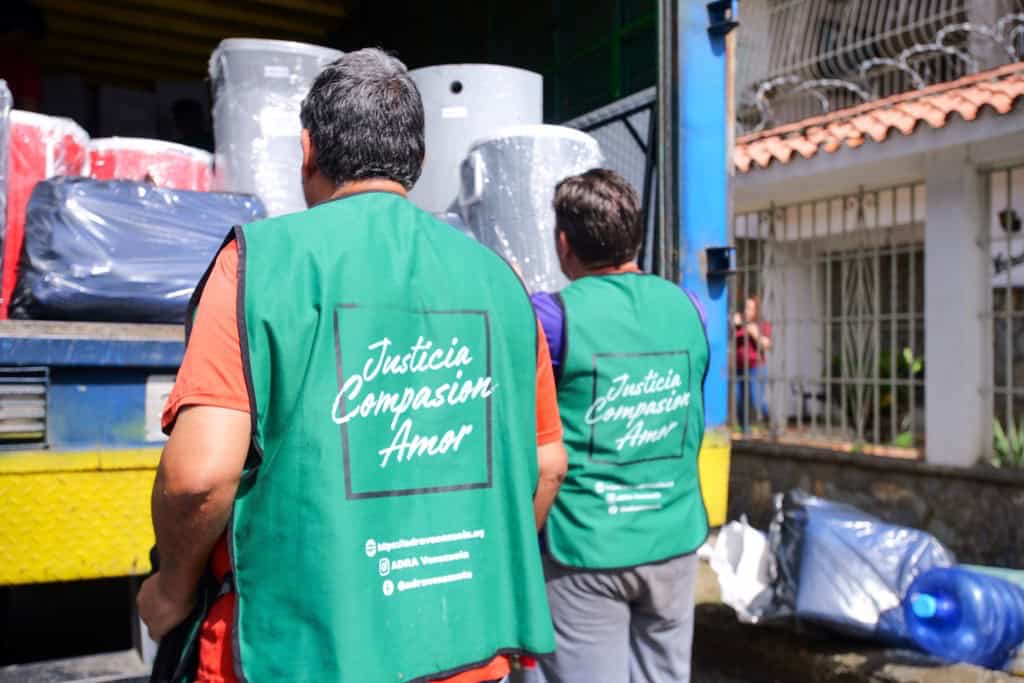
ADRA is helping to prevent the spread of Zika in the Dominican Republic by providing hygiene kits and health education to almost 6,000 people.
ADRA Dominican Republic have already distributed nearly 500 household kits that contain hygiene supplies to prevent the spread of disease, as well as detailed information about the Zika virus and how it is spread. The kits also address the prevention of other disease risks, including Dengue, Cholera, Malaria, and the Chikungunya virus.
ADRA Dominican Republic has also been involved in training and deploying volunteers in the priority areas of Santo Domingo and the National District. So far, they have trained 650 volunteers, with 436 having been deployed for the campaign. Soon, more than 150 volunteers will be deployed in the National District and 250 more in Villa Mella.
Within the country, the Zika virus has been detected in 21 provinces, and the spread of the disease is expected to grow as local officials fear that only as many as 25% of those affected by the virus will seek medical attention. This strengthens the need for information and prevention within households, as well as the wider community.