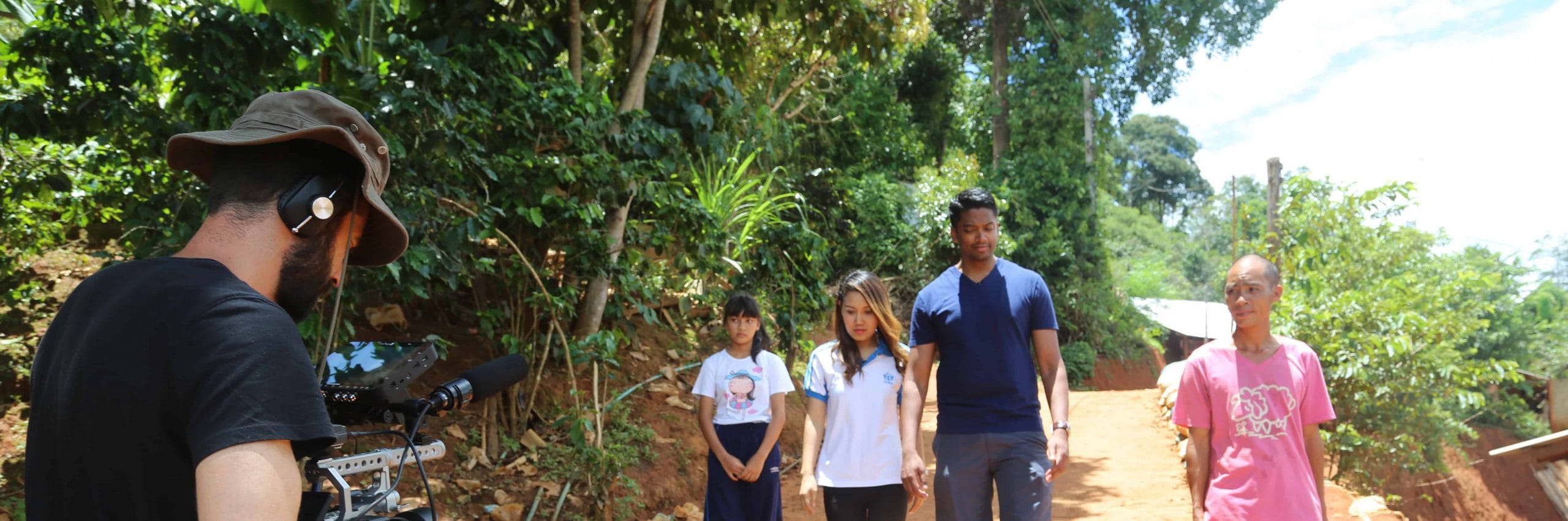
Pim is not happy to see her father. The 14-year-old nervously avoids eye contact and her small hands flit about like broken-winged birds. She shifts her weight from one leg to the other, bites her lip, and blows at a strand of hair falling across her forehead. It falls anyway and hides one of her darkly guarded eyes.

For a girl returning to her home and family, she acts less like a reunited child than a prisoner awaiting judgment. In a sense, that’s exactly what she is.
“He says he can’t really take her on right now,” Joy translates.
This is good news. It means Pim can return to the shelter where she has lived for seven years—where her friends, her puppies, her chickens, and her guitar lessons are waiting to welcome her back. It is good news, but it is packaged in the kind of sadness that no child deserves. Because, while she desperately wants to return to the shelter, there is undoubtedly a part of her that desperately wants her father to welcome her home.
Perhaps better news would be that Pim no longer has to fear her own family and community. Perhaps the best news of all would be that the world into which Pim was born will no longer allow young girls to be reduced to sexual commodities.
But that is not the case. Pim still lives on a planet where over 20 million people are currently being trafficked for commercial sex or forced labor, and so she will have to take what good she can get.
On the return ride to the shelter, Pim slowly transitions back into the girl I met a few days prior, whose eyes shine with laughter and whose lips carry a hint of playful mischief. For now, the threat of being sold into slavery is behind her.
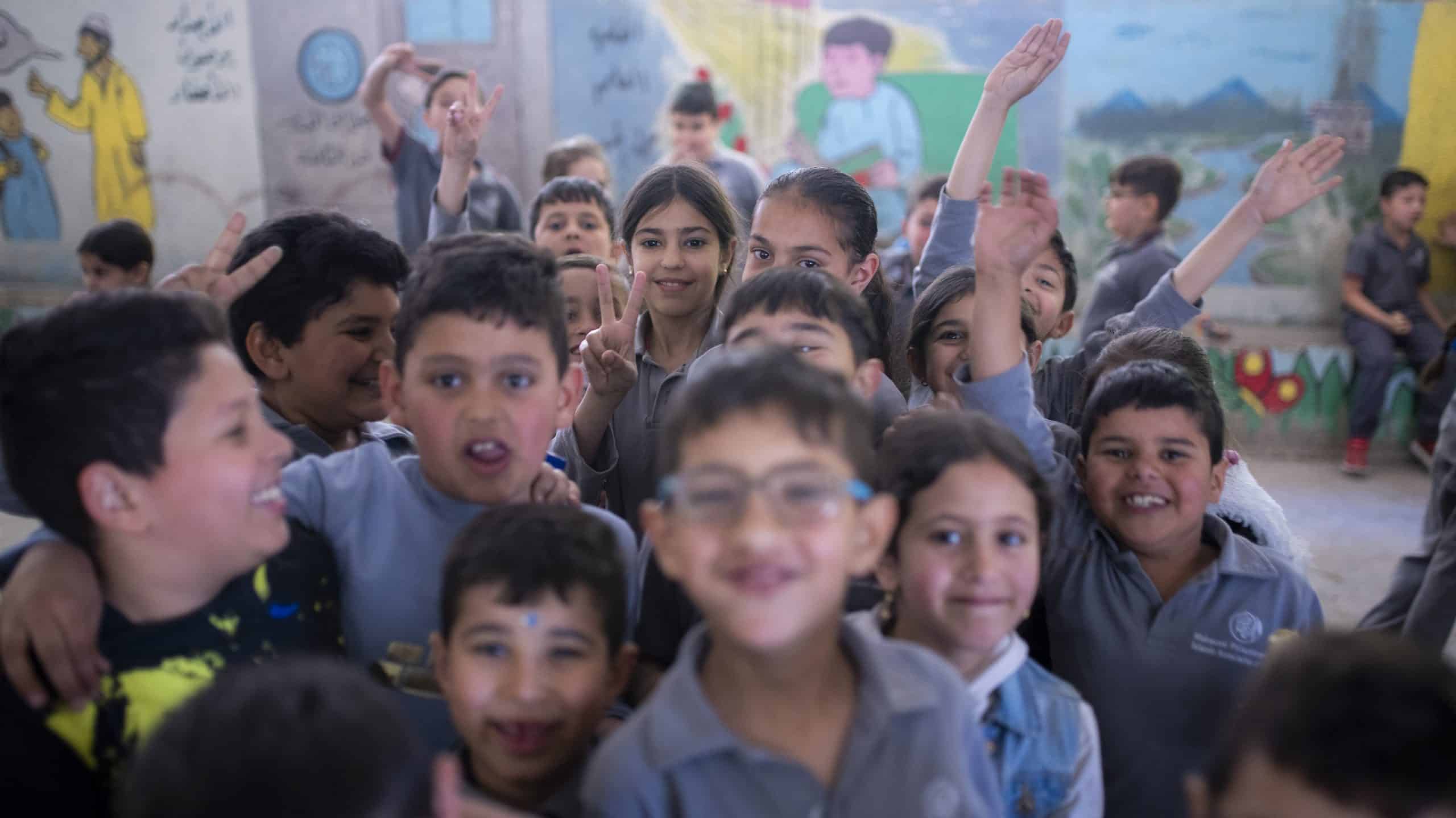
As we approach Keep Girls Safe, a spacious and sprawling home tucked away in Chiang Rai, Pim presses her face to the glass and smiles. Several of the 30 girls who call this shelter home run out to the car and crowd around the doors. Pim climbs out and they tumble into the kind of embrace that only a group of happy children can create. Pim is back.

If home is a place of family, laughter, and security, then the Keep Girls Safe shelter is the only home Pim has ever known. Here her heart is loved, her brain is educated, and her innocence is preserved. In a society where girls are often valued by the amount of money they can procure through forced labor and sexual acts, the latter is an especially rare gift to provide.

Keep Girls Safe honors what much of the world is unwilling or unable to do: give every little girl a safe and happy childhood. The ones who live here have exactly that. They raise fish and chickens, play musical instruments, cultivate fruits and vegetables, learn traditional dances, and snuggle with the three resident puppies. They also learn literacy and mathematics, among other skills, so that when they leave the shelter, they can advertise their brains instead of their bodies.
Though the world at large may be predatory and unsafe, here it is held at bay by the clucking of chickens, the barking of puppies, and the laughter of 30 happy and protected girls.