Четыре года назад мир наблюдал за тем, как в одночасье изменилась Украина.
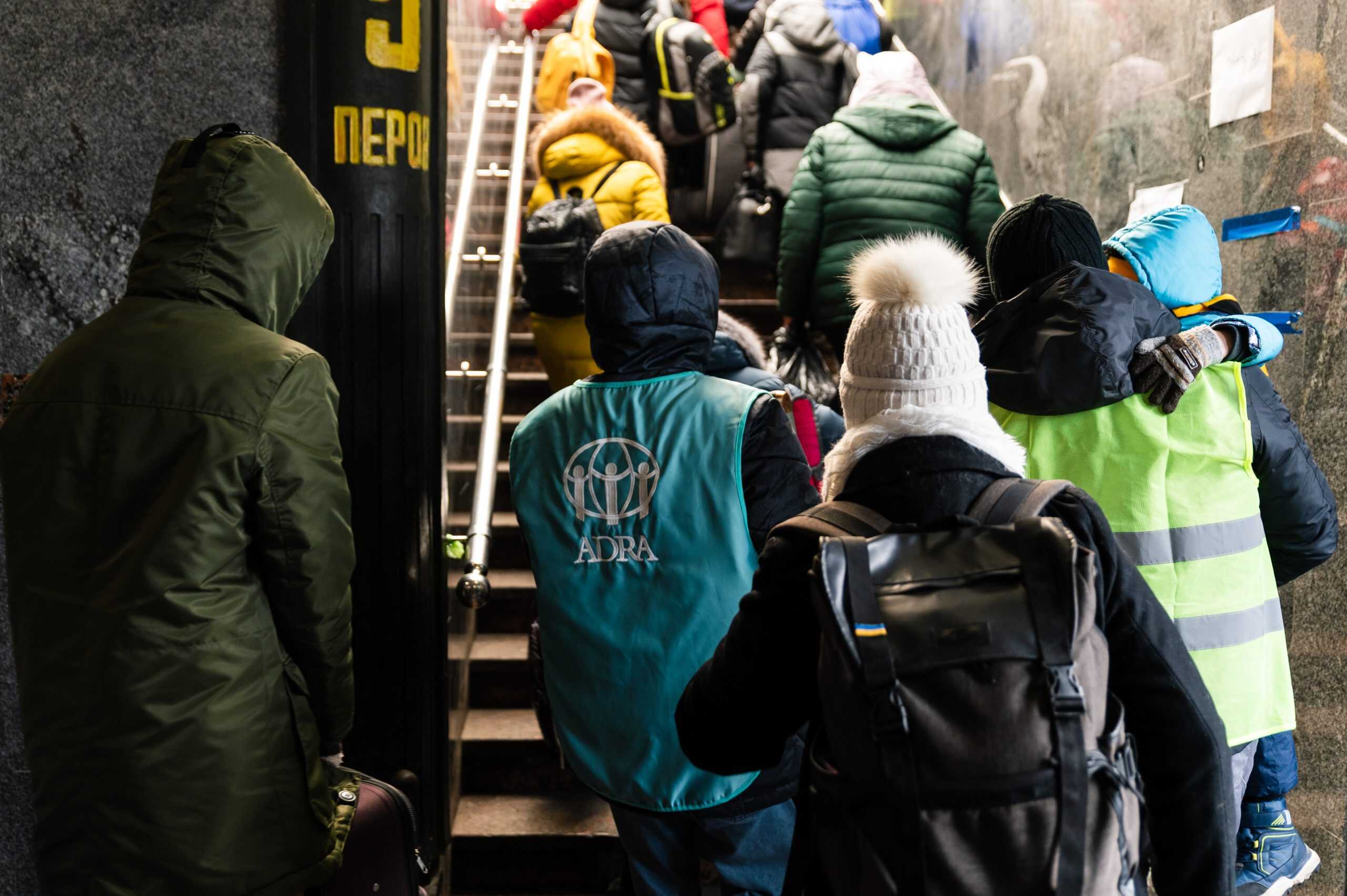
Изображения заполонили все экраны: семьи несут на себе все, что могут, границы переполнены бегущими людьми, города в одночасье превратились в руины. Мир смотрел, и мир реагировал. Невозможно было отвести взгляд.
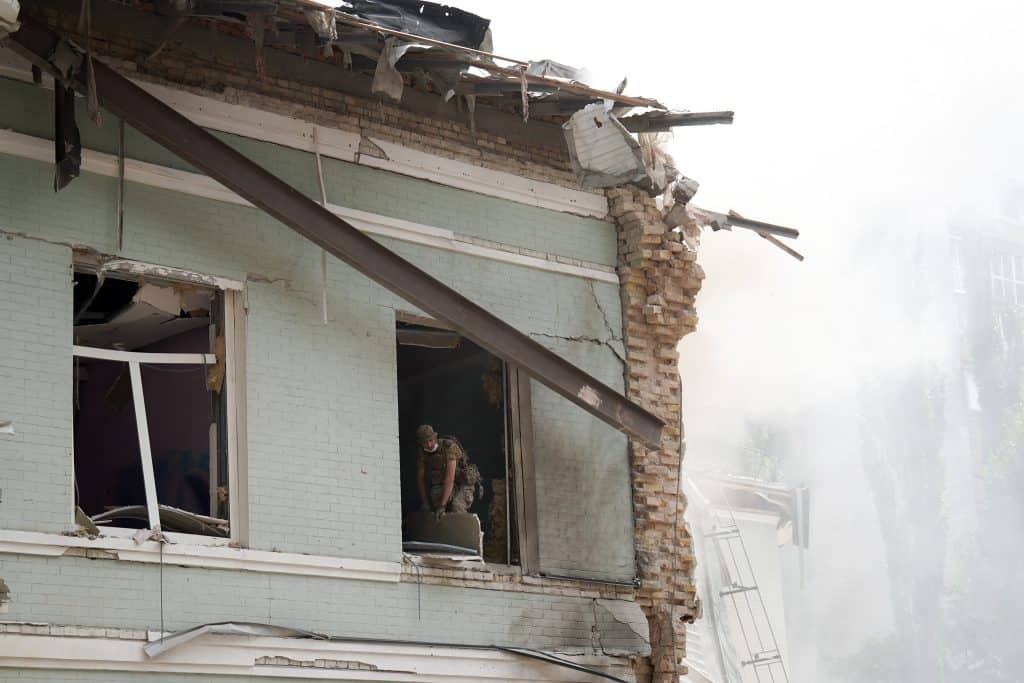
Но четыре года - это большой срок. Циклы новостей сменяют друг друга, внимание переключается. Для многих людей Украина тихо отошла на второй план - конфликт, о котором они знают, все еще происходит, но который больше не мешает им жить так, как раньше.
А вот то, что не исчезает: реальность на местах.
За четыре года конфликта в Украине миллионы людей все еще остаются вынужденными переселенцами. Семьи все еще живут в поврежденном или временном жилье. Дети все еще растут под сенью неопределенности. А гуманитарные организации, такие как ADRA, по-прежнему выполняют важнейшую работу, которая редко попадает в заголовки газет, но каждый день меняет жизни людей.
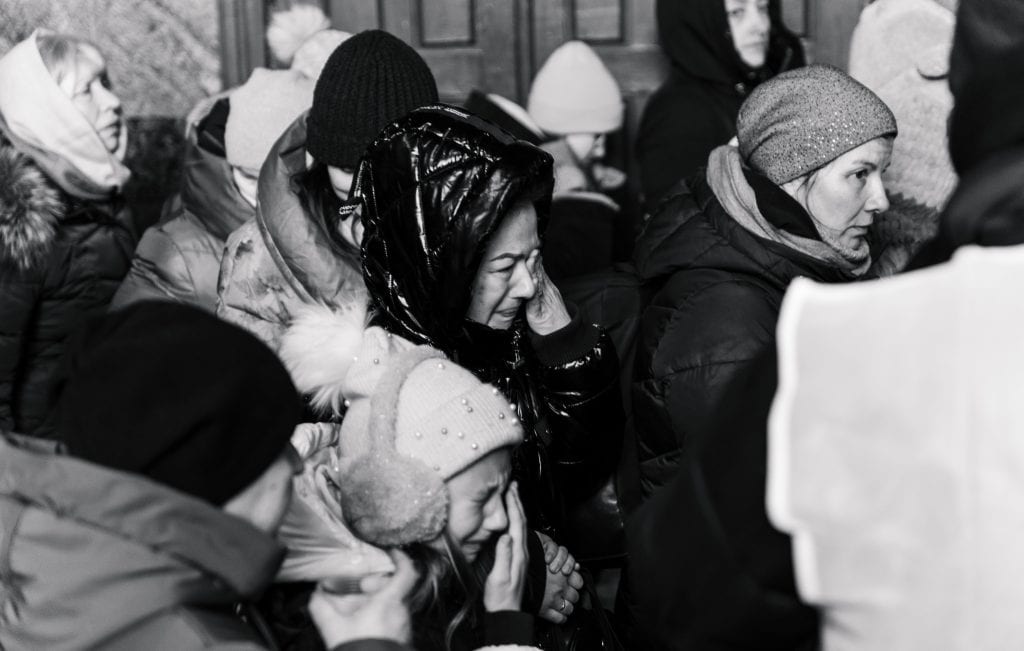
Этот пост посвящен этим жизням. О том, как на самом деле выглядит конфликт в Украине спустя четыре года, за пределами экстренных новостей и статистики. Речь идет о людях и историях, которые заслуживают того, чтобы быть рассказанными.
Кризис, который не прекращался - четыре года срочной необходимости
Вот что может потеряться со временем: конфликт в Украине - это не закрытая глава. Она все еще пишется.
С момента начала боевых действий 24 февраля 2022 года масштабы перемещения населения в Украине поражают воображение. По данным Агентство ООН по делам беженцев (УВКБ ООН), В результате конфликта более 3 миллионов человек оказались на территории Украины и более 6,7 миллиона были вынуждены искать убежище в Европе и за ее пределами. Более 12,7 миллиона человек по-прежнему нуждаются в гуманитарной помощи - число настолько большое, что бывает трудно вспомнить, что оно представляет собой множество реальных людей и жизней: матерей, детей, бабушек и дедушек, соседей. И эта потребность не уменьшается.
Уникальность этого кризиса заключается не только в его масштабах. А в том, как долго он длится.
Система реагирования на чрезвычайные ситуации рассчитана на острую фазу: первые часы, дни и недели после наступления бедствия. Однако конфликт, длящийся уже четыре года, требует иного подхода. Семьям, покинувшим свои дома, сейчас нужно не только продовольствие — им требуется жилье, психологическая поддержка и помощь в восстановлении того, что было утрачено. Сообщества, пережившие первоначальный шок, теперь вынуждены жить под давлением длительной и изнурительной неопределённости.
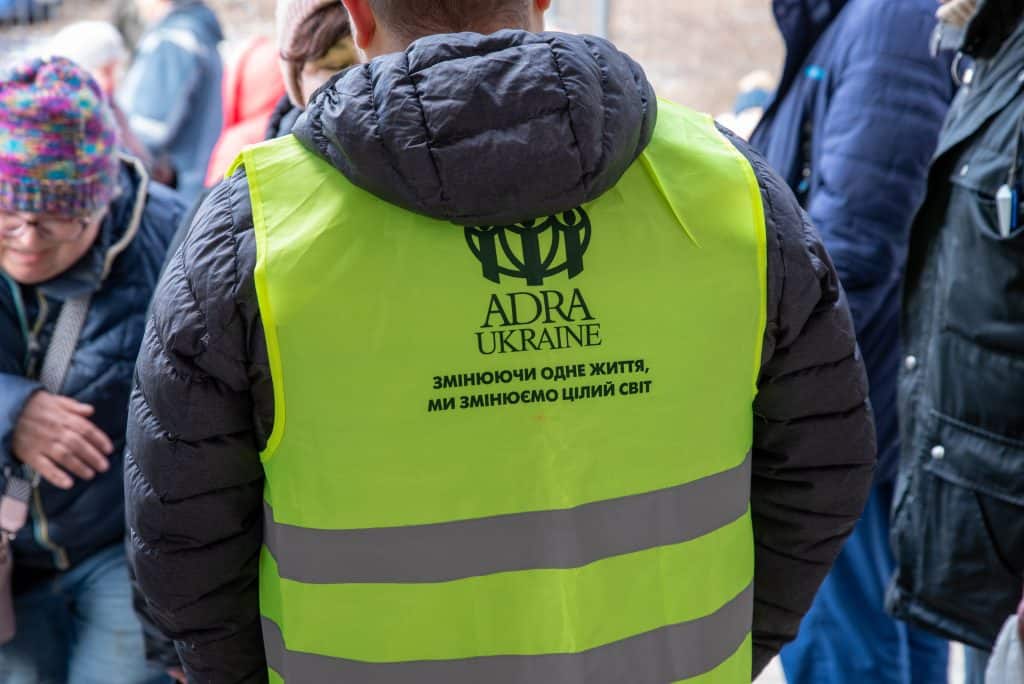
Такую устойчивую, адаптивную реакцию трудно поддерживать. Для этого нужны организации, готовые оставаться на месте, когда срочность становится менее заметной, и продолжать проявлять себя даже тогда, когда за этим никто не наблюдает.
“Сегодня перед АДРА Украина стоят большие задачи. Мы должны не только удовлетворять гуманитарные потребности, но и помогать людям и сообществам восстанавливать свою жизнеспособность и будущее”.” сказал Андрей Бабенцов, новый глава ADRA Ukraine.
За четыре года эта приверженность не изменилась. И последующие истории - доказательство того, как это выглядит на практике.
История Марии: Обретение твердой почвы после потери всего
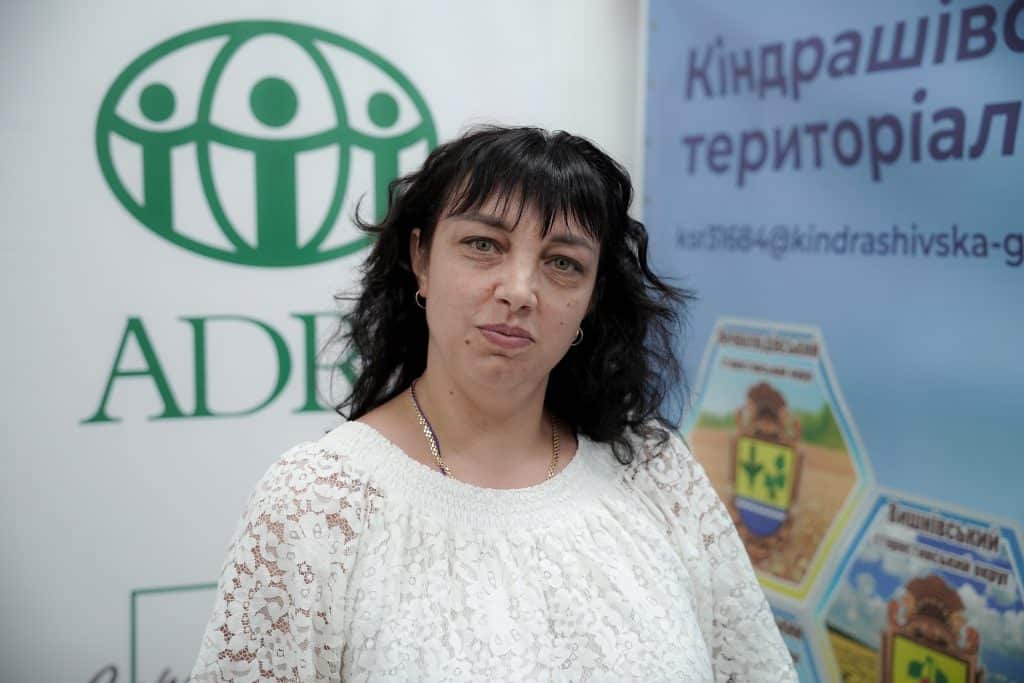
Мария Баранова помнит тот самый момент, когда ее жизнь раскололась на две части.
Она была беременна третьим ребенком, когда за ее окном в Херсоне раздался первый взрыв. Она сразу же подумала не о себе, а о своих детях и ребенке, которого она носила. В течение нескольких недель семья пряталась в подвале во время обстрелов, тратя на еду и лекарства все, что у них оставалось. В конце концов, у них не осталось другого выбора, кроме как уехать.
Поездка в Николаев была страшной. “Мы все время надеялись, что все скоро закончится, - вспоминает Мария.
Это не так. И тяжесть пережитого семьей не исчезла, когда они добрались до безопасного места, а последовала за ними. Дети боролись с тревогой. Мария старалась быть для них источником силы, хотя сама тихо несла свое горе. “Мы потеряли все”, - говорит она. “Мы потеряли нашу жизнь”.”
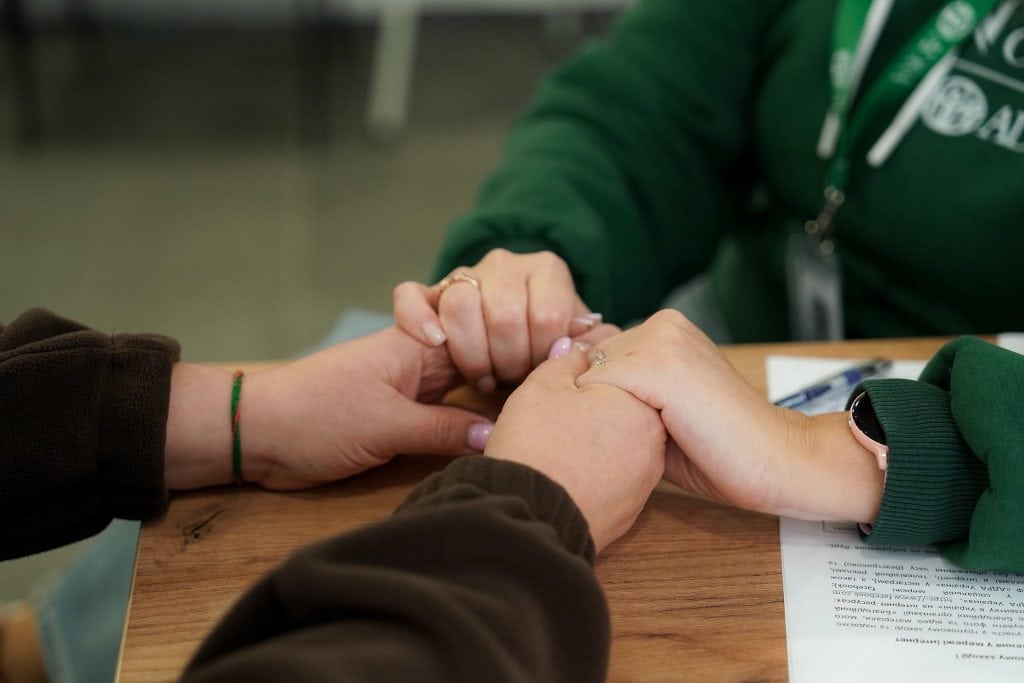
Однажды она наткнулась на информацию о психологических семинарах, организуемых ADRA Ukraine и ADRA Canada в ее городе. Она решила пойти.
“Эти семинары помогают мне эмоционально разгрузиться”, - говорит она. “Здесь есть люди, которые понимают меня и поддерживают”. Для Марии занятия стали не просто местом, где можно поговорить. Они стали местом, где ее услышали. И благодаря сообществу женщин, которые понимают, через что ей пришлось пройти, Мария теперь чувствует, что она не одинока, что дает ей силы двигаться дальше.
История Джулии: Маленькие вещи, которые все еще имеют значение
Юлия Костынюк и ее семья были эвакуированы из Харьковской области, но домом для них по-прежнему остается Харьков - город, который продолжает жить под ежедневной угрозой обстрелов. Они с мужем делают то, что делают родители во всем мире: пытаются дать своим трем детям как можно более нормальную жизнь, даже когда нормальная жизнь кажется очень далекой.
Для Джулии это означает, что ее дети не должны чувствовать себя обделенными. Чтобы они могли учиться, расти и находить моменты радости посреди всего.
Когда АДРА раздала образовательные наборы семьям в этом районе, младшая дочь Юлии Ника загорелась. “Она нашла это очень интересным и с восторгом рассматривала подарок”, - вспоминает Юлия. В наборе были самые необходимые вещи - альбомы, тетради, краски, карандаши, ручки - то, что легко упустить из виду, пока вы не можете себе этого позволить".
И для многих семей в Харькове это именно такая реальность. В условиях потери работы и нестабильности доходов родители вынуждены делать трудный выбор, на что потратить каждый доллар. Не всегда удается купить школьные принадлежности, когда приходится покупать еду и лекарства.
Образовательные наборы означали, что Джулия и ее муж могли перенаправить сэкономленные деньги на одежду и продукты. Да, практично. Но и нечто большее.
“Это важный знак заботы и поддержки в трудные времена”, - говорит она.
Иногда именно в этом люди нуждаются больше всего - не только в самих вещах, но и в напоминании о том, что кто-то, где-то, не забыл о них.
История Марены: “Людям нужно помогать. И ты идешь”.”
Марина Ильницкая - воспитательница детского сада из Берислава, Херсонская область. Она также является одним из тех, кто отвечает за доставку продовольствия в деревни, расположенные так близко к линии фронта, что во время ее работы над ними летают беспилотники.
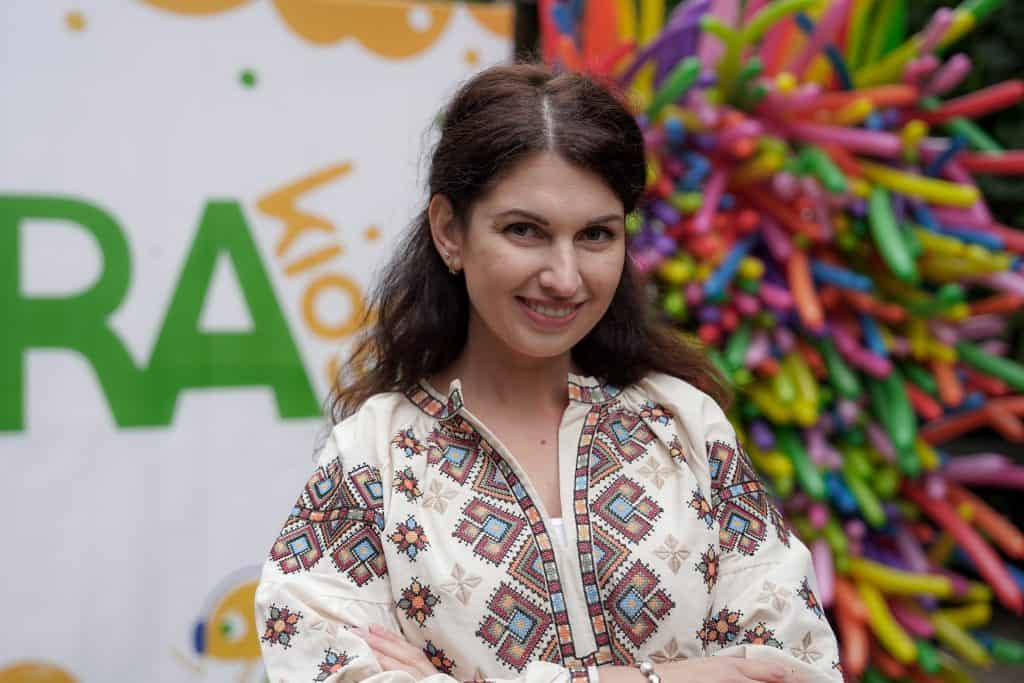
Она попала в этот мир почти случайно. Когда в ноябре 2022 года ее город был освобожден от оккупации, всего через три дня прибыли грузовики с гуманитарной помощью. Кто-то попросил ее помочь с распределением. Она согласилась и больше не останавливалась.
Сейчас она координирует доставку продовольственных наборов для ADRA Ukraine в самые опасные уголки страны. Она планирует маршруты в зависимости от того, когда обстрелы слабее. Она начинает развозить продукты в четыре или пять утра, если позволяют условия. Она работает в каске и бронежилете, следит за сигналами беспилотников в онлайн-чатах, а когда объявляется воздушная тревога, останавливает линию и переводит всех в укрытие.
В августе 2023 года два беспилотника сбросили заряды на ее команду, когда те грузили помощь в машины. Взрыв направил ударную волну прямо на то место, где она сидела. Она встала, приказала своей команде двигаться и помогла вывести всех в безопасное место. Позже она узнала, что у нее сотрясение мозга второй степени. Через три дня после выписки из больницы она снова отправилась на доставку.
“Людям нужно помогать”, - просто говорит она. “Так что идите”.”
По ее словам, главное, что заставляет ее продолжать работу, - это сами люди. В одной из деревень, которую она часто посещает, Змиевке, когда-то проживало около 850 человек. Теперь их осталось шестеро. Когда ее команда привозит еду, они отправляют сообщения: “Спасибо, что поддерживаете нашу жизнь. Благодаря вам мы можем выжить”.”
Этих слов, по ее словам, достаточно.
По вечерам она преподает в детском саду онлайн - детям, разбросанным по Украине и всему миру. После утра, проведенного под обстрелом, она открывает ноутбук и видит их лица. “Страх исчезает”, - говорит она. “В их глазах появляется надежда”.”
Она не знает, что ждет ее завтра. Но она все равно готовит уроки - потому что дети ждут.
(Чтобы узнать больше об истории Марины, прочитайте ее интервью с ADRA Ukraine. здесь.)
Четыре года работы АДРА в Украине
С февраля 2022 года АДРА работает в Украине, реагируя, адаптируясь и оставаясь на месте. Вот краткий обзор того, как выглядят эти обязательства.*
- Охваченные люди: Более 3,2 миллиона уникальных бенефициаров по всей Украине
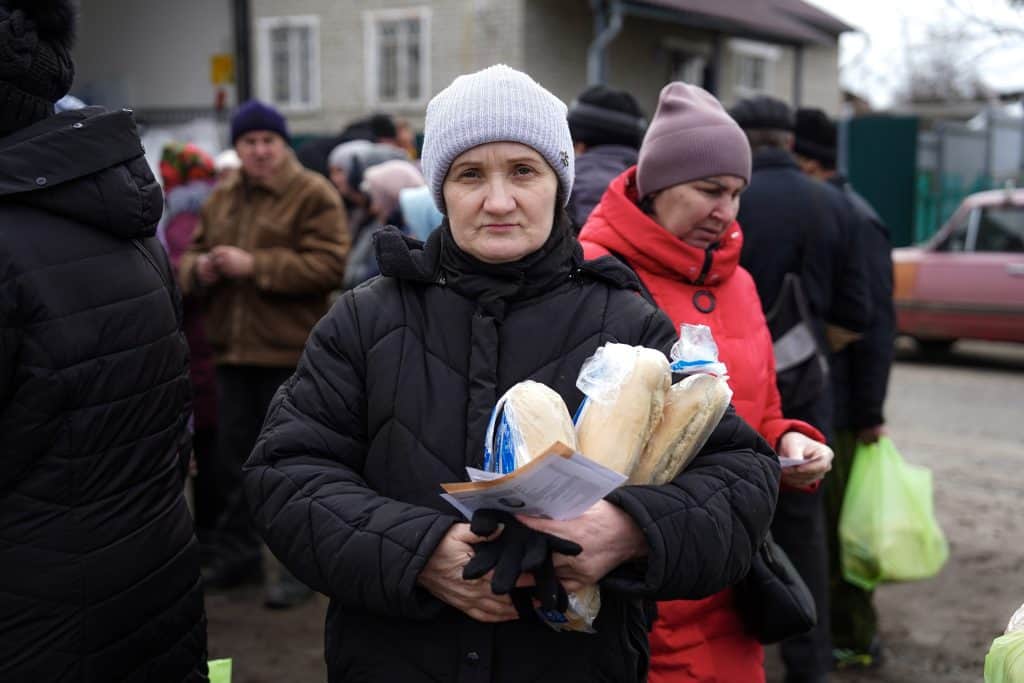
- Продовольственная помощь: 7,2 миллиона продовольственных наборов, распределенных среди семей, в том числе в районах, находящихся вблизи линии фронта, в партнерстве с Всемирная продовольственная программа ООН (ВПП)
- Приют и жилье: 48 309 человек получили бесплатное жилье (приюты и транзитные центры), а 917 домохозяйств получили легкий/средний ремонт
- Поддержка психического здоровья: 55 048 человек, охваченных психосоциальными программами, включая семинары, которые помогли Марии вновь обрести чувство стабильности
- Детское образование: 10 217 детей, таких как дочь Юлии Ника, получили поддержку в получении образования
- Денежная помощь: 166 080 человек получили денежную помощь в той или иной форме, чтобы удовлетворить свои потребности на собственных условиях
- Команда: Мобилизовано 270 преданных своему делу членов команды и бесчисленное количество местных добровольцев, в том числе и такие дистрибьюторы, как Марина, работающие в самых опасных районах страны
*Примечание: данные приведены по состоянию на февраль 2025 года.
Сегодня работа АДРА в Украине продолжается. Столкнувшись с самой экстремальной зимой с начала конфликта, команды в настоящее время сосредоточены на проведении широких мероприятий по перезимовке и преодолению энергетического кризиса, чтобы помочь населению сохранить электричество, тепло и основные услуги. Кроме того, команды будут сосредоточены на оказании постоянной продовольственной помощи, обеспечении жильем и поддержке психического здоровья, охватывая наиболее уязвимых людей в самых труднодоступных местах.
История не закончена
Четыре года назад никто из них не выбрал этот путь. Ни Мария, которая бежала из Херсона, будучи беременной и напуганной. Ни Юлия, которая до сих пор пытается дать своим детям нормальное детство в городе, находящемся под угрозой. Ни Марина, которая никогда не планировала стать той, кто до рассвета развозит продукты в деревни у линии фронта.
И все же они продолжают жить. Все еще находят способы двигаться вперед посреди непрекращающегося конфликта.
Именно этому ADRA посвятила четыре года: помогать людям в самые трудные моменты и идти рядом с ними столько, сколько потребуется.
Если вы уже поддержали работу ADRA в Украине - спасибо вам. Ваша щедрость сделала возможным четырехлетнее присутствие. Благодаря ей на столах в деревнях, о которых большинство людей даже не слышали, появилась еда, женщины, подобные Марии, получили возможность почувствовать, что их слышат, а семьи, подобные семье Юлии, обрели надежду.
А если вы еще не сделали этого, то у вас еще есть время стать частью этой истории.
Хотите быть в курсе событий, происходящих на местах? Подпишитесь на обновления ADRA по электронной почте чтобы услышать такие истории, как они разворачиваются, или следите за ними на Facebook и Instagram за новостями из Украины и других стран.
Народ Украины все еще здесь. И АДРА тоже.