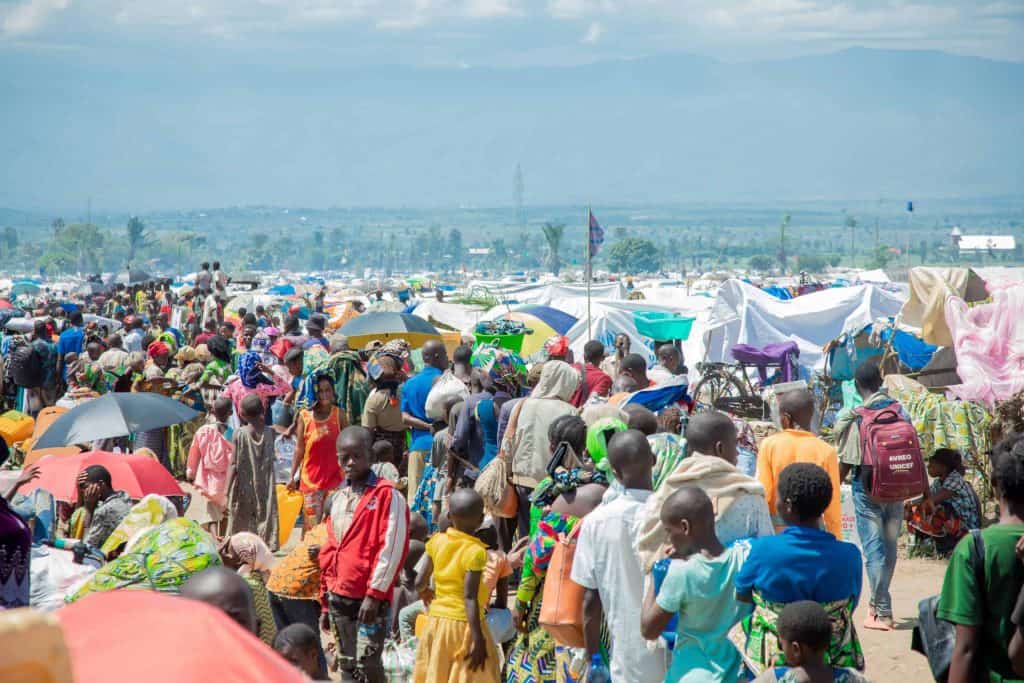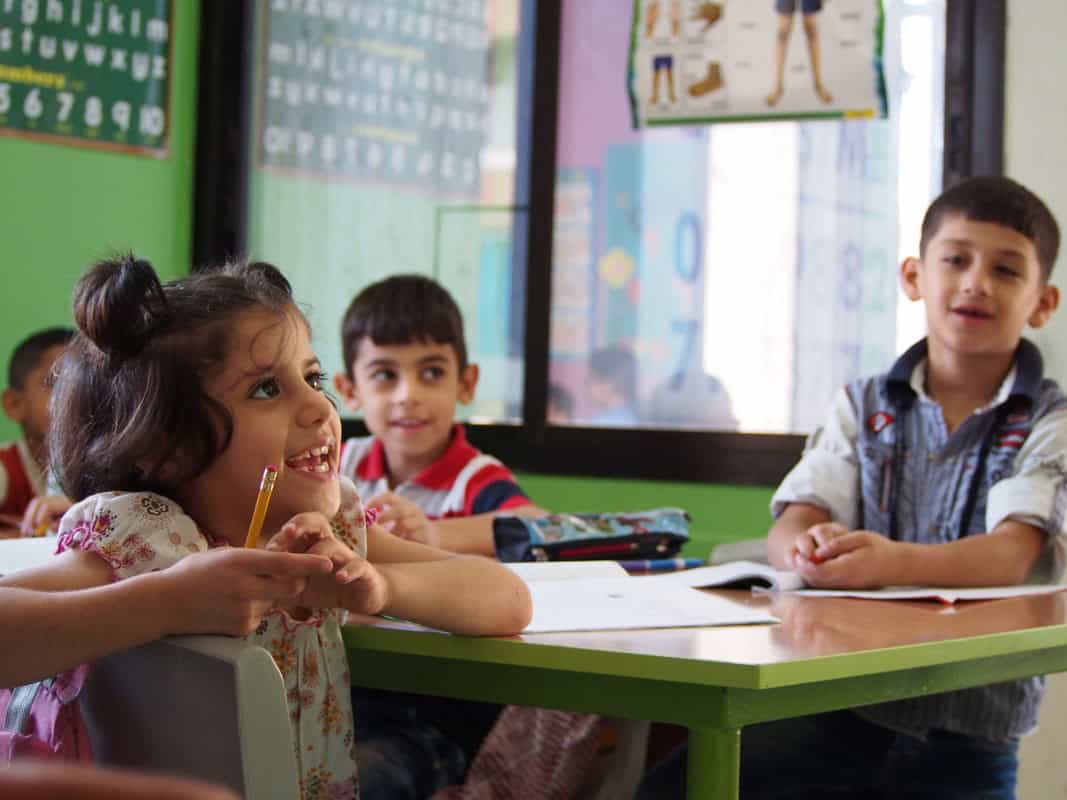
En 2018, la Asamblea General de las Naciones Unidas (AGNU) estableció el 24 de enero como el Día Internacional de la Educación anual para reconocer el papel del aprendizaje como un derecho humano fundamental y una piedra angular del desarrollo sostenible.
“ADRA mantiene su compromiso de defender el derecho a la educación, especialmente para los niños más marginados. En regiones afectadas por conflictos, desplazamientos y pobreza, nos aseguramos de que la educación no sea un privilegio, sino una realidad. A través de programas innovadores, una defensa persistente y el apoyo de nuestros donantes, ADRA crea vías de aprendizaje incluso en los entornos más difíciles, garantizando que el futuro de los niños no esté definido por sus circunstancias”, afirma Sonya Funna Evelyn, vicepresidenta de Desarrollo Sostenible de ADRA Internacional.
Proyectos destacados de ADRA en todo el mundo
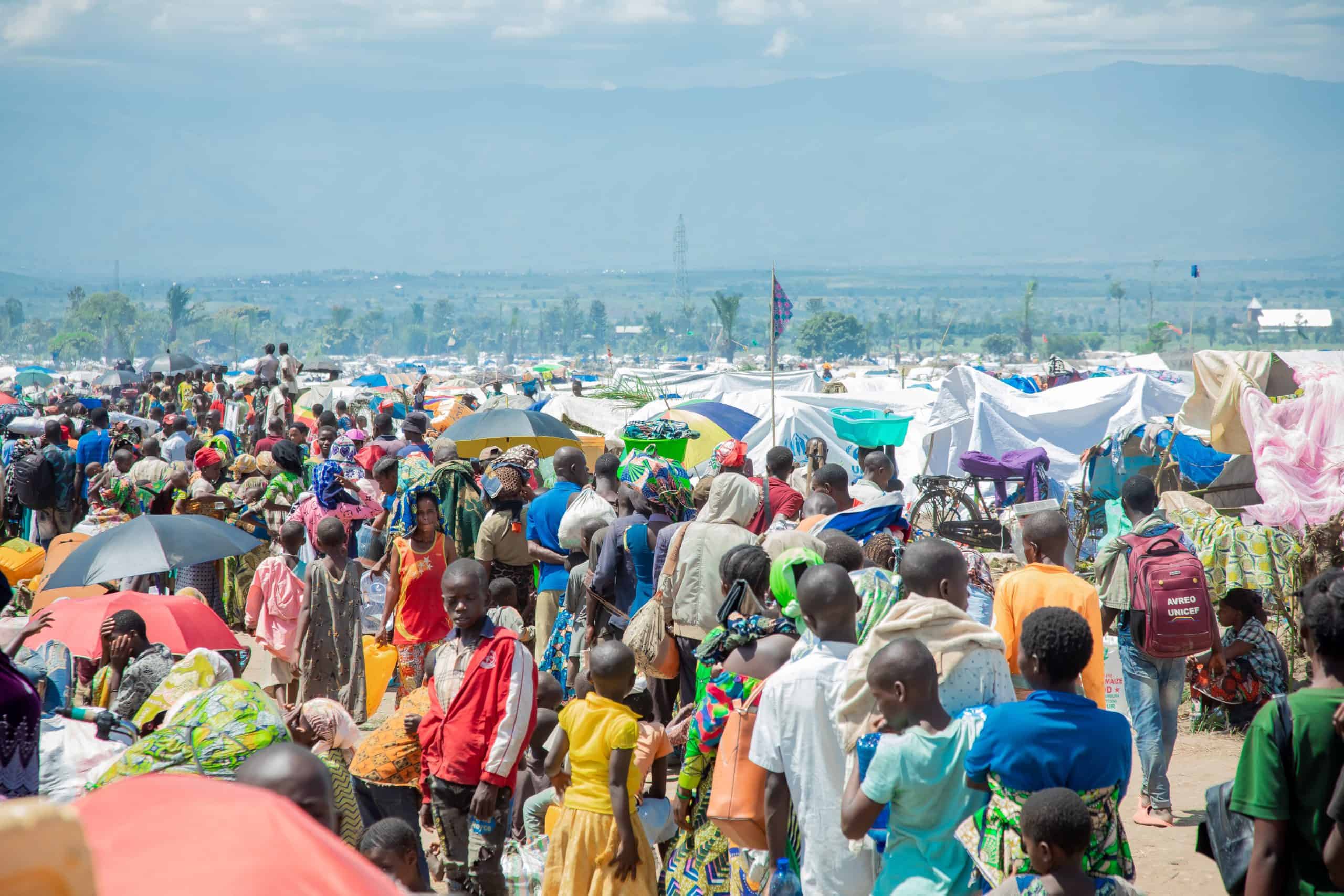
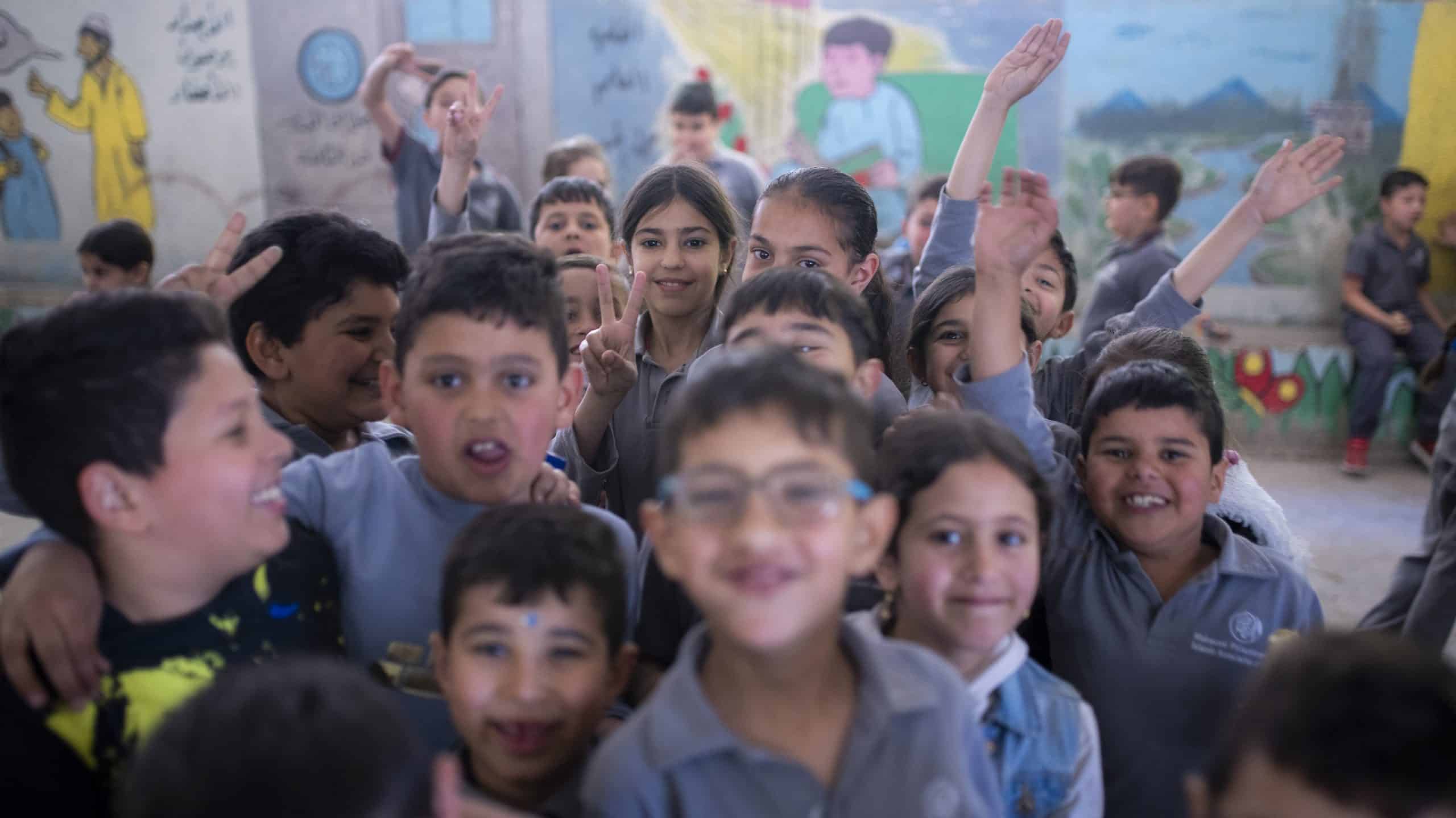
Apoyo a los refugiados y niños desplazados en Siria y Líbano
Los programas educativos de ADRA en Siria y Líbano proporcionan un apoyo fundamental a los refugiados y a los niños desplazados internos, entre ellos:
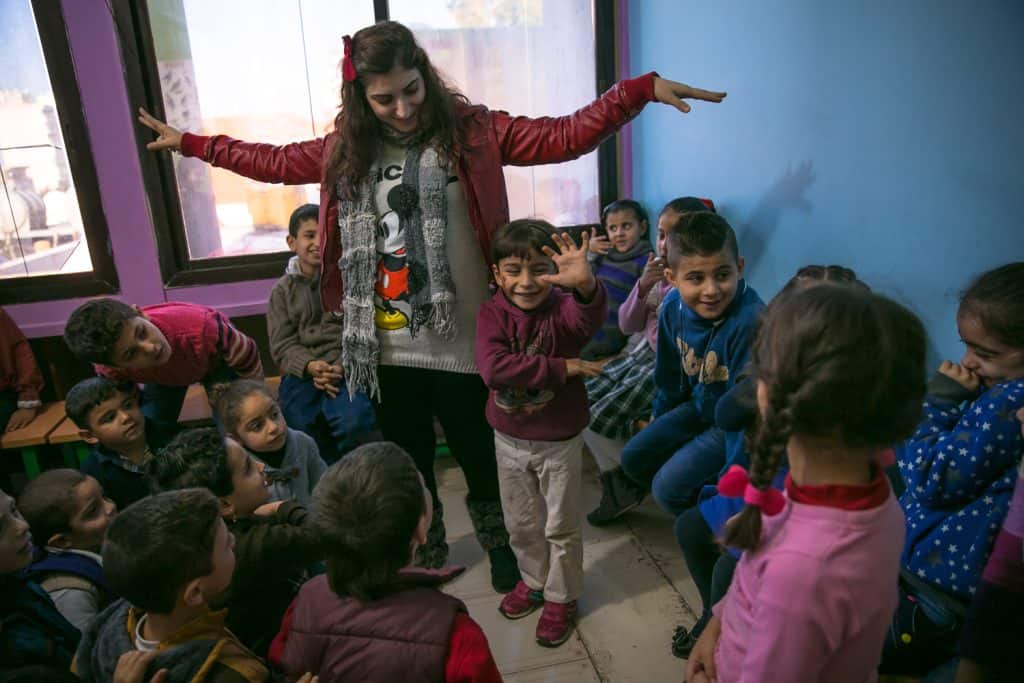
- Apoyo educativo: Suministro de libros de texto, uniformes y kits educativos a
- garantizar que los niños estén equipados para la escuela.
- Apoyo en el aula: Ofrecer materiales para fomentar la inscripción y la retención, y educación no formal para facilitar la reintegración.
- Rehabilitación escolar: Reparar y restaurar los edificios escolares dañados para crear entornos de aprendizaje seguros y propicios.
- Formación de profesores: Programas de capacitación centrados en el apoyo psicosocial y las técnicas de educación inclusiva.
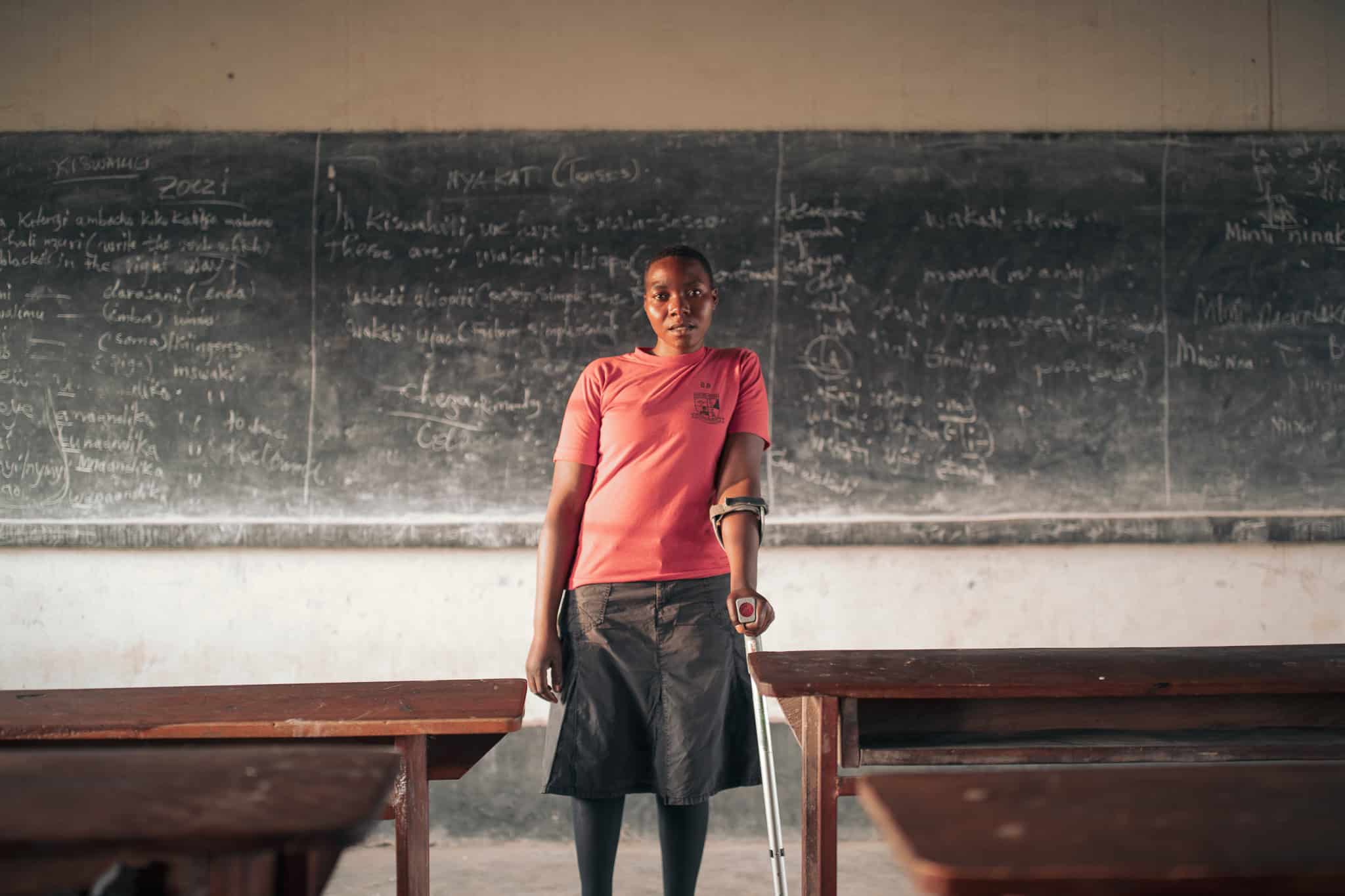
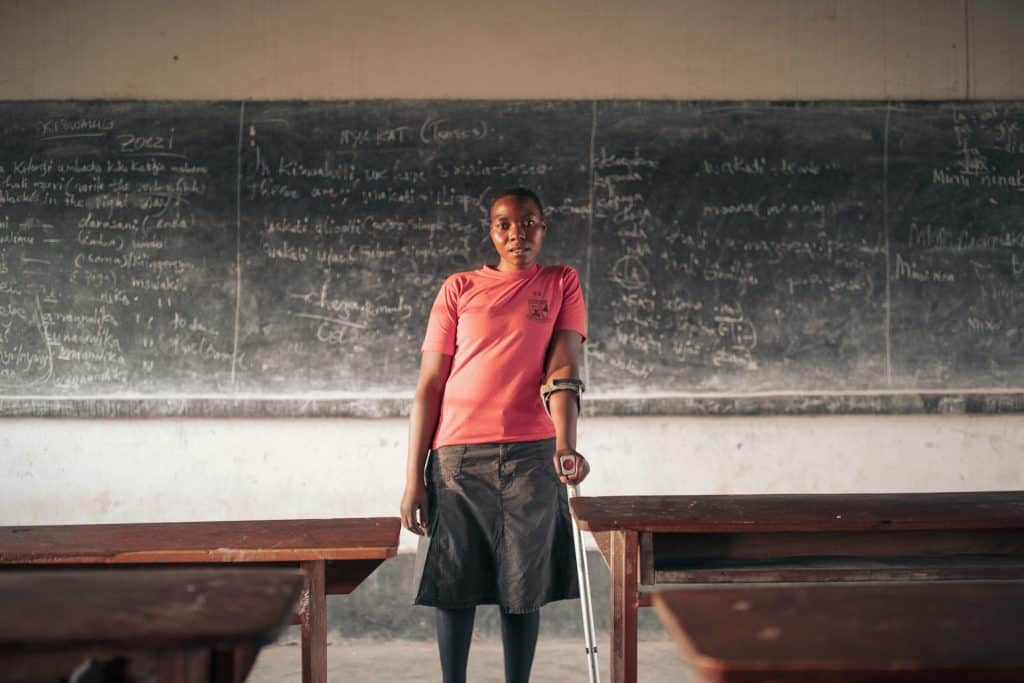
- Apoyo a los niños con discapacidad: Ofrecer ayudas auditivas y formación del profesorado para crear aulas inclusivas.
- Educación no formal: Programas de recuperación y aprendizaje acelerado para niños atrasados en sus estudios o no escolarizados.
Ampliar las oportunidades educativas en Camboya
Las continuas actividades educativas de ADRA en Camboya para promover el acceso al aprendizaje ampliando las instalaciones y fomentando la inclusión de los estudiantes, independientemente de sus limitaciones físicas, incluyen:
- Nueva biblioteca: El Programa de Apadrinamiento de Niños de Pursat, en colaboración con ADRA Corea y el artista Kim Jun Su, financió la nueva biblioteca para ofrecer a los jóvenes lectores un valioso recurso de aprendizaje y exploración.
- Mejora de las infraestructuras escolares: Las renovaciones de ADRA amplían las instalaciones para dar cabida a más estudiantes y mejorar el entorno de aprendizaje.
- Instalaciones accesibles: Voluntarios de ADRA Connections construyeron nuevas letrinas para aumentar la accesibilidad de los niños con necesidades especiales.
Alfabetización y desarrollo de capacidades en Malí
Los programas de educación de ADRA en Mali que capacitan a las mujeres desplazadas internas para recuperar la estabilidad y la autosuficiencia para mantener a sus familias incluyen:
- Clases de alfabetización: Enseñar lenguas nativas como el bambara para ayudar a las mujeres a aprender a leer y escribir.
- Aritmética y formación profesional: Ofrecer clases de matemáticas y talleres de fabricación de jabón para crear nuevas oportunidades de empleo.
- Edificio comunitario: Ofrecer eventos para que las mujeres establezcan contactos, entablen amistades, refuercen los lazos comunitarios y creen sistemas de apoyo para un futuro sostenible.
Formación de mano de obra y aprendizaje acelerado en Níger y Sudán del Sur
Los programas de Educación No Formal (ENF) de ADRA en Níger y Sudán del Sur, destinados a llegar a los niños que han faltado a la escuela o nunca han tenido la oportunidad de aprender, incluyen:
- Educación no formal (ENF): Iniciativas de aprendizaje acelerado para ayudar a los niños a recuperar los estudios perdidos en un plazo más breve.
- Habilidades para la vida y formación profesional: Dotar a los jóvenes de aptitudes para el empleo, desarrollar su autonomía y prepararlos para la vida después de la escuela.
- Formación del profesorado e integración de la tecnología: Mejorar las competencias de los educadores e incorporar la tecnología para lograr experiencias de aprendizaje más innovadoras y eficaces.
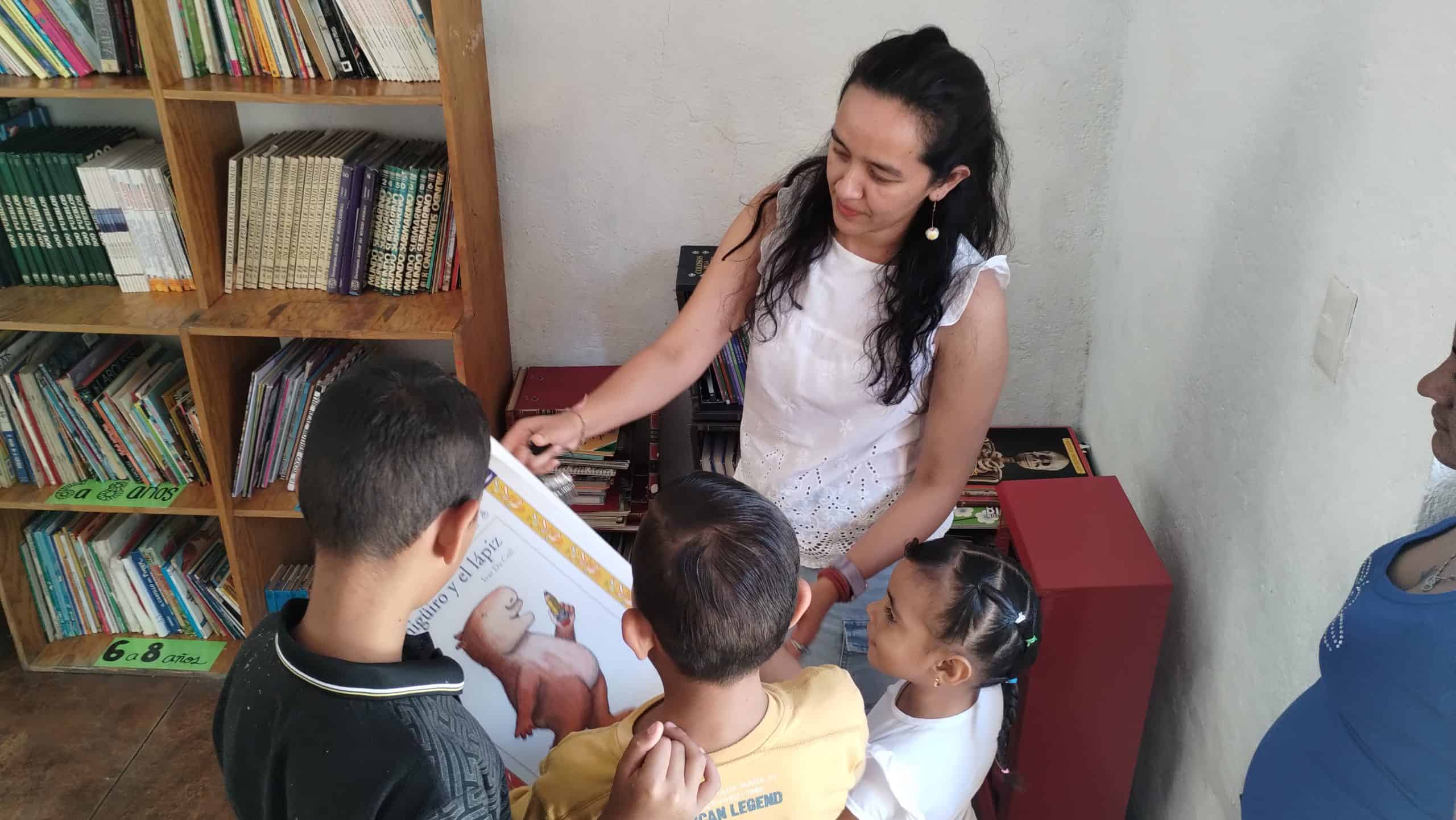
Vías para la educación de los niños sin hogar en México
El proyecto Caminos a la Educación de ADRA en México aborda las necesidades educativas de los niños desplazados que se enfrentan a la falta de hogar y a la inestabilidad proporcionándoles:
- Educación formal: Escuela primaria para niños desplazados de 6 a 12 años que viven en campamentos provisionales, lo que les permite continuar su educación a pesar de las difíciles circunstancias.
- Educación no formal: Oportunidades de aprendizaje creativo, como programas de música y arte en centros culturales locales.
- Estrategias holísticas: Esfuerzos de defensa para ayudar a los niños a curarse, reducir la ansiedad y desarrollar habilidades de afrontamiento para un futuro mejor.
“Ya sea reconstruyendo escuelas en zonas de conflicto, proporcionando espacios de aprendizaje alternativos para niños desplazados o garantizando una educación inclusiva para niños con discapacidad, ADRA se mantiene firme en su convicción de que todos los niños tienen derecho a aprender y a alcanzar su pleno potencial, independientemente de su origen”, afirma la vicepresidenta de Desarrollo Sostenible de ADRA Internacional, Sonya Funna Evelyn.