Ich bin in einer Tradition aufgewachsen, die mich lehrte, dass Mitgefühl eine Tugend ist. Und das ist sie auch. Aber im Laufe meiner lebenslangen humanitären Arbeit bin ich zu einer Überzeugung gelangt, die den Menschen manchmal unangenehm ist: Mitgefühl ohne Handeln ist unvollständig.
Sich vom Leiden eines Menschen berührt zu fühlen, ist nicht dasselbe wie etwas dagegen zu tun. Mitgefühl ist keine Gerechtigkeit. Und in einer Welt, in der Millionen von Menschen hungern, vertrieben werden oder ihnen die grundlegende Würde verwehrt wird, ist die Kluft zwischen Gefühl und Handeln enorm wichtig.
Die angenehme Distanz der guten Absichten
Es gibt eine Art des Mitgefühls, die uns bequem macht. Wir haben Mitleid mit der bedürftigen Person. Vielleicht spenden wir sogar etwas. Und dann gehen wir weiter, in der Gewissheit, dass wir zu den Menschen gehören, die sich kümmern.
Aber Jesaja sagt nicht: “Habt Mitleid mit den Unterdrückten”. Er sagt: "Sucht Gerechtigkeit. Verteidige dich. Nehmt die Sache in die Hand. Plädiere für den Fall. Dies sind Verben des Engagements, nicht der Beobachtung. Sie verlangen von uns, dass wir uns auf das Problem zubewegen und es nicht nur aus der Ferne zur Kenntnis nehmen.
In den Jahren, in denen ich Gemeinden auf der ganzen Welt diene, habe ich Menschen mit außerordentlichem Mitgefühl getroffen. Menschen mit wirklich zarten Herzen. Und ich habe auch beobachtet, dass Zärtlichkeit allein nicht immer in den Mut mündet, ungerechten Systemen entgegenzutreten, für strukturelle Veränderungen einzutreten oder Menschen in Not langfristig beizustehen. Dazu braucht es etwas mehr. Es erfordert die Bereitschaft, uns das Mitgefühl etwas kosten zu lassen.
Gerechtigkeit ist eine Form der Liebe
Manche Menschen trennen Gerechtigkeit und Liebe voneinander, als ob sie in verschiedene Kategorien gehören. In meiner Glaubenstradition und nach meiner Erfahrung sind sie untrennbar miteinander verbunden.
Jemanden zu lieben bedeutet, mehr zu wollen als sein unmittelbares Wohlbefinden. Es bedeutet, dass man will, dass die Bedingungen seines Lebens die Würde widerspiegeln, die Gott in ihn hineingelegt hat. Das bedeutet sauberes Wasser, ja. Notunterkünfte, ja. Aber es bedeutet auch, neugierig zu bleiben, warum so viele Gemeinschaften auf der ganzen Welt von Generation zu Generation mit den gleichen Problemen konfrontiert sind, und zu fragen, was gläubige Menschen tun können, um diese Kreisläufe zu durchbrechen.
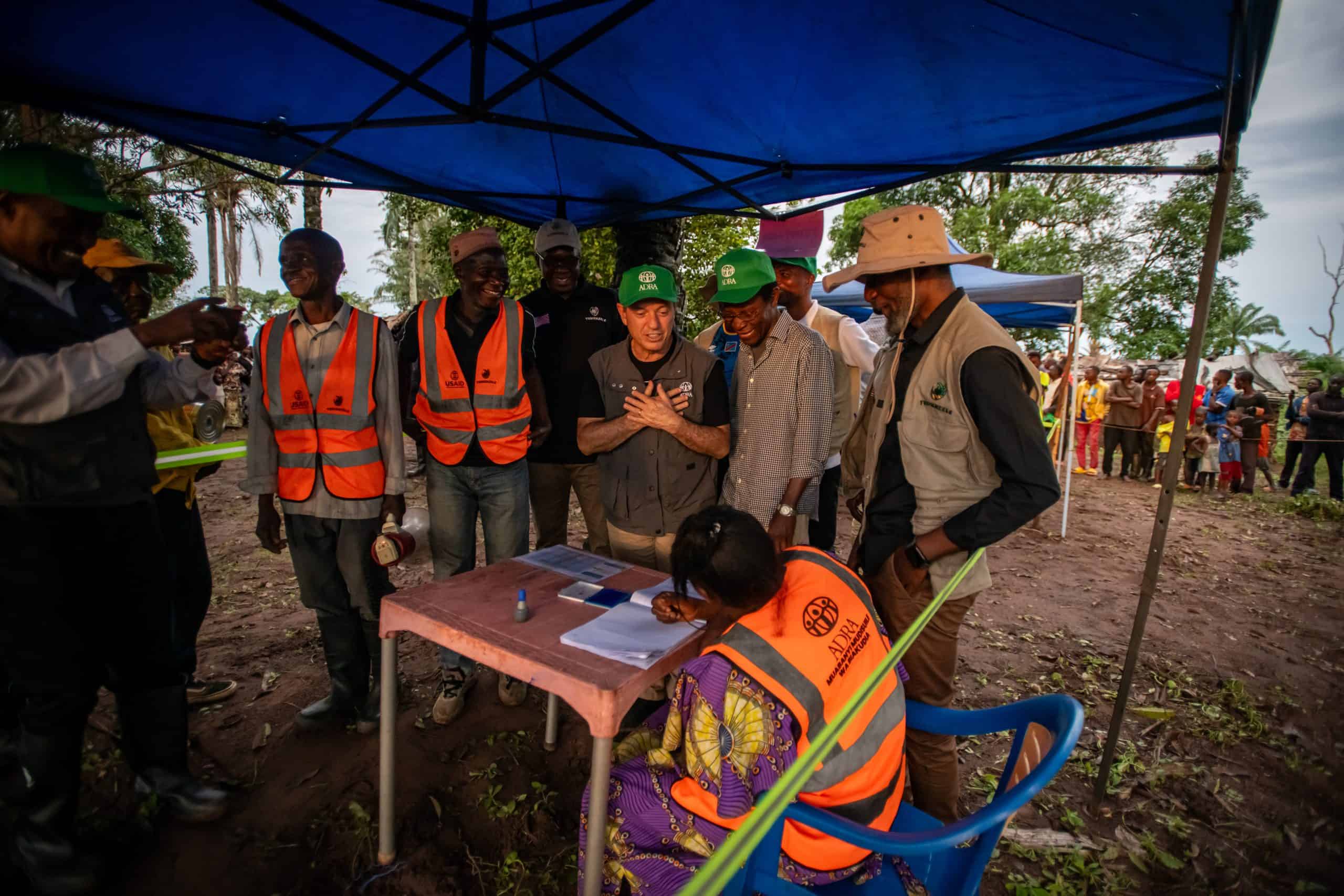
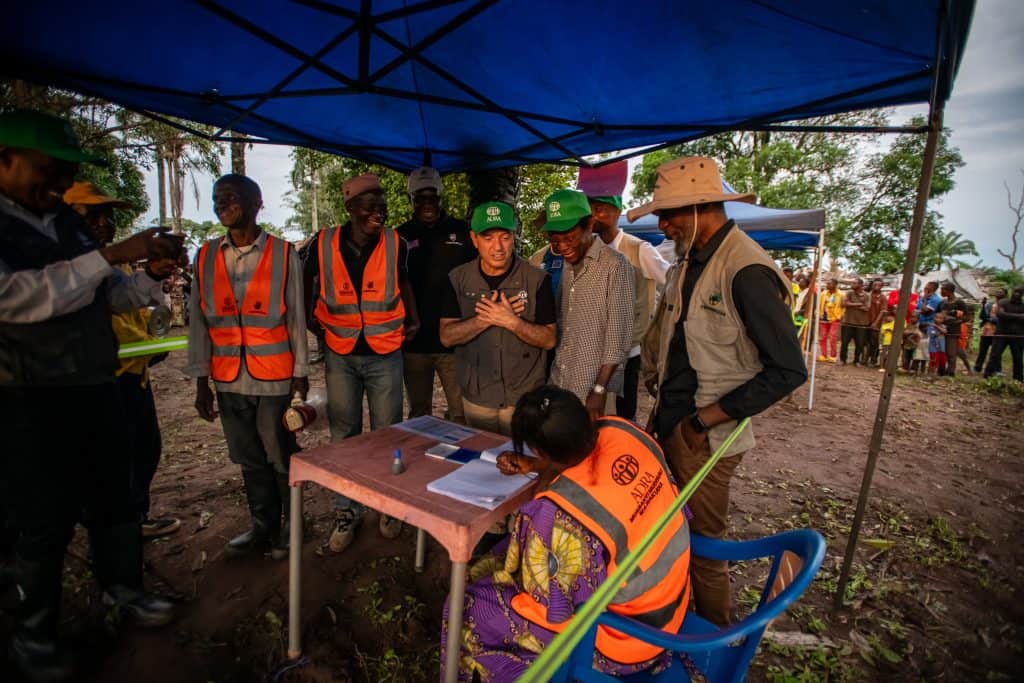
Bei ADRA leisten wir Nothilfe, weil die Menschen jetzt Hilfe brauchen. Aber wir investieren auch in die langfristige Entwicklung, in lokal geführte Lösungen, in die Art von Arbeit, die die Macht an die Gemeinschaften zurückgibt, anstatt Abhängigkeiten zu schaffen. Diese Verlagerung von der Nothilfe zur Wiederherstellung, von der Wohltätigkeit zur Gerechtigkeit, ist keine Abkehr von der Barmherzigkeit. Es ist erwachsene Barmherzigkeit.
Was die Aktion tatsächlich erfordert
Ich will ehrlich zu Ihnen sein: Mitgefühl mit Taten zu verbinden ist schwieriger, als es klingt. Es bedeutet, engagiert zu bleiben, wenn das Problem nicht schnell gelöst wird. Es bedeutet, den Gemeinschaften zuzuhören, anstatt anzunehmen, dass wir wissen, was sie brauchen. Es bedeutet, sich unserem eigenen Unbehagen zu stellen, wenn das, was wir sehen, unsere Annahmen darüber, wie die Welt funktioniert, in Frage stellt.
Es bedeutet auch, zu akzeptieren, dass Gerechtigkeit nicht ein einziger dramatischer Akt ist. Sie setzt sich aus Tausenden von alltäglichen Entscheidungen zusammen: ob wir immer wieder auftauchen, ob wir wahrheitsgemäße Geschichten über die Menschen erzählen, denen wir dienen, ob wir unsere Stimme für diejenigen erheben, die selten gehört werden.
Ich bin Brasilianer. Ich bin mit dem Wissen um tiefe Ungleichheit aufgewachsen, und das hat mich geprägt. Es gab mir die hartnäckige Hoffnung, dass die Dinge anders werden können. Nicht durch Wut, sondern durch die treue, beharrliche Arbeit von Menschen, die glauben, dass Gottes Vision für die Menschheit besser ist als das, womit wir uns so oft zufrieden geben. Diese Hoffnung, behutsam und unter Gebet aufrechterhalten, ist das, was Gerechtigkeit in der Praxis ausmacht.
Eine Einladung an beide
Ich fordere Sie nicht auf, das Mitgefühl aufzugeben. Bitte hören Sie mir zu: Die Welt braucht mehr davon, nicht weniger. Wärme ist wichtig. Großzügigkeit ist wichtig. Der Impuls zu helfen, wenn Sie sehen, dass jemand Probleme hat. Ehren Sie diesen Impuls und folgen Sie ihm.
Aber lass dich vom Mitgefühl leiten. Lassen Sie es Fragen aufwerfen, an die Sie gar nicht gedacht haben. Es macht Sie neugierig auf die tieferen Ursachen. Erweitern Sie Ihren Interessenkreis über diejenigen hinaus, die Sie leicht erreichen können.
Die Worte Jesajas wurden an ein Volk geschrieben, das die Anbetung nicht aufgegeben hatte. Sie gingen immer noch nach den religiösen Regeln vor. Was sie verloren hatten, war die Verbindung zwischen ihrem Glauben und ihrem Handeln in der Welt. Der Aufruf des Propheten lautete nicht, mehr zu fühlen. Es ging darum, anders zu handeln.
Gerechtigkeit ist für uns, die wir behaupten, einem Gott zu folgen, der, wie die Heilige Schrift sagt, die Gerechtigkeit liebt, keine Option. Sie ist die natürliche Erweiterung all dessen, was wir über den Wert des Menschen und den Charakter Gottes glauben.
Lasst uns also mitfühlend sein. Lasst uns auch mutig sein. Lasst uns unsere Zärtlichkeit bis zu dem Ort tragen, an dem sie zur Tat wird, und beobachten, was Gott von dort aus tut.