Im Laufe des Projekts wurden insgesamt 202,36 kg Karottensamen an 10.118 Haushalte im Gebiet Kamonia verteilt. Die Haushalte pflanzten das Saatgut im Dezember 2021 mit den im Rahmen des BUREKA-Projekts bereitgestellten Geräten ein.
Die Landwirte wandten die an den Demonstrationsstandorten gewonnenen Erkenntnisse an, darunter die richtige Bodenvorbereitung, das Mulchen, das Pflanzen in Reihen, das Jäten und die rechtzeitige Ernte. Diese Praktiken halfen den Familien, das Beste aus ihren kleinen Parzellen zu machen und gleichzeitig Vitamin-A-reiche Kuroda-Möhren anzubauen.
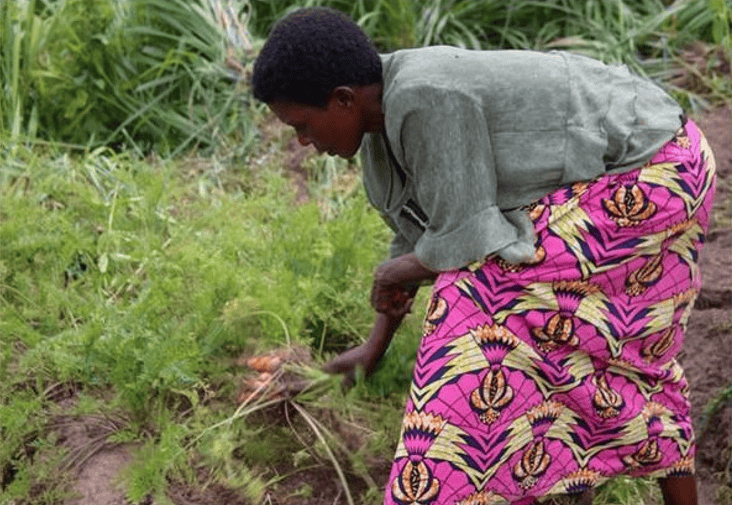
Die Haushalte ernteten Karotten auf ihren Feldern. Obwohl die Mengen nicht groß waren, trug diese durch das BUREKA-Projekt eingeführte Vitamin-A-reiche Pflanze dazu bei, den Zugang zu Nahrungsmitteln zu verbessern, ein gewisses Einkommen zu erzielen und die Beziehungen zur Gemeinschaft zu stärken. Da es sich um eine neue Kulturpflanze in der Region handelt, wurden Karotten auch zu einem allgemeinen Gesprächsthema unter den Gemeindemitgliedern.
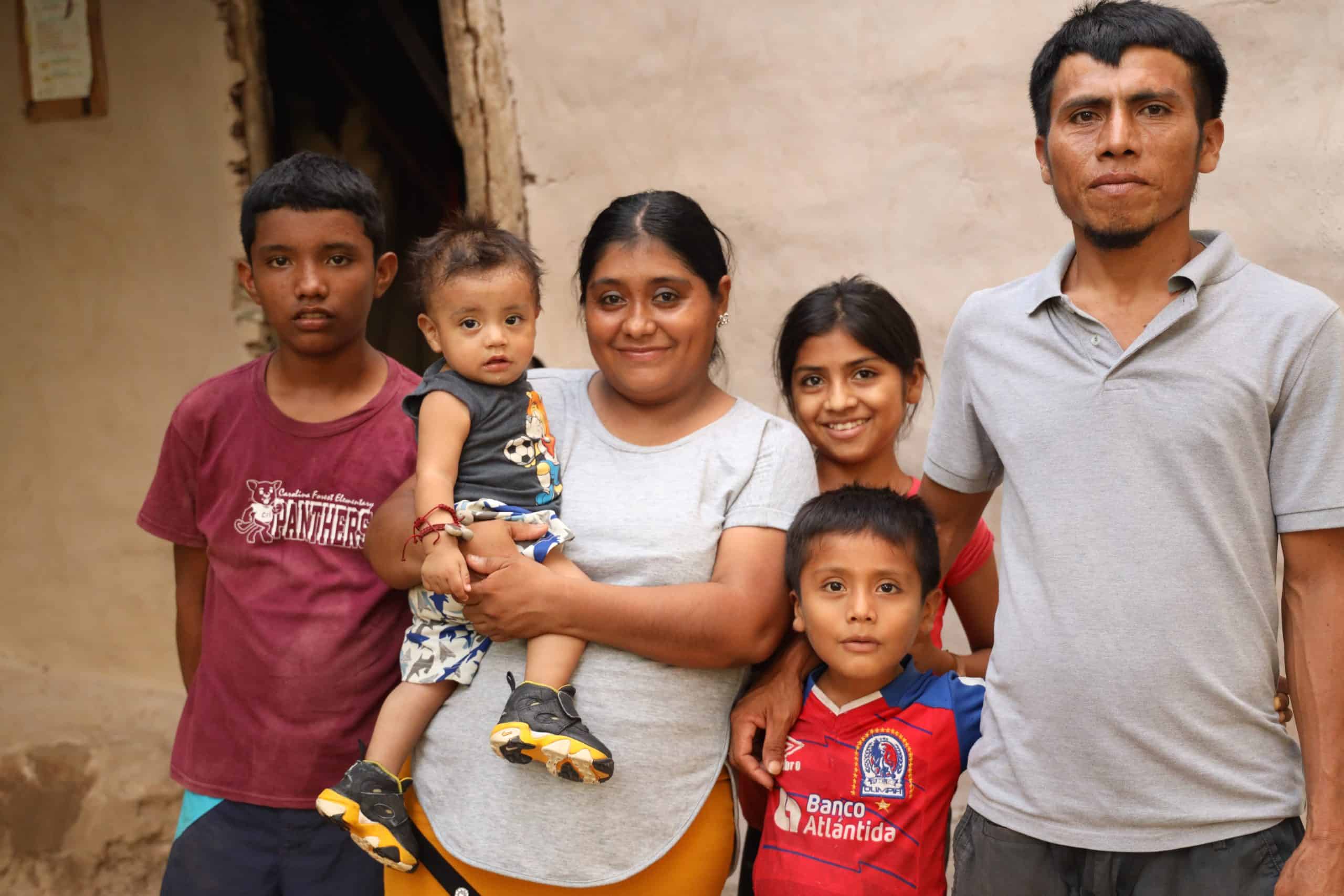
Die Familien begannen, einfache Rezepte mit Kohl und Karotten aus ihren eigenen Gärten zu kreieren, was dazu beitrug, dass alle - insbesondere die Kinder - Zugang zu frischen und nahrhaften Mahlzeiten hatten. Einige Haushalte verbesserten nicht nur ihre Ernährung, sondern verkauften auch zusätzliche Produkte, um ein Einkommen zu erzielen und andere Familienbedürfnisse zu decken.
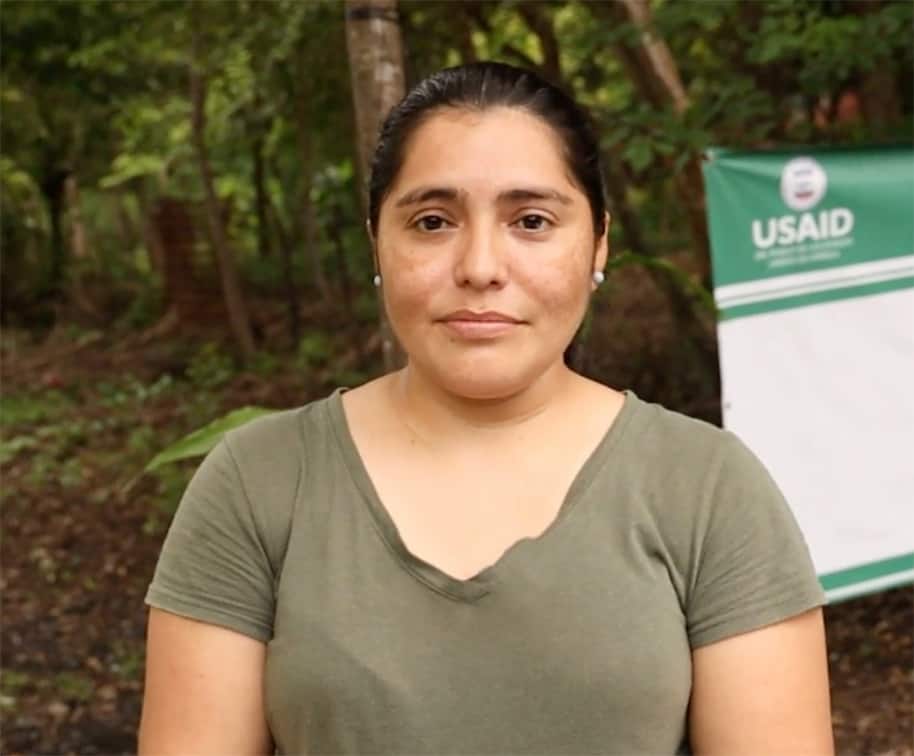
Elysee Yohan war wie viele andere von dem interethnischen Konflikt betroffen, der 2017 im Kamonia-Territorium ausbrach. Die aus dem Dorf Kamabwe stammende Frau floh mit ihrem Mann und ihren zehn Kindern vor der Gewalt und ließ alles zurück, was sie besaßen. Die Familie suchte Zuflucht im Wald von Luangatshima.
Die Erinnerung an diese Zeit rührt Elysee zu Tränen. Sie entkamen mit nichts als den Kleidern, die sie trugen.
“Das Leben im Wald war sehr hart für uns”, sagte sie. “Meine Kinder und ich waren ständig hungrig und hatten kaum Wasser zu trinken. Die kalten Nächte waren besonders für die Kinder beängstigend, und das Leben wurde unerträglich.”
Elysee versuchte, in den umliegenden Gemeinden Hilfe zu finden, aber viele Menschen hatten zu viel Angst, ihr zu helfen. Die Lebensmittel waren knapp, und ihre Kinder wurden oft krank und schwach.
Nach dem Konflikt kehrten Elysee und ihre Familie nach Kamabwe zurück, nur um festzustellen, dass sie nichts mehr hatten. Trotz der Herausforderungen arbeiteten sie und ihr Mann, der jetzt der Häuptling von Kamabwe ist, daran, ihr Leben wieder aufzubauen.
Sie begann mit der Subsistenzlandwirtschaft auf einem kleinen Stück Land, um ihre Familie zu ernähren. Sie sah sich jedoch mit vielen Herausforderungen konfrontiert, darunter ein Mangel an hochwertigem Saatgut, Werkzeugen und Wissen über landwirtschaftliche Praktiken.
Alles begann sich zu ändern, als Elysee im BUREKA-Projekt im Gesundheitsgebiet von Mukuandjanga identifiziert und registriert wurde. Im Rahmen des von ADRA durchgeführten Projekts erhielt sie Unterstützungspakete, darunter 20 Gramm Kuroda-Karottensamen, Anbaugeräte und Schulungen zum Gemüseanbau.
Elysee pflanzte das Saatgut und wandte das Gelernte an, einschließlich des Pflanzens in Reihen, des rechtzeitigen Jätens und des richtigen Erntens.
Nach 12 Wochen harter Arbeit erntete sie 125 kg Karotten. Als Mutter von 10 Kindern war sie überrascht und überglücklich zugleich. In ihrer Gemeinde waren noch nie Karotten angebaut worden, und sie war stolz auf das, was sie erreicht hatte.
“Ich kann meine Freude über diese reiche Ernte nicht in Worte fassen”, sagte sie. “Mein Mann und ich können nun unsere Kinder mit gesunden Lebensmitteln versorgen.”
Die Auswirkungen gingen über ihren Haushalt hinaus. Elysee teilte mit, dass die Karotten nicht nur ihrer Familie Freude bereitet haben, sondern auch der ganzen Gemeinde. Ihre Familie isst Karotten gerne mit Kohl und Fufu, und die Nachbarn sind neugierig auf die neue Kultur geworden. Einige haben um Proben gebeten, um sie zu Hause zu probieren, während andere lernen wollen, wie sie selbst Karotten anbauen können.
Elysee erzählte auch, dass sie seit ihrer Ernte neue Kontakte zu Menschen geknüpft hat, die daran interessiert sind, zu lernen, wie man im Kamonia-Territorium Karotten anbaut.
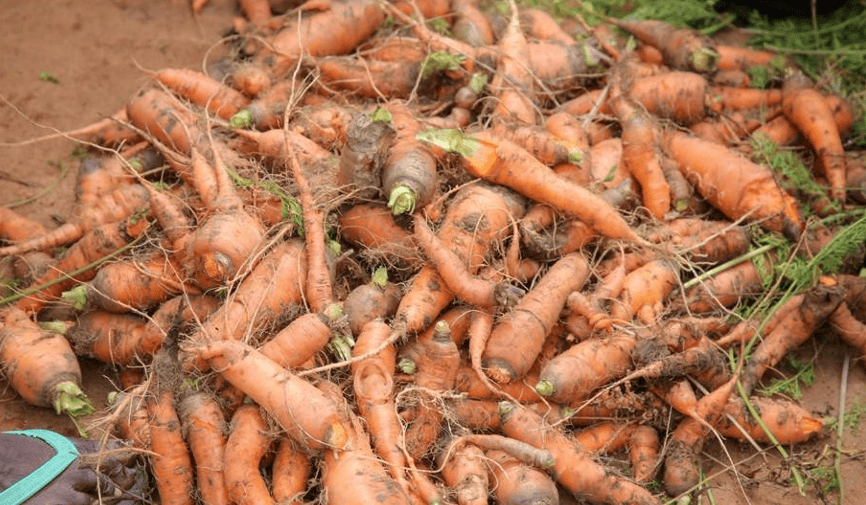
Wie viele andere Begünstigte hat sich auch Elysee für die Aufnahme von Karotten in die täglichen Mahlzeiten eingesetzt, nachdem sie die positiven Auswirkungen auf die Ernährung ihrer Familie gesehen hatte. Sie teilte mit, dass die Karotten nicht nur dazu beigetragen haben, die Unterernährung in der Gemeinde zu verringern, sondern auch für zusätzliches Einkommen gesorgt haben, um Ausgaben wie Schulgebühren und medizinische Versorgung zu decken.