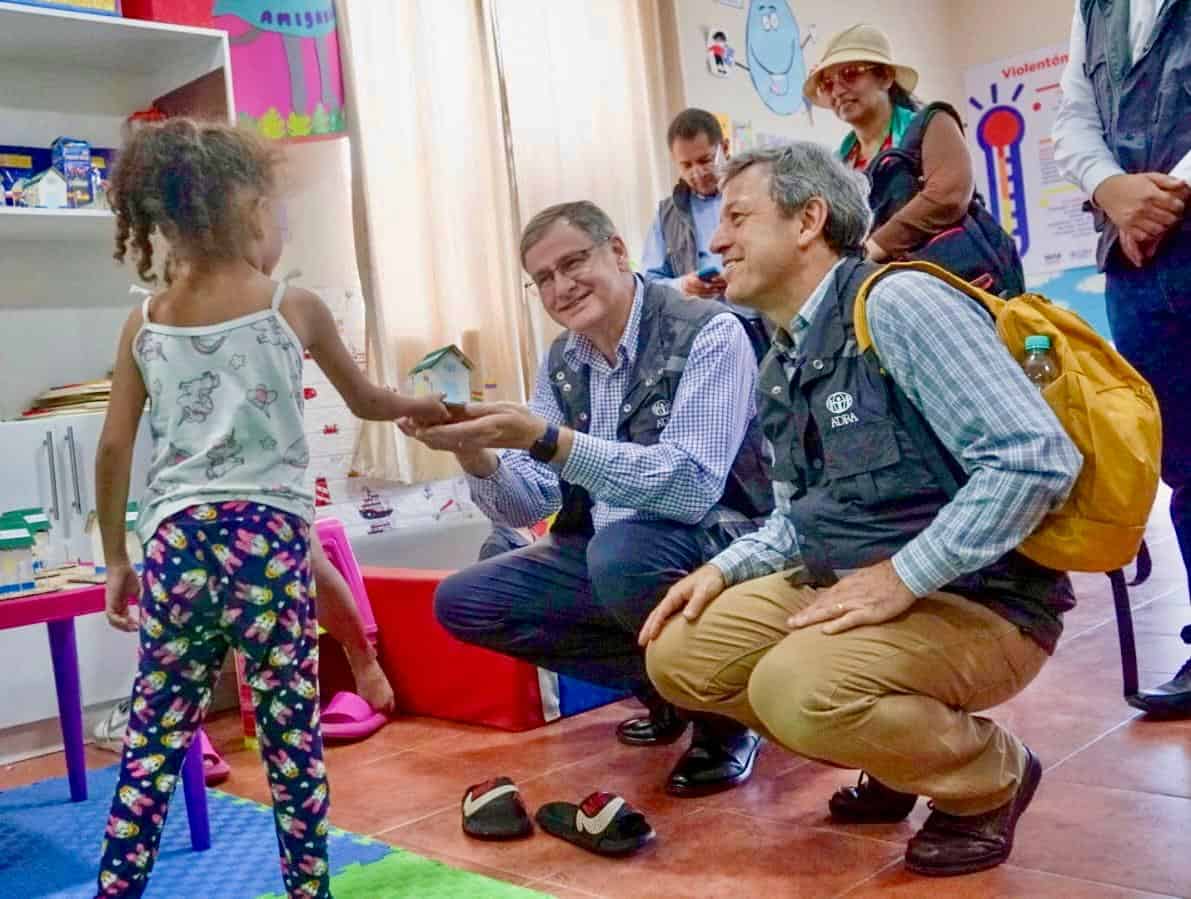
За три десятилетия моей гуманитарной деятельности одна истина стала кристально ясной: любовь говорит на всех языках.
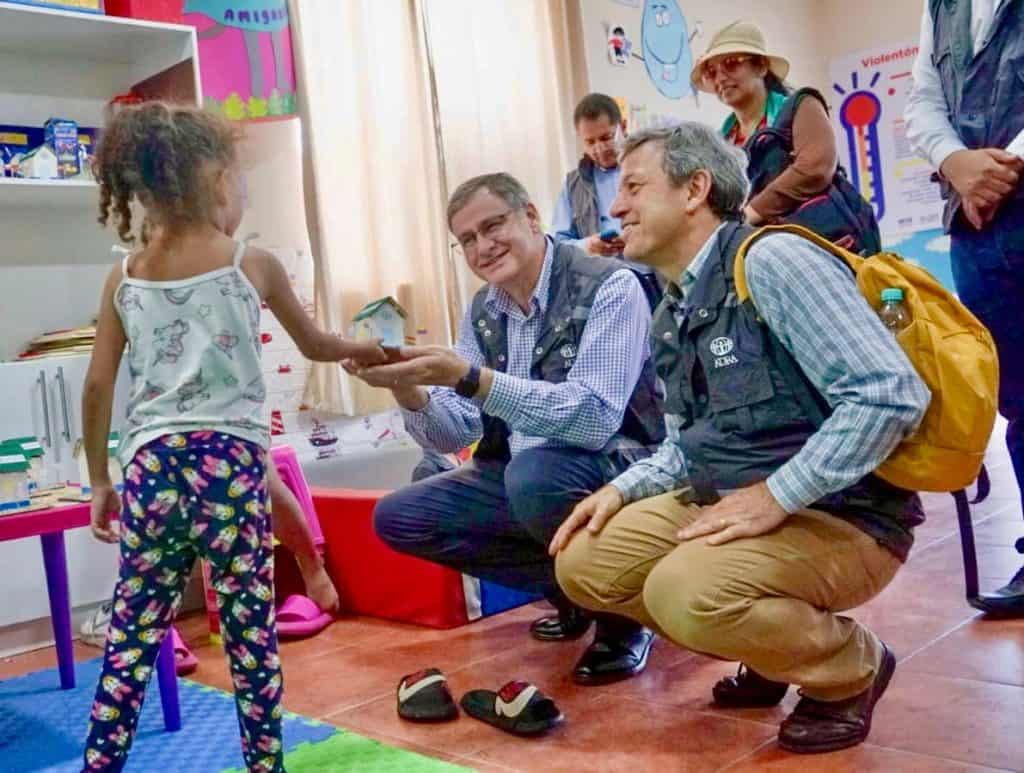
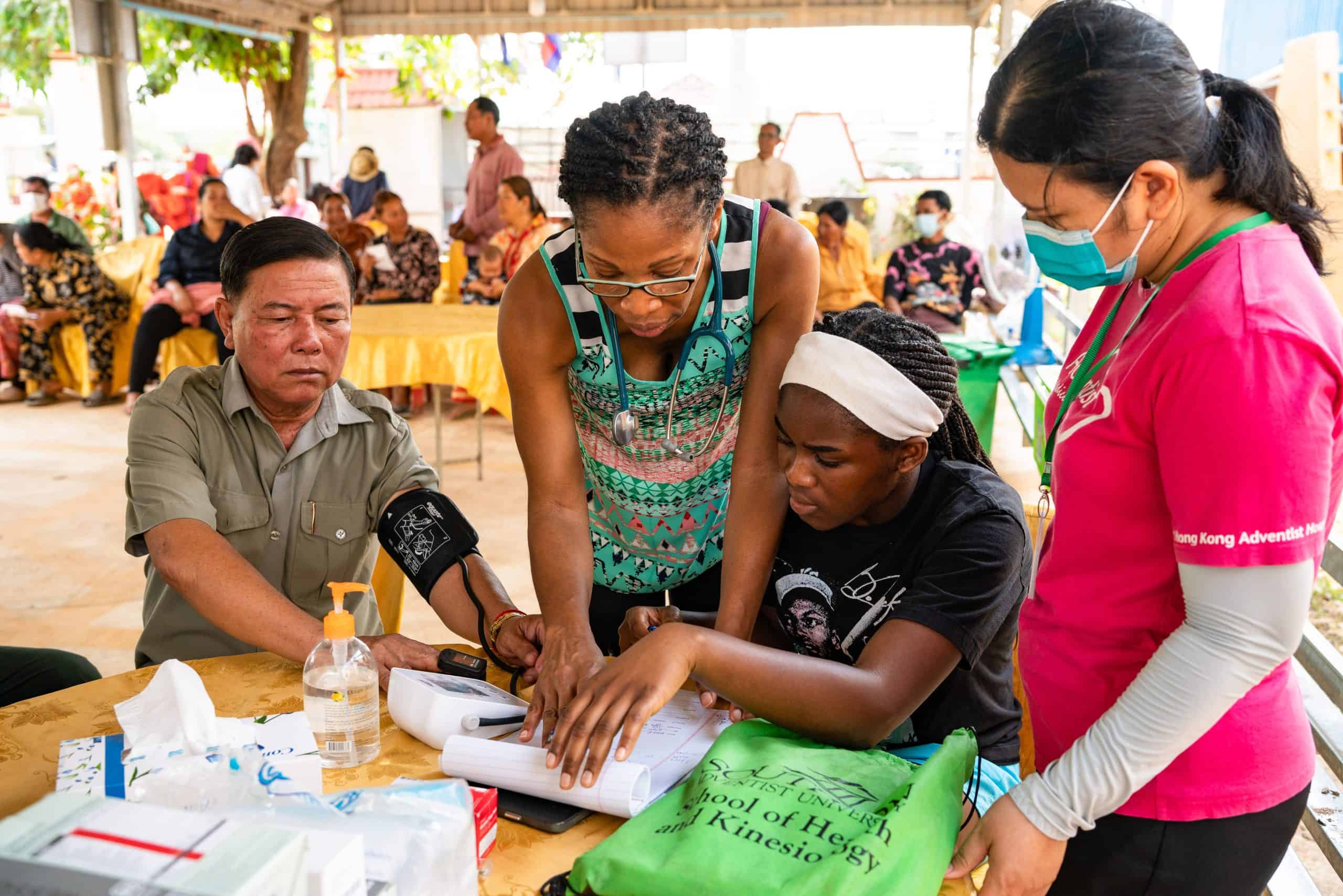
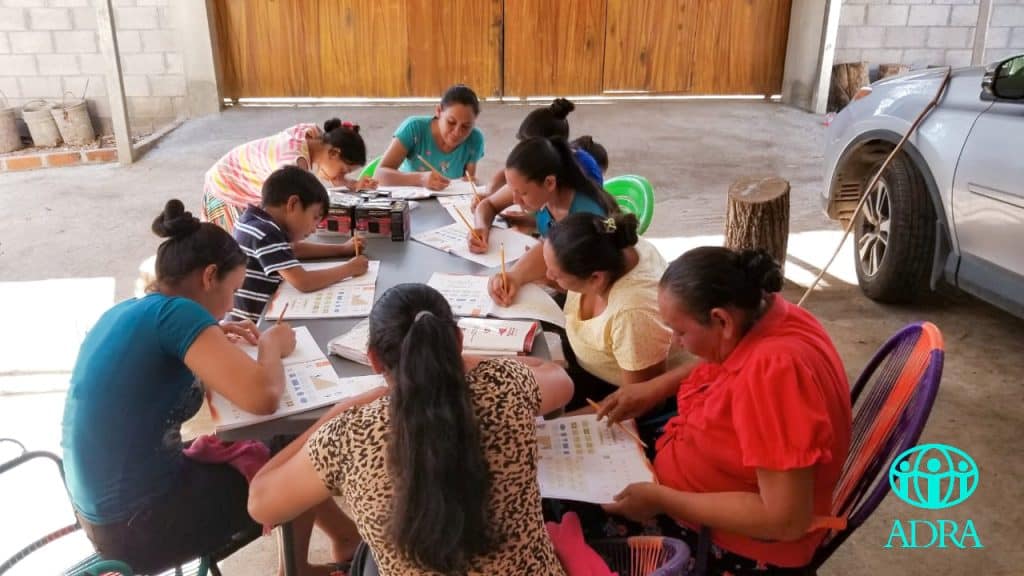
ADRA работает более чем в 120 странах, обучая фермеров на Мадагаскаре, обучая грамотности в Сальвадоре, обеспечивая доступ к здравоохранению на Филиппинах, реагируя на чрезвычайные ситуации в каждом уголке мира и многое другое. Независимо от того, где мы работаем и на каком языке говорим, сострадание не нуждается в переводе. Нежная рука на плече, совместная трапеза, чистая вода - эти действия преодолевают все границы и пределы.
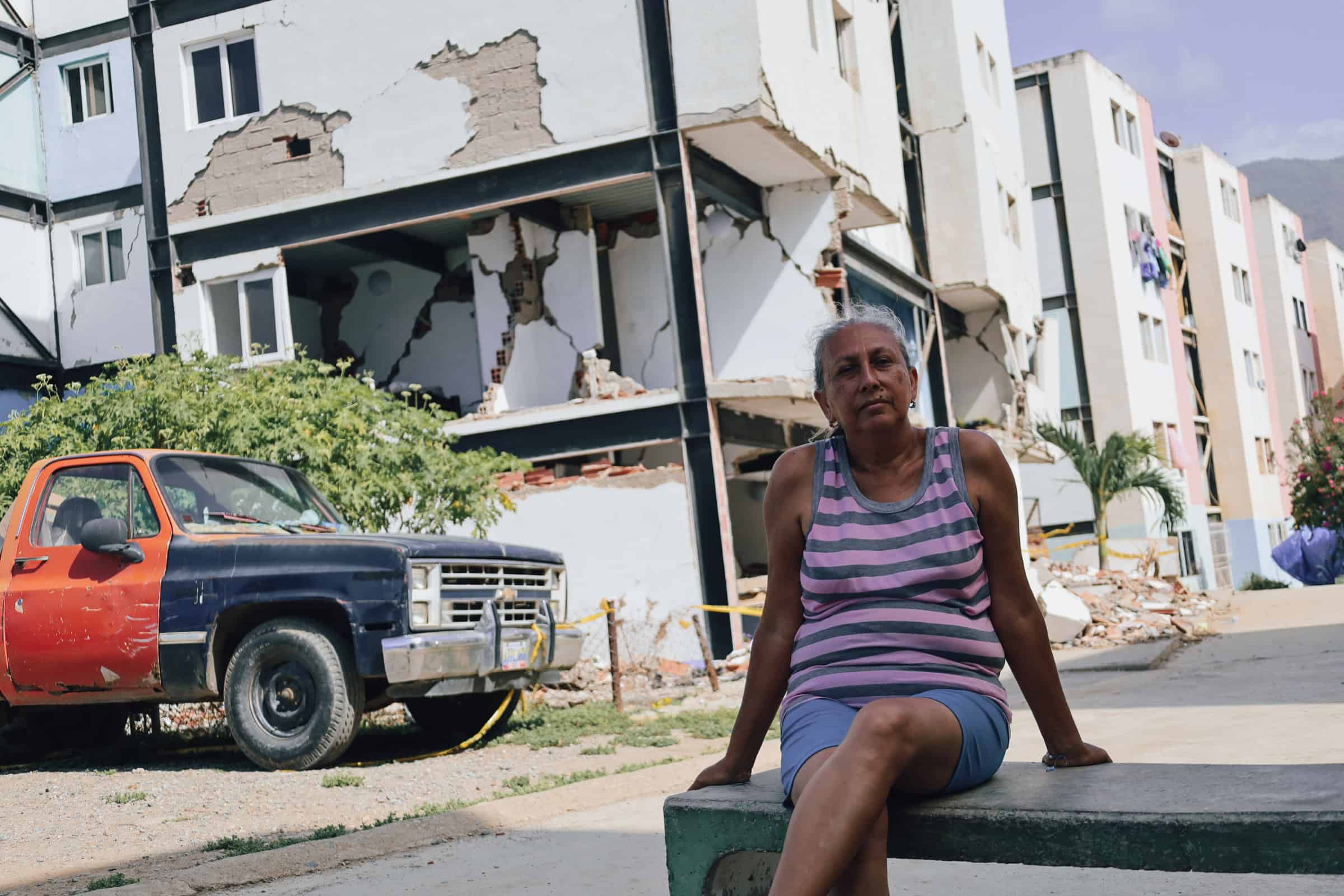
Любовь в действии выглядит удивительно одинаково, где бы вы ни находились - в деревне без электричества или в городе, восстанавливающемся после катастрофы. Детали меняются, но сердце остается неизменным.
За пределами географии
Писание напоминает нам, что “мы любим, потому что Он первый возлюбил нас” (1 Иоанна 4:19). Это не просто прекрасное богословие, это основа всемирного сострадания. Когда мы по-настоящему осознаем, как щедро, как безусловно нас возлюбил Бог, географические границы становятся неважными. Культурные различия исчезают. Языковые барьеры рушатся. Мы начинаем видеть то, что всегда видел Бог: Его образ, отраженный в каждом лице, независимо от паспорта или почтового индекса.
Это то, что движет нашей работой в АДРА. Мы пересекаем континенты не для того, чтобы стать героями или спасителями. Мы едем, потому что призваны служить человечеству, чтобы все могли жить так, как задумал Бог, - с достоинством, возможностями и надеждой. Неважно, реагируем ли мы на чрезвычайные ситуации или инвестируем в долгосрочное развитие, мы просто передаем то, что получили первыми.
Парадокс служения
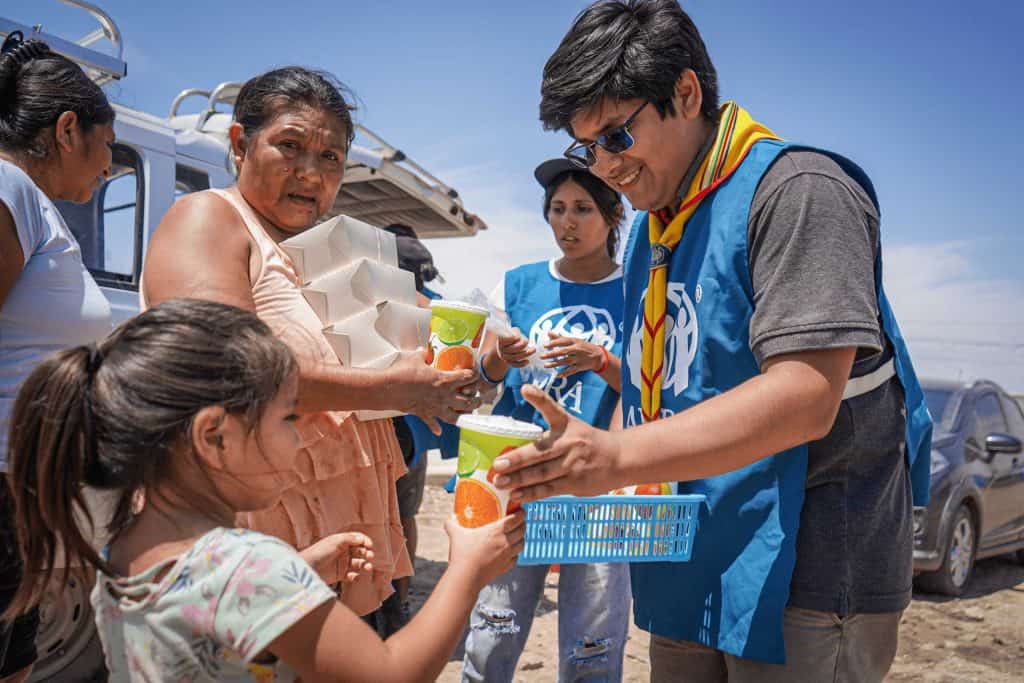
Вот чему меня научили десятилетия гуманитарной работы: чем больше вы отдаете, тем больше убеждаетесь, что на самом деле вы не отдаете. Вы участвуете. Вы присоединяетесь к движению сострадания, которое началось задолго до вашего прихода и будет продолжаться еще долго после вашего ухода.
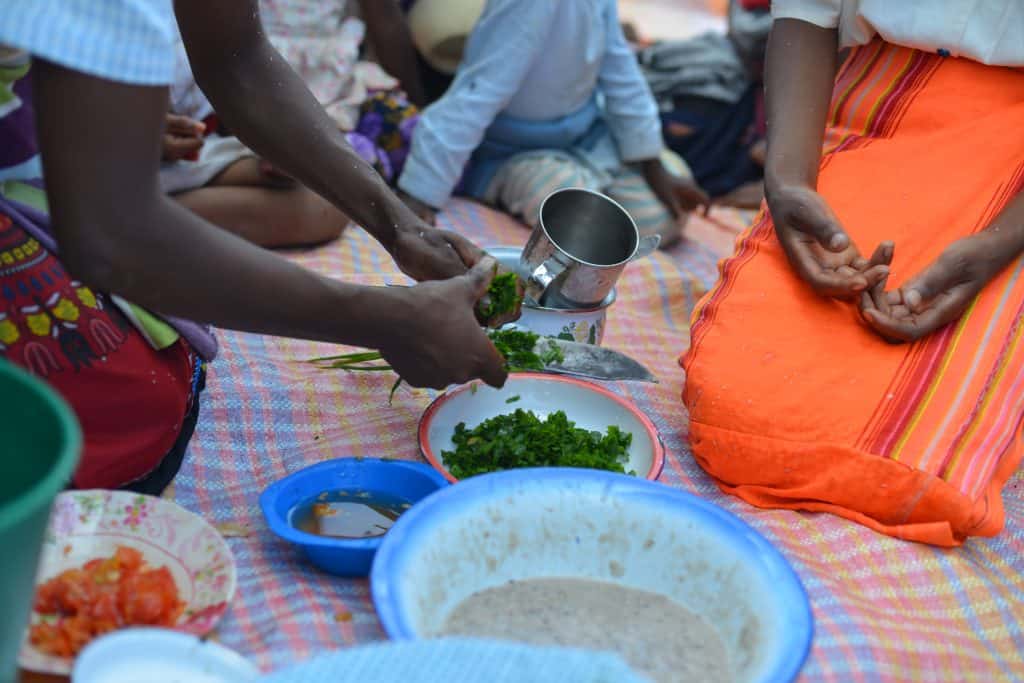
Каждый акт служения, будь то обеспечение чистой водой, предоставление образования, помощь в случае стихийных бедствий или создание экономических возможностей, становится нитью в большом гобелене любви, охватывающем весь мир. Наши команды не просто приносят ресурсы, они приносят присутствие. Они остаются. Они слушают. Они узнают имена, делятся едой и празднуют маленькие победы, потому что это и есть любовь.
Люди, которым мы служим, - это не проекты, которые нужно завершить, и не проблемы, которые нужно решить. Они - наши соседи в самом прямом смысле: носители образа Божьего, которые заслуживают того, чтобы их видели, знали и ценили. Когда община получает доступ к чистой воде, мы празднуем не потому, что обеспечили ее, а потому, что семьи становятся здоровее, дети могут посещать школу, а не ходить за водой за километр, и жизнь становится чуть более похожей на то, что всегда было задумано Богом.
Призван к большему
Михей 6:8 призывает нас “поступать справедливо, любить милость и смиренно ходить с Богом твоим” (NIV). Обратите внимание, что в тексте не уточняется. где чтобы делать такие вещи. Это не ограничивает наше сострадание нашим районом, нашей нацией или нашим племенем. Призыв универсален, потому что универсальна Божья любовь.
Это приглашение, стоящее перед нами: позволить нашей любви пересечь границы, которые бы ее не сдерживали. Признать, что ребенок, страдающий в стране, которую мы никогда не посетим, имеет такое же значение, как и ребенок в соседнем доме. Понять, что, служа уязвимым людям в любом месте, мы служим Самому Христу, как обещает 25-я глава Евангелия от Матфея.
В мире, который все больше определяется стенами и разделениями, такое безграничное сострадание кажется радикальным. Но так и должно быть. Это просто то, что происходит, когда мы серьезно относимся к повелению любить так, как нас возлюбили.
Надежда без границ
Это надежда, которую я несу: любовь остается самой мощной силой, способной разрушить барьеры. Когда мы выбираем сострадание вместо безразличия, когда мы позволяем милосердию направлять наши руки через любые границы, мы не просто меняем обстоятельства. Мы отражаем сердце Бога для всего мира.
Мы заявляем, что ни один человек не является слишком далеким, чтобы иметь значение. Ни одна община не может не заботиться о нас. Ни один кризис не выводит человека из круга нашей заботы.
Это любовь без границ. Это глобальное сострадание. Это гуманитарная деятельность в ее лучшем проявлении, и этот язык понятен каждому.