Según Human Rights Watch, 273 millones de niños en el mundo no van a la escuela. Se trata de una cifra aleccionadora que nos lleva a preguntarnos por qué.
No es porque no quieran aprender. No es porque la educación no importe a sus familias. Y no es porque carezcan de potencial o inteligencia.
Los niños se quedan fuera de las aulas por barreras que no tienen nada que ver con su capacidad o su deseo de aprender: barreras como la guerra, la pobreza, el hambre y la discriminación. Barreras que roban futuros antes incluso de que empiecen.
Pero esto es lo que nos da esperanza: estas barreras no son insuperables. Cuando organizaciones como ADRA trabajan con las comunidades para abordar las causas que impiden que los niños vayan a la escuela, ocurren cosas extraordinarias. Niños que antes no tenían acceso a la educación prosperan en las aulas. Niñas que se enfrentaban a obstáculos imposibles se gradúan y persiguen sus sueños. Niños refugiados que lo perdieron todo encuentran estabilidad y esperanza a través del aprendizaje.
Conocer los principales obstáculos a la educación en los países en desarrollo es el primer paso para eliminarlos. Veamos qué impide realmente que los niños vayan a la escuela, qué se está haciendo para cambiar esa realidad y cómo puedes ayudar.
En este post, vamos a cubrir:
- Cómo los conflictos y los desplazamientos privan a los niños de años de educación
- Por qué la pobreza extrema obliga a las familias a elegir entre la escuela y la supervivencia
- La conexión entre hambre y aprendizaje (y lo que consiguen los programas de alimentación escolar)
- Las singulares barreras a las que se enfrentan las niñas y cómo la educación transforma sus vidas
- Qué significan la distancia, el idioma y otros obstáculos para los niños vulnerables
Barrera #1: Conflictos y desplazamientos
Cuando la guerra arrasa una comunidad, la escuela suele ser lo primero que pierden los niños. No sólo faltan a clase, sino que huyen para salvar sus vidas.
Venancia conoce esta realidad mejor que la mayoría. A sus 18 años, es una refugiada de la República Democrática del Congo que ahora vive en Uganda. Cuando ella y su madre escaparon de la violencia, todos sus hermanos habían muerto en diferentes momentos del conflicto. Una bala perdida le costó una pierna a Venancia, que tuvo que ser amputada por debajo de la rodilla. Su madre falleció después de que se pusieran a salvo.
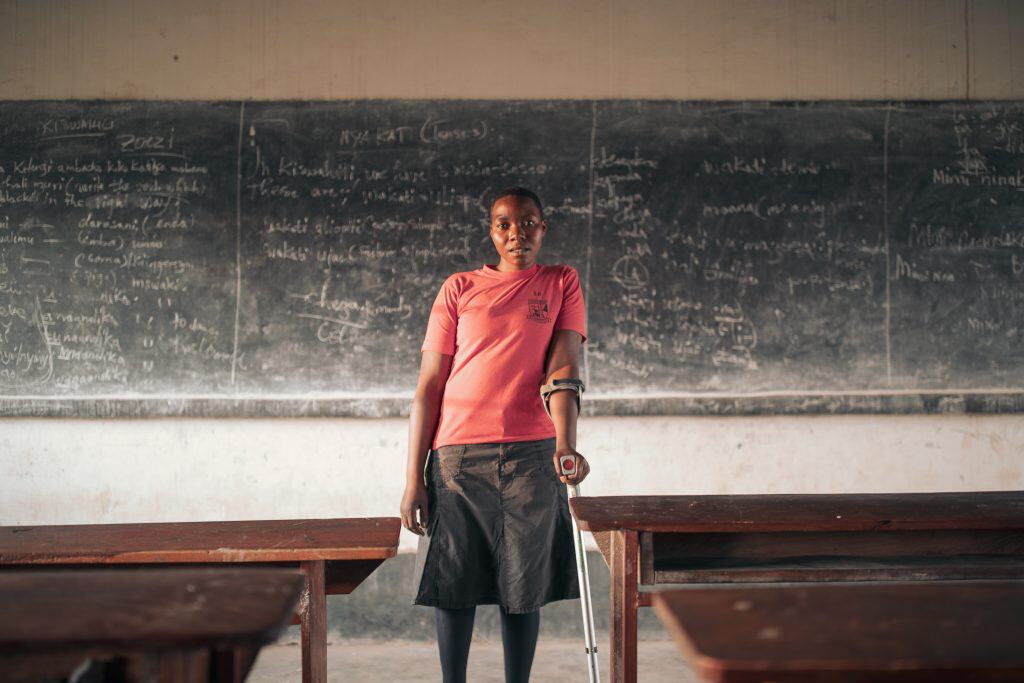
Al quedarse sola en un asentamiento de refugiados con una discapacidad, haber perdido meses de escuela y enfrentarse a un cambio lingüístico total del francés al inglés, Venancia tenía todos los motivos para renunciar a la educación.
En cambio, se convirtió en su salvavidas.
“Prefiero aprender inglés que volver al Congo y arriesgar mi vida”, dice. Hoy, Venancia vive en la residencia de su escuela. Sus compañeros son su familia. Y la educación es lo que le queda: los cimientos del futuro que está construyendo.
“La educación es importante porque puedo empoderarme. Quiero ser médico. Quiero ayudar a los refugiados y a los discapacitados como yo”.”
Lea la historia completa de Venancia →
Cómo aborda ADRA el conflicto como obstáculo
En los asentamientos de refugiados de Uganda y otros países, ADRA ofrece programas educativos diseñados específicamente para niños que han huido de la violencia. Esto incluye:
- Escuelas y centros de aprendizaje en los asentamientos de refugiados
- Apoyo pedagógico multilingüe para niños que aprenden nuevas lenguas
- Apoyo psicosocial para ayudar a los niños a superar traumas
- Entornos seguros y estables donde la educación pueda continuar a pesar del conflicto en curso en sus países de origen.
- Defensa del derecho a la educación de todos los niños refugiados
Para niños como Venancia, la escuela no es sólo una cuestión académica. Es protección. Es estabilidad. Es la esperanza de que existe un futuro más allá de la supervivencia.
Barrera #2: Pobreza extrema
Ahmed tiene 11 años y camina más de una hora en cada sentido para llegar al Centro de Aprendizaje de ADRA en Baalbek, Líbano. Es un refugiado sirio cuya familia huyó de la guerra hace una década. Hoy viven en una tienda improvisada construida con lonas y materiales de desecho, sin electricidad, con un único panel solar para cargar los teléfonos y agua que traen de los vecinos.
Durante las vacaciones escolares, Ahmed y sus hermanos trabajan en una granja de anacardos cercana para ayudar a pagar el alquiler de la pequeña parcela donde se asienta su tienda. La elección entre educación y supervivencia es un cálculo diario.
Esta es la realidad de los niños que viven en la pobreza extrema: las familias se enfrentan a una decisión imposible entre enviar a los niños a aprender o enviarlos a trabajar para que todos puedan comer.
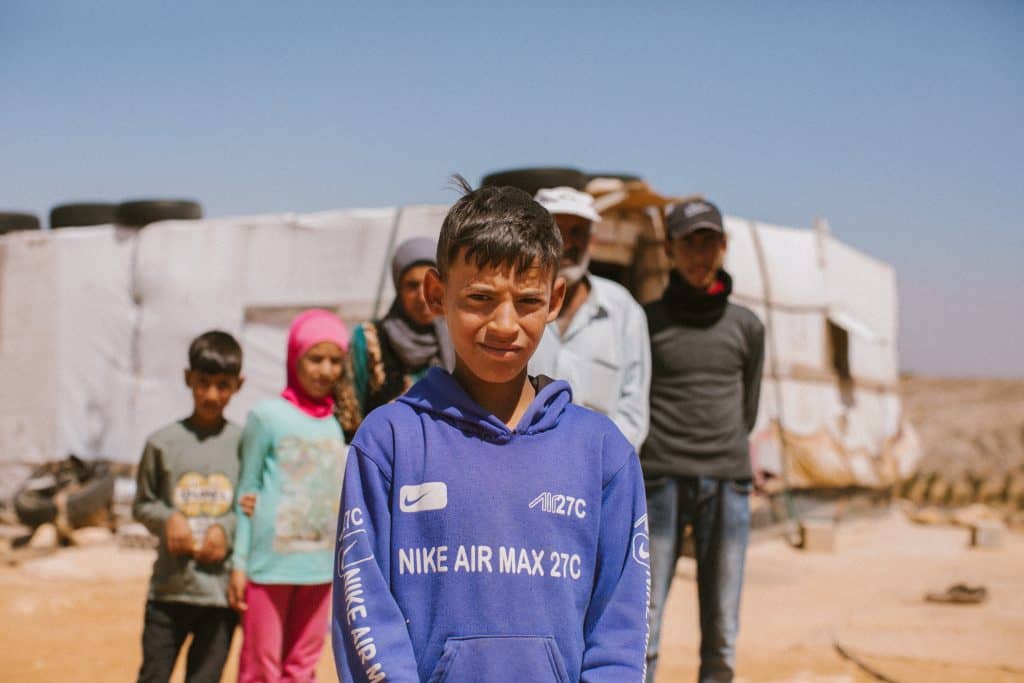
Lea la historia completa de Ahmed →
Según el Banco Mundial, la pobreza de aprendizaje ha aumentado en los países de renta baja y media, con 70% de niños de 10 años incapaces de comprender un texto escrito sencillo. Con un acceso limitado o nulo a la educación, estadísticas como éstas no harán más que crecer, lo que significa que la pobreza continuará en la próxima generación.
Cómo aborda ADRA la pobreza como obstáculo
El planteamiento de ADRA reconoce que no se puede separar la educación de la realidad económica de una familia:
- Centros de aprendizaje situados en o cerca de asentamientos de refugiados y comunidades pobres, lo que reduce el tiempo y los costes de desplazamiento
- Horarios flexibles en función de las responsabilidades de los niños con sus familias.
- Suministro de material escolar, uniformes y materiales para que el coste no sea un obstáculo.
- Integración con programas de subsistencia que ayuden a las familias a alcanzar la estabilidad económica
- Apoyo a toda la familia, no sólo al niño, para que la educación sea sostenible
La educación puede romper el ciclo de la pobreza, pero sólo si los niños pueden acceder a ella mientras sus familias siguen pasando apuros.
Barrera #3: Hambre y malnutrición
Intenta aprender álgebra cuando tengas el estómago vacío, o concéntrate en la lectura cuando no hayas comido desde ayer.
Para millones de niños de Mozambique y países vecinos, esto no es un escenario hipotético. Es una realidad cotidiana.
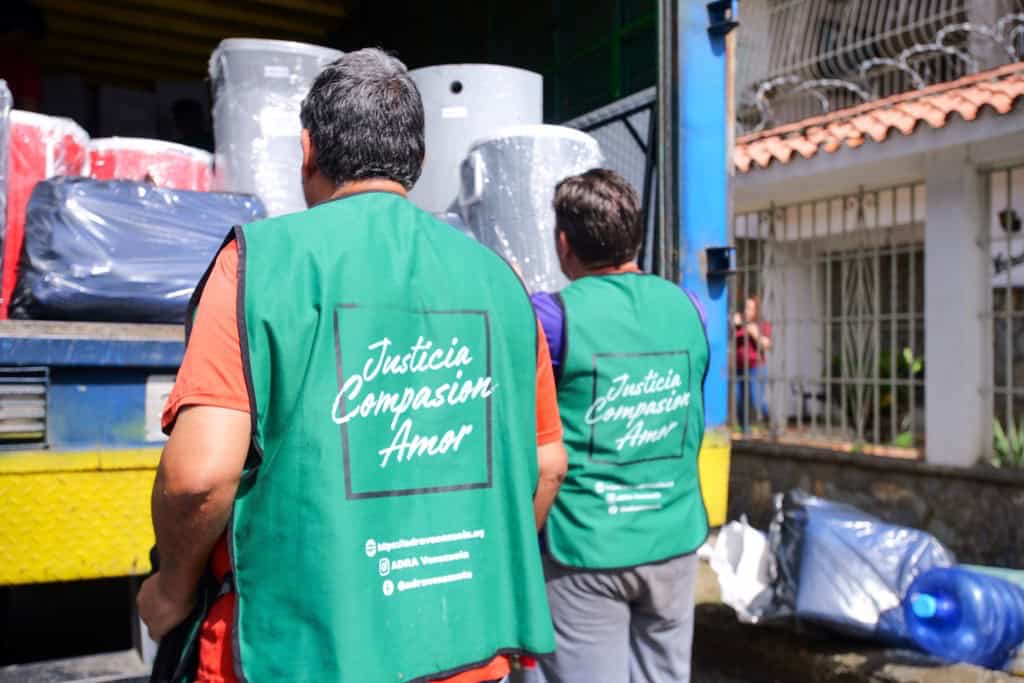
ADRA no acepta que ningún niño tenga que elegir entre la escuela y la comida. Por eso hemos trabajado para proporcionar a miles de escolares programas de alimentación escolar, garantizando que reciban la nutrición que necesitan para continuar su educación. Porque el hambre no sólo dificulta el aprendizaje. Lo hace imposible.
Las investigaciones demuestran que la desnutrición en la infancia afecta al desarrollo del cerebro, la concentración, la memoria y la capacidad de procesar nueva información. Según la Organización Mundial de la Salud, la privación nutricional crónica “suele provocar un retraso en el desarrollo mental, un bajo rendimiento escolar y una capacidad intelectual reducida”. Los niños con desnutrición crónica obtienen peores resultados académicos, faltan más días a clase por enfermedad, y tienen más probabilidades de abandonar los estudios.
Pero cuando los niños reciben comidas consistentes y nutritivas en la escuela, todo cambia. La asistencia mejora. Las notas mejoran. Las familias están más dispuestas a enviar a sus hijos a la escuela porque saben que comerán.
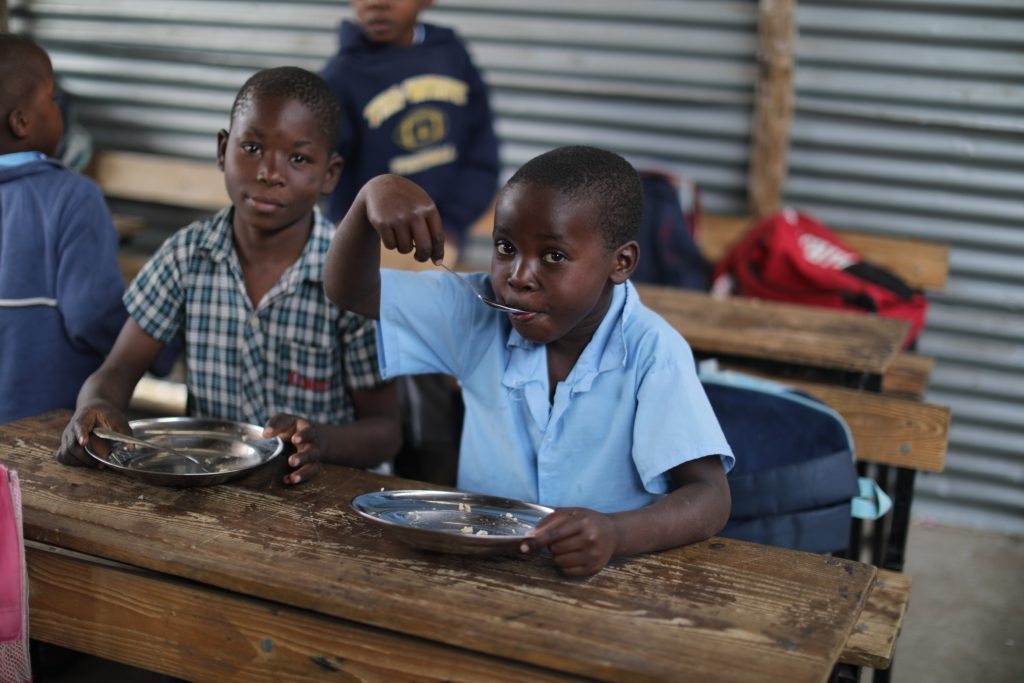
Cómo aborda ADRA el hambre como barrera
ADRA elimina el hambre como barrera mediante programas que proporcionan tanto apoyo inmediato como un cambio sostenible:
- Programas de alimentación escolar que proporcionan comidas a los alumnos, eliminando el hambre como obstáculo para el aprendizaje.
- Integración de la educación nutricional en los programas escolares
- Apoyo a los huertos escolares, donde los niños aprenden a cultivar alimentos, al tiempo que se mejoran los programas de nutrición escolar.
- Colaboración con las familias para abordar la seguridad alimentaria en el hogar mediante programas agrícolas
- Conexiones entre los programas de educación, salud y medios de subsistencia para un apoyo integral.
La relación entre un estómago lleno y un aula llena es innegable.
Más información sobre los programas de salud y nutrición de ADRA →
Barrera #4: Desigualdad de género
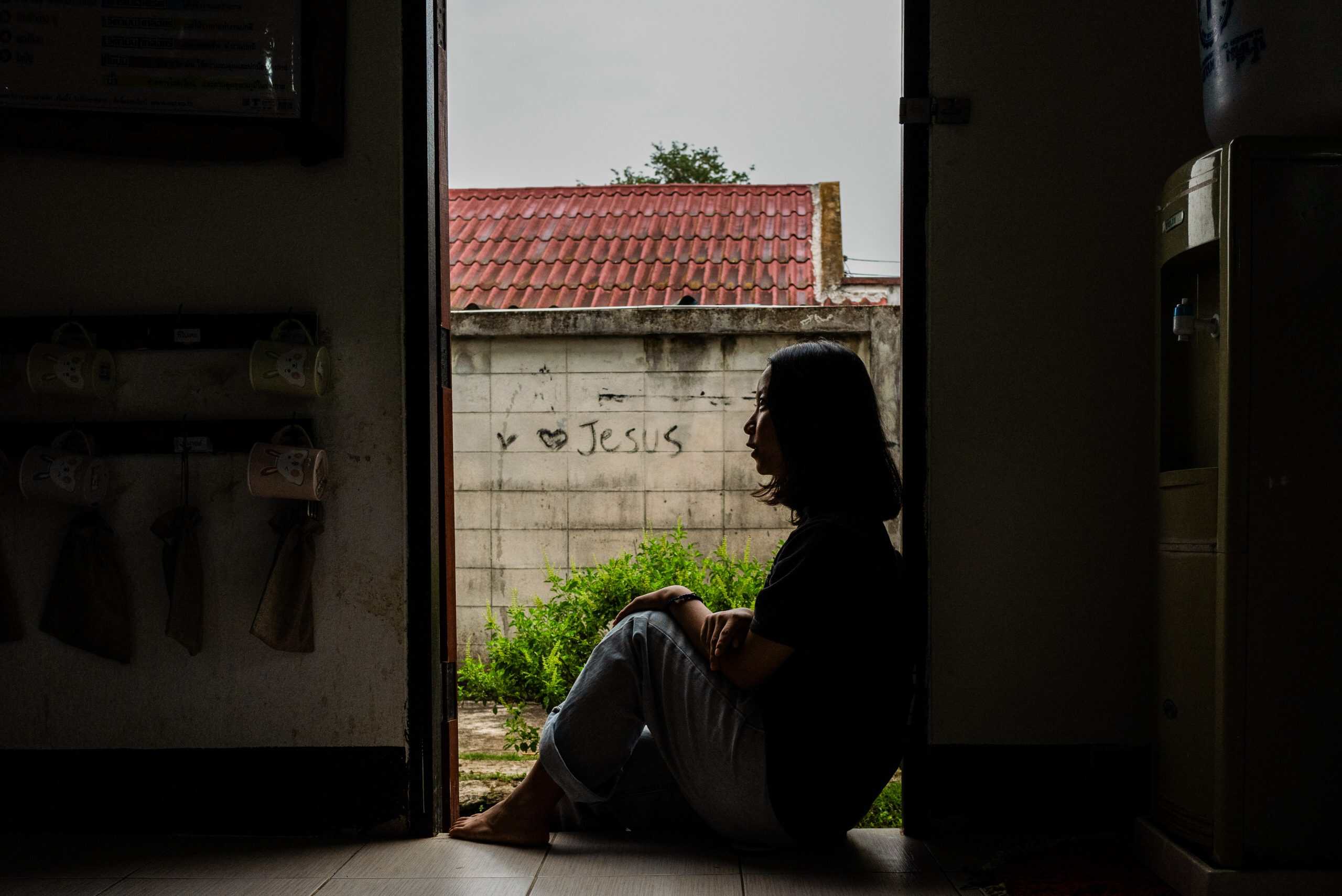
En los distritos rurales de Tailandia, las jóvenes de familias pobres se enfrentan a una realidad inquietante: sin educación ni oportunidades económicas, se convierten en blanco de los traficantes de personas que las atraen hacia la explotación sexual.
Niñas como las que ADRA atiende a través del programa Keep Girls Safe (KGS) se cuentan entre los niños más vulnerables del mundo. Muchas proceden de grupos étnicos minoritarios que viven en la pobreza a lo largo de la frontera entre Tailandia y Birmania. Sus familias trabajan como jornaleros y viven al día con sueldos humildes. Sin ciudadanía tailandesa ni oportunidades educativas, estas niñas corren un riesgo extremo.
¿Qué mantiene a salvo a las niñas? La educación.
A través de Keep Girls Safe, ADRA Tailandia ha proporcionado refugio a niñas en situación de alto riesgo y ofrece becas de educación a 100 mujeres jóvenes. El programa colabora con organismos gubernamentales, organizaciones locales y grupos comunitarios para concienciar y reducir la vulnerabilidad a la trata. Más de 200 niñas de entre 8 y 19 años han encontrado seguridad, educación y esperanza gracias a este programa.
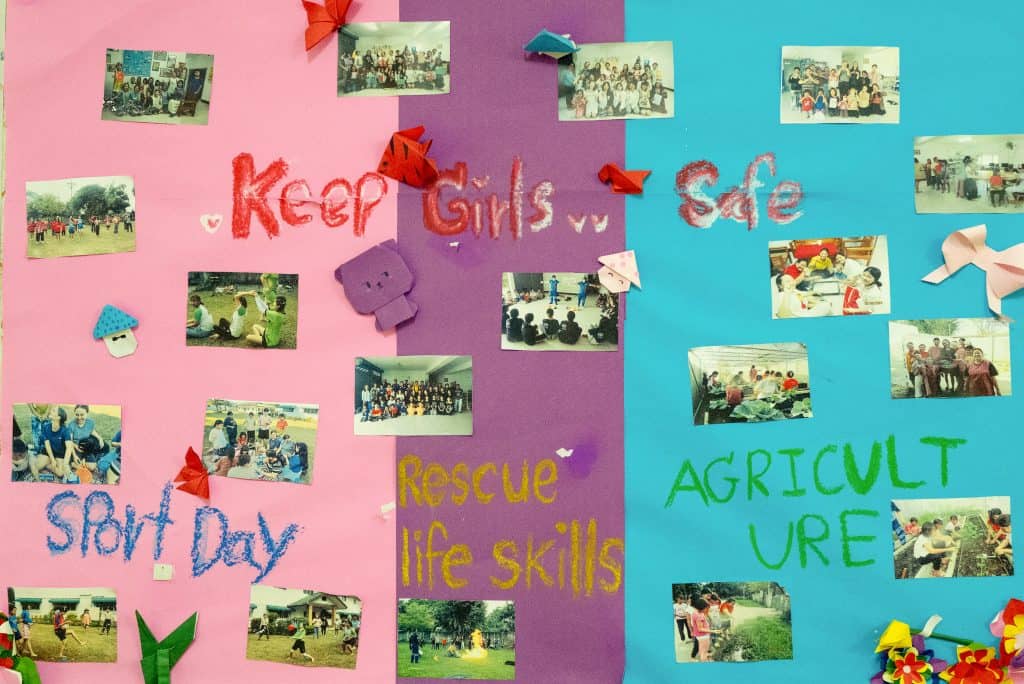
En todo el mundo, las niñas se enfrentan a barreras únicas para acceder a la educación que los niños sencillamente no encuentran. Estas barreras se entrecruzan y se agravan, creando situaciones imposibles:
- Riesgos de seguridad y explotación: Las niñas están más expuestas a la trata, el matrimonio precoz y la violencia sexual, especialmente en situaciones de pobreza y conflicto.
- Normas culturales: Muchas comunidades dan prioridad a la educación de los niños sobre la de las niñas, y consideran que el futuro de las niñas se centra en el matrimonio más que en la carrera profesional.
- Presión económica: Cuando la pobreza obliga a las familias a elegir qué hijos van a la escuela, a menudo se elige a los varones
- Responsabilidades domésticas: Las niñas soportan cargas desproporcionadas de trabajo doméstico y cuidado de los hijos
- Matrimonio precoz: Las expectativas de que las niñas se casen jóvenes hacen que la educación parezca innecesaria.
- Falta de instalaciones: La ausencia de baños separados y espacios seguros en las escuelas impide la asistencia de las niñas
Las estadísticas son contundentes. De los 739 millones de personas que no saben leer en el mundo, dos tercios son mujeres.. Más, las niñas tienen 1,5 veces más probabilidades que los niños de ser excluidas de la escuela primaria. Este acceso limitado a la educación aumenta el riesgo de las niñas no sólo de analfabetismo, sino también de matrimonio precoz, explotación, mala salud e inseguridad económica de por vida.
La historia de Venancia, la joven refugiada de la RDC que conocimos antes, demuestra cómo se entrecruzan estas barreras. Huyó de la guerra, perdió a su familia, sobrevivió a una amputación, se enfrentó a barreras lingüísticas y ahora vive sin su madre. Como niña refugiada discapacitada, arrastra múltiples capas de vulnerabilidad. Sin embargo, la educación se convirtió en su refugio, su protección y su camino a seguir.
Cómo aborda ADRA la desigualdad de género como barrera
El enfoque de ADRA reconoce que para proteger a las niñas mediante la educación es necesario abordar las causas profundas de la vulnerabilidad:
- Programa Keep Girls Safe (Tailandia), que proporciona refugio, becas de educación y prevención de la trata de niñas en situación de alto riesgo.
- Proyecto Bangladesh prevenir el trabajo infantil forzoso mediante la educación y los servicios sociales desde 1972
- Iniciativas educativas en los campos de refugiados de todo el mundo, donde las niñas desplazadas corren un riesgo extremo de ser víctimas de la trata.
- Formación del profesorado sobre métodos de enseñanza sensibles a las cuestiones de género y sensibilización sobre la explotación
- Promoción comunitaria para cambiar las normas culturales en torno a la educación de las niñas y el matrimonio precoz.
- Espacios seguros con instalaciones separadas y entornos protectores para que las niñas aprendan
- Becas y ayudas económicas específicas para niñas con el fin de eliminar las barreras económicas
- Protección holística que aborde la seguridad, la nutrición, la salud y las necesidades psicosociales junto con la educación.
Cuando las niñas reciben educación, la transformación va mucho más allá de sus vidas individuales. Las mujeres instruidas tienen familias más sanas, mayores ingresos y mayor influencia en sus comunidades. Sus hijos tienen más probabilidades de ir a la escuela. El ciclo de la pobreza se rompe. Comunidades enteras se vuelven más resistentes.
Por eso, educar a las niñas en todo el mundo no es sólo un imperativo moral, sino un camino probado hacia familias más fuertes, comunidades más sanas y sociedades más resistentes.
Barrera #5: Distancia y falta de acceso
¿Recuerdas a Ahmed, caminando más de una hora en cada sentido para llegar a la escuela? Eso no es raro para los niños de zonas rurales o desatendidas.
En muchos países en desarrollo no hay escuelas en todas las comunidades. Los niños pueden tener que recorrer kilómetros a pie, en condiciones meteorológicas extremas, atravesando terrenos peligrosos o zonas controladas por grupos armados, sólo para llegar al aula más cercana.
Para los niños más pequeños, el viaje podría ser imposible. Para las niñas, puede ser inseguro. Para los niños discapacitados, como Venancia, puede suponer un desafío físico que sus comunidades no están preparadas para ayudarles a superar.
¿Cuál es el resultado? Millones de niños que quieren aprender simplemente no pueden acceder a las escuelas que existen.
Cómo aborda ADRA la distancia y el acceso como barreras
Cuando la distancia impide a los niños ir a la escuela, ADRA les lleva la educación:
- Construir escuelas y centros de aprendizaje en comunidades desfavorecidas
- Programas de aprendizaje móvil que llevan la educación a zonas remotas
- Apoyo al transporte seguro cuando sea necesario
- Programas de educación inclusiva diseñados para niños con discapacidad
- Modelos educativos basados en la comunidad que trabajan con los líderes locales para garantizar que las escuelas sean accesibles
El acceso no debería determinar si un niño recibe una educación. Pero, con demasiada frecuencia, sí lo hace.
Barrera #6: Barreras lingüísticas
Cuando Venancia llegó a Uganda como refugiada, se enfrentó a algo más que el trauma de la guerra y la pérdida. Se enfrentó a una clase en la que no entendía ni una sola palabra.
“En mi país hablo francés”, explica. “Pero no me importaba no entender nada al principio. Sabía que aprendería”.”
Para los niños refugiados, los desplazados internos y los que viven en zonas con múltiples lenguas locales, el idioma puede ser un obstáculo importante para la educación. Cuando la enseñanza se imparte en una lengua que el niño no habla, el aprendizaje se hace exponencialmente más difícil.
Cómo aborda ADRA las barreras lingüísticas
ADRA se asegura de que las diferencias lingüísticas no impidan a los niños aprender:
- Apoyo a la enseñanza multilingüe en comunidades de refugiados y diversas
- Programas de transición que ayudan a los niños a aprender la lengua de enseñanza
- Profesores formados para trabajar con niños que aprenden en una segunda o tercera lengua
- Paciencia, apoyo y reconocimiento de que la adquisición de la lengua lleva su tiempo.
- Sistemas de apoyo entre iguales en los que los niños se ayudan mutuamente a superar los retos lingüísticos.
La determinación de Venancia la sacó adelante. Pero no todos los niños tienen su capacidad de resistencia, y no deberían necesitarla. La educación de calidad debe ser accesible en lenguas que los niños puedan entender.
Por qué es importante eliminar estas barreras
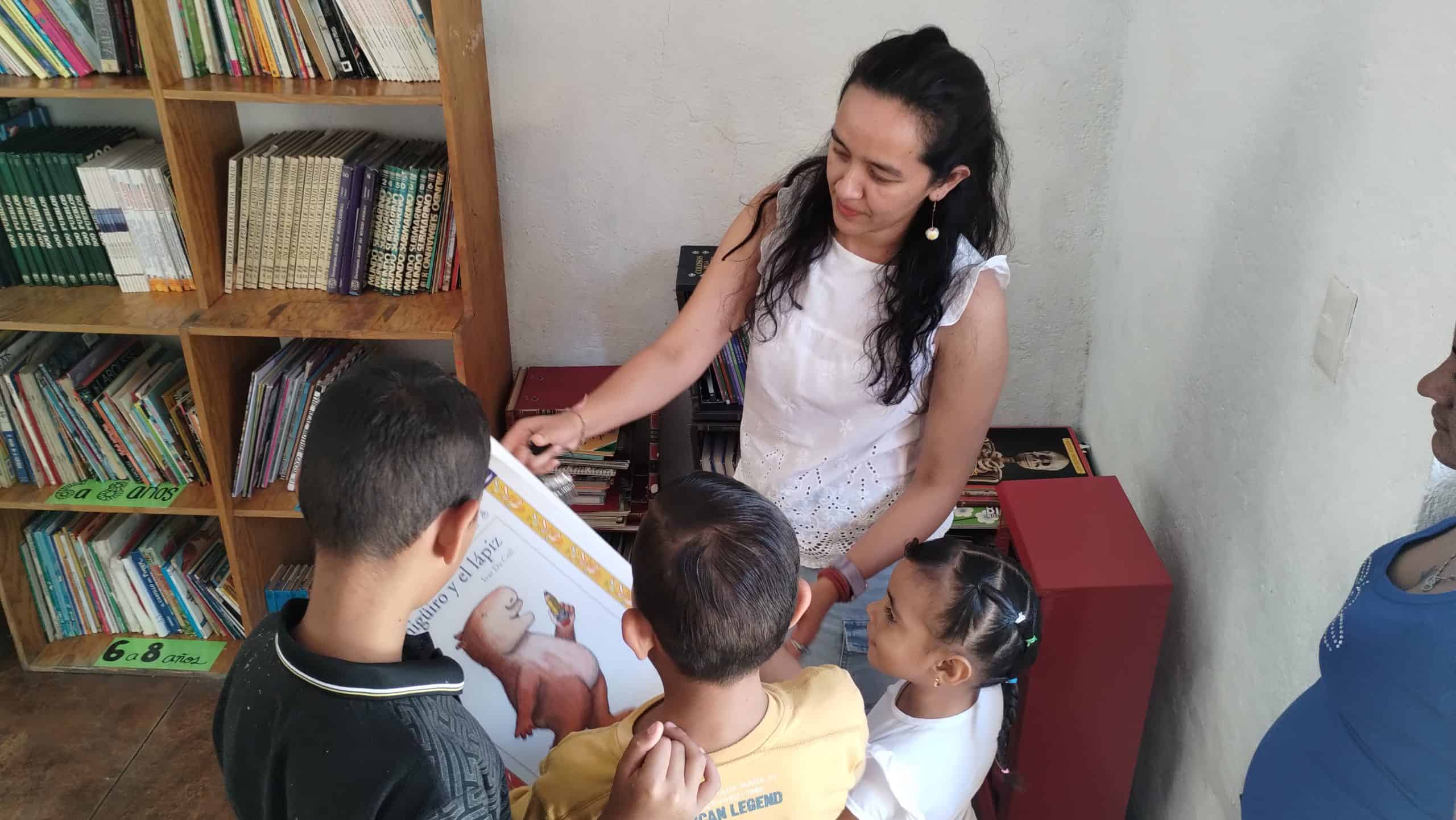
Sólo en 2024, Los programas educativos de ADRA llegaron a más de 1,7 millones de personas- ofreciendo oportunidades de aprendizaje en asentamientos de refugiados, zonas de conflicto y algunas de las comunidades más desatendidas del planeta. Ya sea a través de la escolarización formal, la formación profesional o los programas de alfabetización, el trabajo de ADRA responde a una simple verdad: todos los niños merecen tener acceso a la educación, independientemente de las circunstancias en las que hayan nacido.
Porque la educación no es sólo lectura y matemáticas. Para niños como Venancia y Ahmed la educación sí lo es:
- Protección contra la explotación, el matrimonio precoz y el trabajo peligroso
- Estabilidad en medio del caos y los desplazamientos
- Dignidad cuando todo lo demás ha sido arrebatado
- Esperanza en un futuro que parecía imposible
- Capacitación para dar forma a sus propias vidas y mejorar sus comunidades.
Cada barrera que eliminamos abre una puerta. Cada niño que cruza esa puerta tiene el potencial de transformar no solo su propio futuro, sino el de su familia y su comunidad.
Todos los niños merecen un aula
Las barreras a la educación en los países en desarrollo son reales, importantes y a menudo abrumadoras. Pero no son insuperables.
Cuando Venancia dice: “La educación es importante porque puedo empoderarme”, está diciendo una verdad que va mucho más allá de su propia experiencia. La educación empodera. Protege. Transforma.
Y cuando las organizaciones trabajan junto a las comunidades para eliminar las barreras -ya sea construyendo escuelas donde no las hay, proporcionando comidas para que los niños hambrientos puedan concentrarse, formando a los profesores para que apoyen la educación de las niñas o creando espacios de aprendizaje seguros en los asentamientos de refugiados- ocurren cosas extraordinarias.
Niños que antes no tenían acceso a la educación están prosperando. Niñas que se enfrentaban a obstáculos imposibles persiguen sus sueños. Niños refugiados que lo perdieron todo encuentran estabilidad y esperanza.
La cuestión no es si todos los niños merecen una educación. La cuestión es si haremos lo necesario para eliminar las barreras que se interponen en su camino.
¿Tiene corazón para ayudar a los necesitados de todo el mundo? Donar hoy o conviértete en un Ángel de ADRA y dona mensualmente. Tu donación a ADRA ayuda a eliminar las barreras que impiden a la gente ir a la escuela, desde los conflictos y la pobreza hasta el hambre y la desigualdad.
Preguntas frecuentes sobre los obstáculos a la educación
¿Cuál es el mayor obstáculo a la educación en los países en desarrollo?
Ningún obstáculo afecta a todos los niños por igual. Los conflictos y los desplazamientos impiden a millones de niños refugiados acceder a la escuela. La pobreza extrema obliga a las familias a elegir entre la educación y la supervivencia. El hambre hace físicamente imposible el aprendizaje. La desigualdad de género afecta específicamente a las niñas. Para muchos niños se entrecruzan múltiples obstáculos que hacen que la educación parezca inalcanzable.
¿Cómo impide la pobreza que los niños vayan a la escuela?
La pobreza crea múltiples obstáculos a la educación: las familias no pueden pagar las tasas escolares, los uniformes o el material; los niños deben trabajar para ayudar a mantener a sus familias; las escuelas de las zonas pobres carecen de recursos y de profesores cualificados; las familias dan prioridad a las necesidades inmediatas de supervivencia sobre la educación a largo plazo; y la inestabilidad económica hace imposible la asistencia constante a la escuela.
¿Por qué es especialmente importante la educación de las niñas en los países en desarrollo?
Educar a las niñas crea un efecto multiplicador: las mujeres con estudios tienen familias más sanas, mayores ingresos y más influencia en sus comunidades. Sus hijos tienen más probabilidades de ir a la escuela. La educación protege a las niñas de los matrimonios precoces, la explotación y los problemas de salud. Cuando las niñas aprenden, toda la comunidad se beneficia, pero las niñas se enfrentan a barreras únicas que deben abordarse de forma específica.
¿Cómo ayudan los programas de alimentación escolar a la educación?
Los niños no pueden aprender cuando tienen hambre. Los programas de alimentación escolar garantizan que los alumnos reciban comidas nutritivas, lo que mejora la asistencia (las familias envían a sus hijos al colegio sabiendo que comerán), potencia la concentración y el rendimiento académico, reduce las tasas de abandono escolar y hace posible la educación para las familias que sufren inseguridad alimentaria. Los programas de alimentación transforman el acceso a la educación de millones de niños.
¿Qué ocurre con la educación de los niños durante los conflictos y las guerras?
Los conflictos destruyen la infraestructura escolar, desplazan a niños y profesores, crean condiciones peligrosas que hacen imposible la asistencia a la escuela, interrumpen años de aprendizaje difíciles de recuperar y obligan a las familias a dar prioridad a la supervivencia sobre la educación. Los niños refugiados se enfrentan a barreras adicionales, como las diferencias lingüísticas, los traumas y la falta de credenciales reconocidas. Organizaciones como ADRA trabajan para proporcionar educación en asentamientos de refugiados y zonas afectadas por conflictos, pero la magnitud de las necesidades es inmensa.
¿Cómo pueden funcionar los programas educativos en los campos y asentamientos de refugiados?
ADRA y organizaciones similares establecen centros de aprendizaje dentro o cerca de los asentamientos de refugiados, proporcionan apoyo pedagógico multilingüe, forman a los profesores para que aborden los traumas y los retos únicos a los que se enfrentan los refugiados, ofrecen apoyo psicosocial junto con el académico, trabajan con los gobiernos de acogida para reconocer la educación de los refugiados y crean espacios seguros donde el aprendizaje puede continuar a pesar del desplazamiento. La educación en estos entornos proporciona estabilidad, protección y esperanza a los niños que lo han perdido casi todo.