La Administración Nacional Oceánica y Atmosférica de Estados Unidos (NOAA) ha publicado sus perspectivas para la temporada de huracanes en el Atlántico de 2026, pronosticando un año por debajo de lo normal con 8 a 14 tormentas con nombre, de las cuales de 3 a 6 podrían convertirse en huracanes, y de 1 a 3 podrían alcanzar la categoría de huracán mayor (categoría 3 o superior). La NOAA atribuye la reducción de la actividad prevista en gran medida al desarrollo y la intensificación de las condiciones de El Niño durante la temporada, junto con temperaturas del Océano Atlántico ligeramente más cálidas de lo normal.
Aunque el pronóstico ofrece cierto consuelo estadístico, la Oficina Regional Interamericana (OIR) de la Agencia Adventista de Desarrollo y Recursos Asistenciales (ADRA) insta a socios, donantes, contrapartes gubernamentales y al público a no caer en la complacencia. La agencia emite esta declaración para marcar el comienzo oficial de la temporada el 1 de junio y para reafirmar su plena disposición operativa.
Cifras clave de las previsiones
- 8-14 tormentas con nombre
- 3-6 huracanes previstos
- 1-3 posibles grandes huracanes (categoría 3+)
- 41 países de la región IAD de ADRA
Una tormenta es suficiente
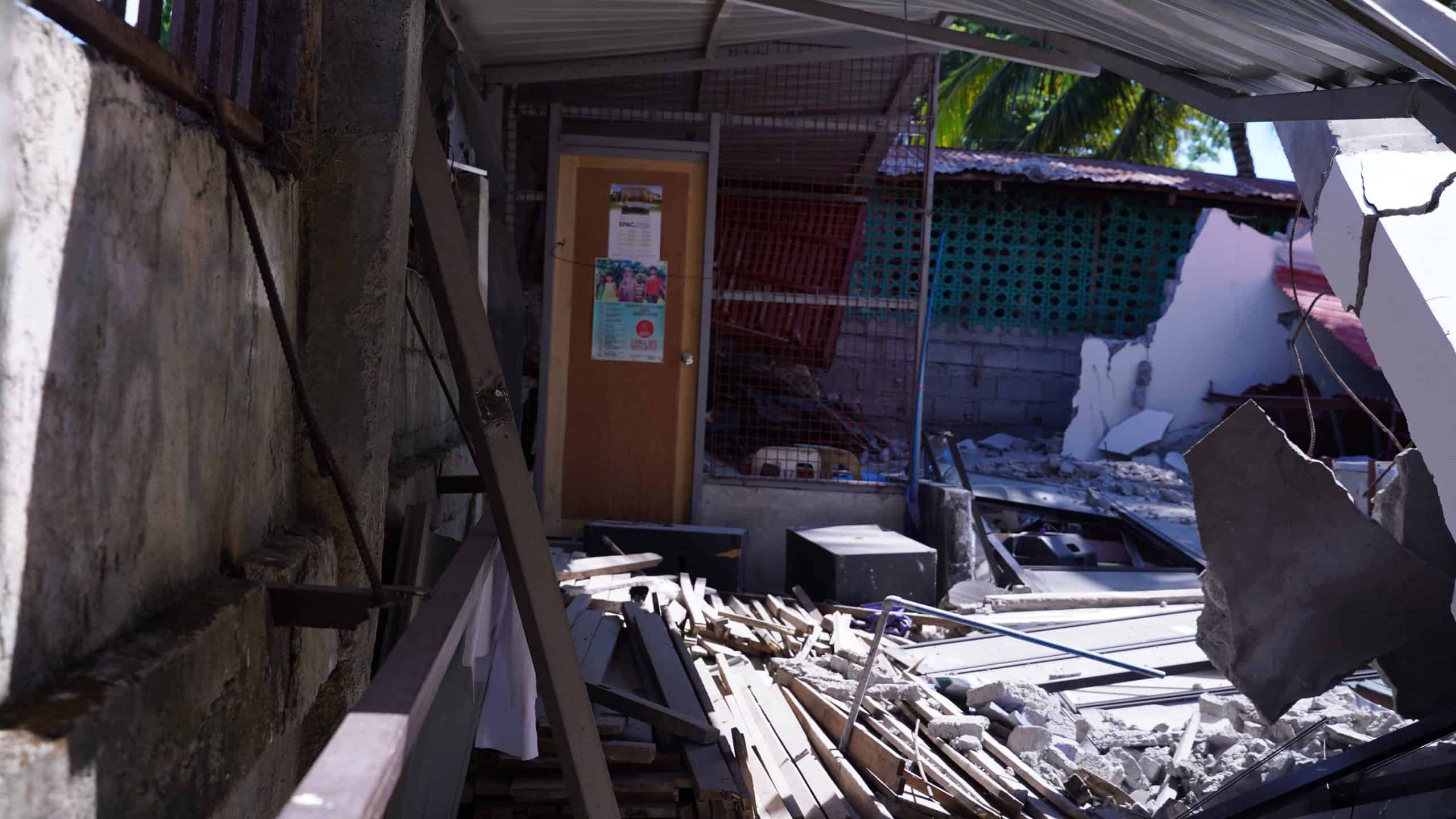
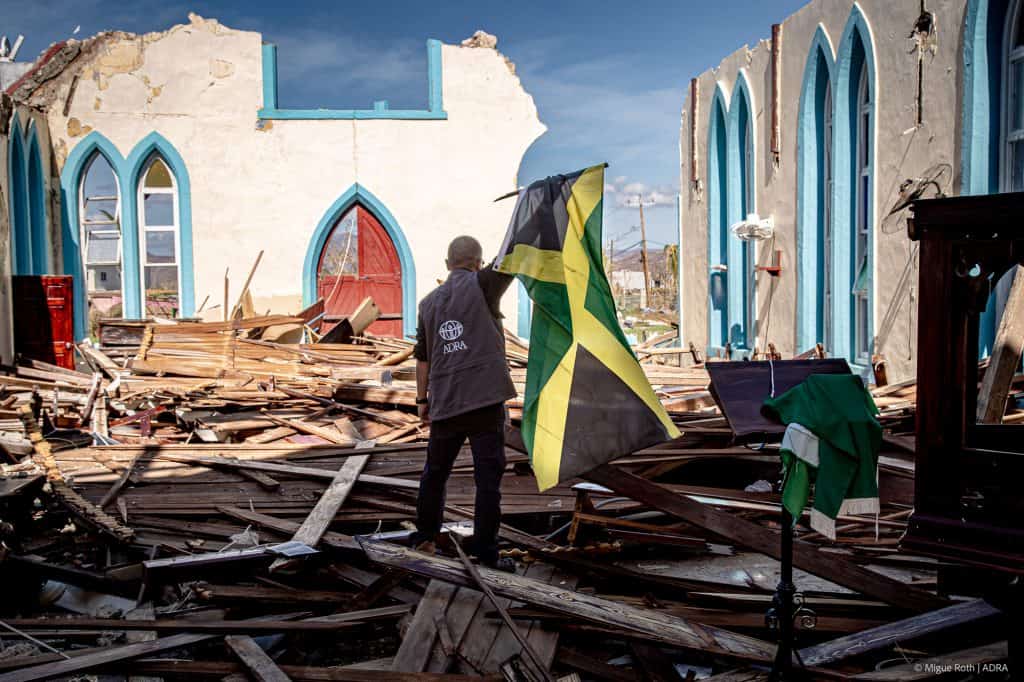
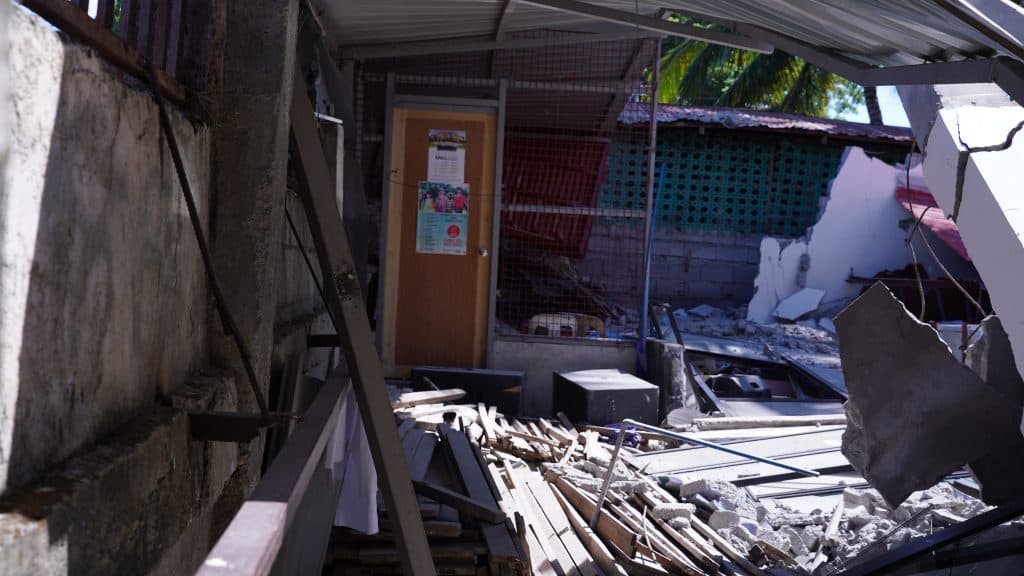
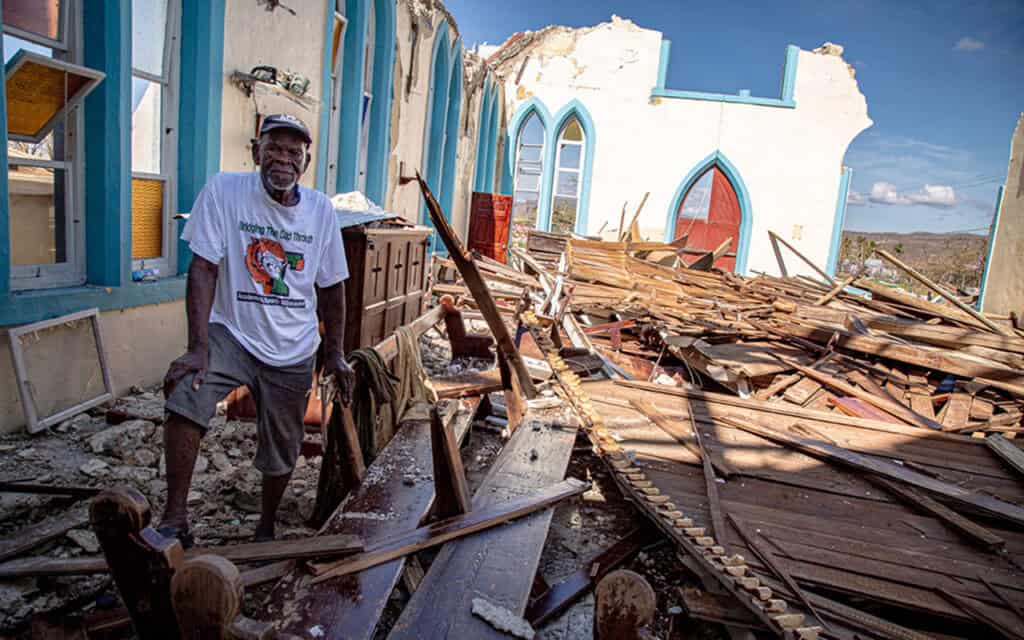
La historia ha demostrado en repetidas ocasiones, desde el huracán María en 2017 hasta el huracán Iota en 2020, que una sola tormenta potente que azote un país vulnerable puede desencadenar una crisis humanitaria a gran escala que requiera meses o incluso años de recuperación.
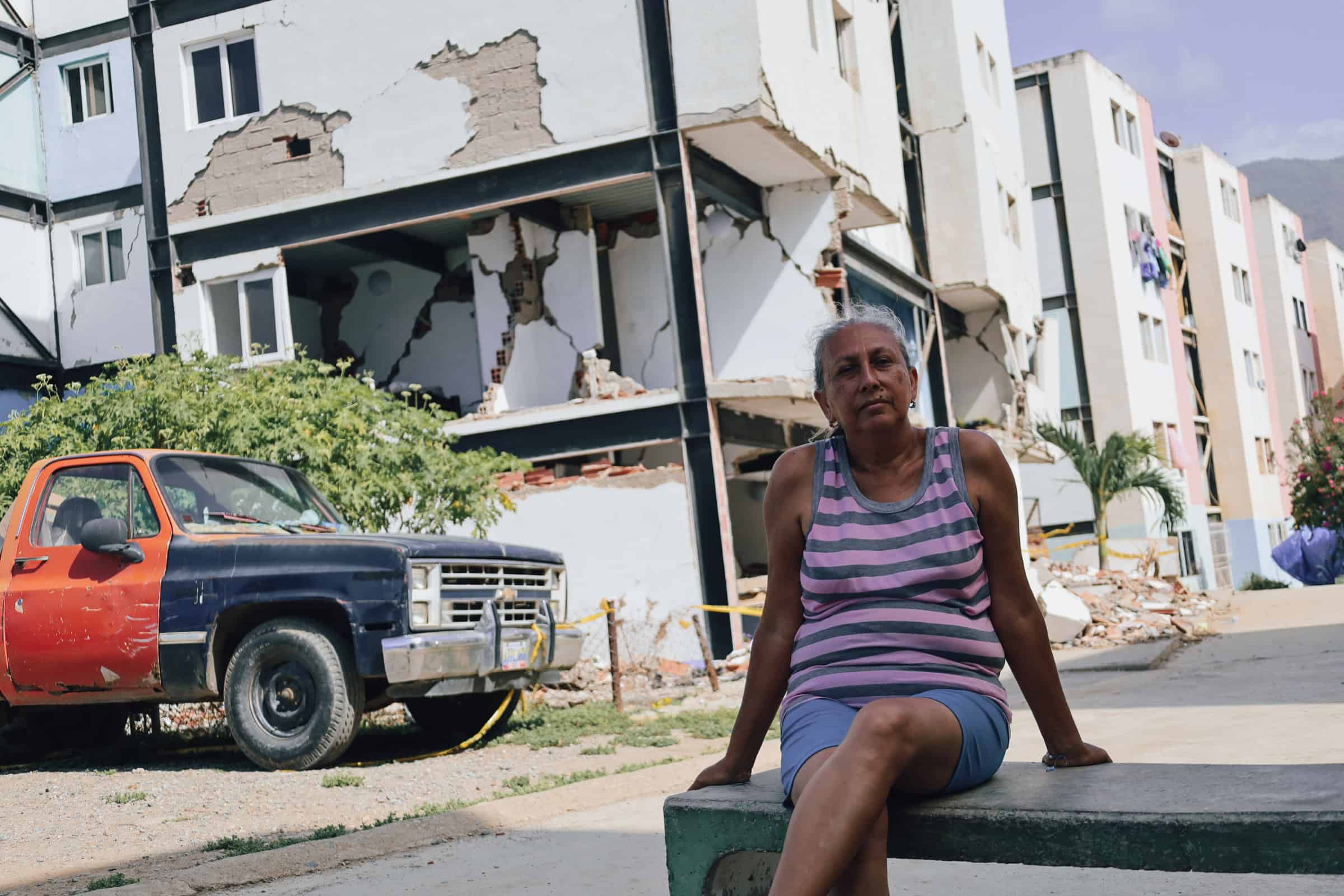
Para los millones de personas del área de cobertura de ADRA IAD que viven en viviendas inadecuadas, carecen de acceso a agua potable y seguridad alimentaria, o residen en zonas costeras y fluviales de alto riesgo, una temporada estadísticamente “por debajo de lo normal” ofrece poca tranquilidad. La misión de ADRA exige el mismo nivel de vigilancia cada temporada.
“Una previsión de temporada por debajo de lo normal no es motivo para bajar la guardia”, afirma Rubén Ponce, director de la oficina regional interamericana de ADRA. “Es un recordatorio de que la naturaleza no sigue las estadísticas. En algún lugar de nuestra región, las comunidades están en peligro ahora mismo. Nuestro trabajo es estar preparados antes de la tormenta, no después”. ADRA IAD mantendrá el mismo nivel de preparación operativa y compromiso esta temporada que en cualquier otro año."
Preparación para todo el año
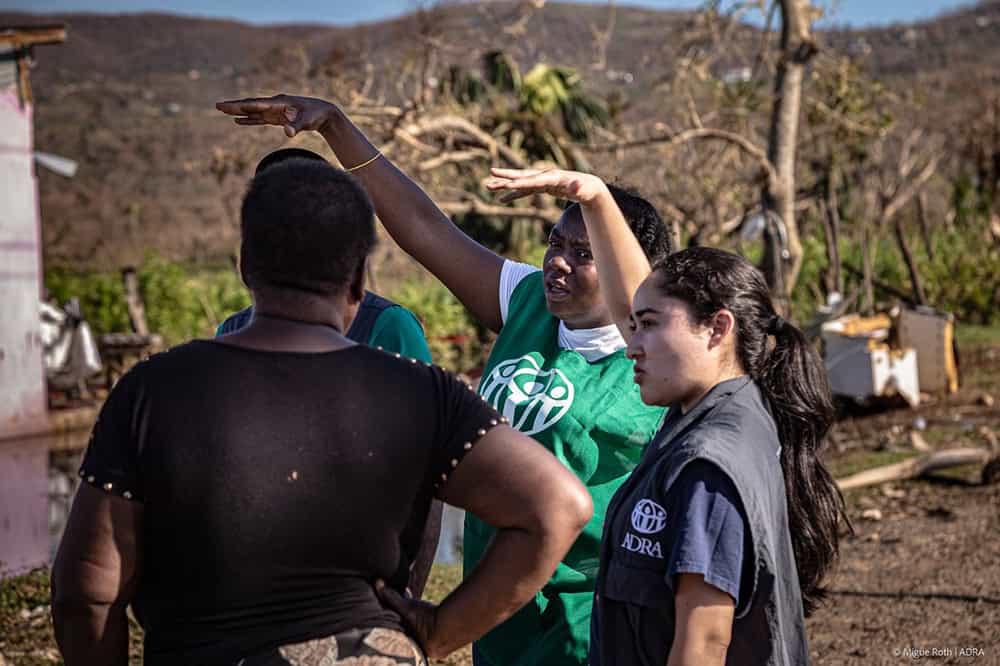
ADRA IAD no ha esperado al 1 de junio, inicio de la temporada, para prepararse. Desde el final de la anterior temporada de huracanes, la oficina regional y su red de oficinas nacionales en el Caribe, Centroamérica y Sudamérica han participado en un ciclo continuo de actividades de preparación para emergencias.
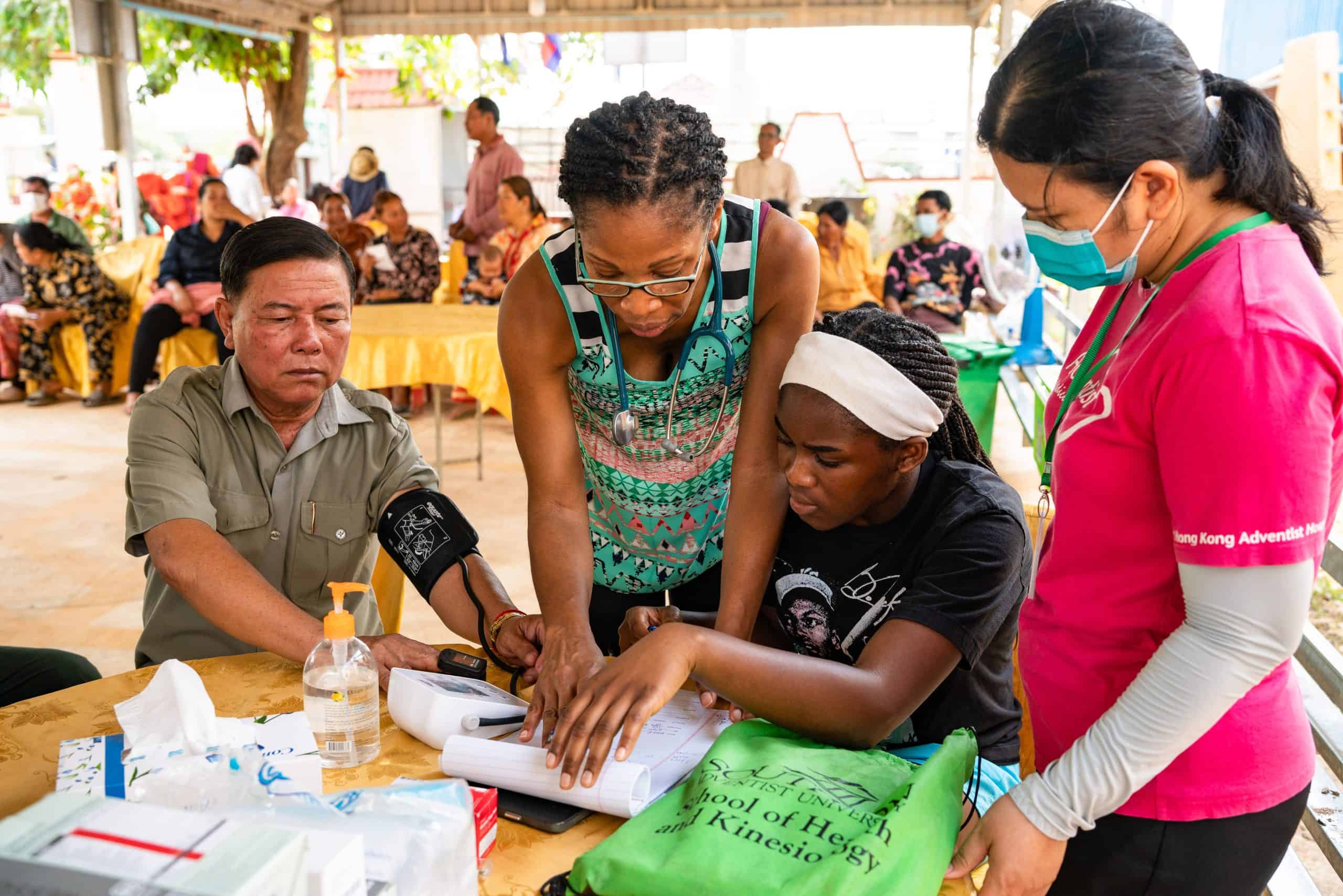
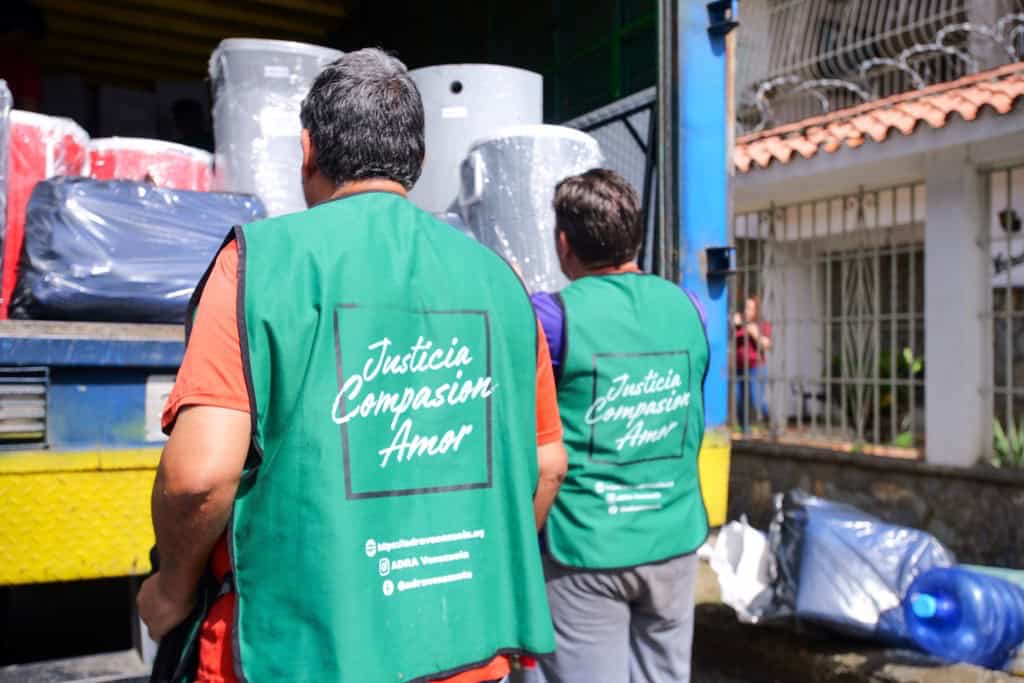
Estos esfuerzos han incluido ejercicios de simulación (SimEx) para poner a prueba los planes de respuesta en escenarios de catástrofe realistas, talleres de múltiples partes interesadas con las autoridades nacionales de protección civil y los organismos de coordinación humanitaria, actualizaciones de los planes de contingencia y los marcos de respuesta de emergencia, preposicionamiento de reservas de artículos no alimentarios críticos, evaluaciones de la capacidad logística y formación para el personal local sobre evaluación de necesidades, coordinación de grupos sectoriales y programación de asistencia en efectivo y vales.
“Nuestras oficinas en los países han trabajado durante todo el año, no sólo en junio, para garantizar que, cuando llegue una tormenta, no estemos luchando. Hemos puesto a prueba nuestros planes, formado a nuestros equipos, involucrado a nuestras comunidades y actualizado nuestros sistemas. Estamos todo lo preparados que podemos estar, y apoyamos a la gente de esta región”, dice Elian Giaccarini, Coordinador Regional de Respuesta a Emergencias de la Oficina Regional Interamericana de ADRA.
Capacidad de respuesta inmediata y emergencia internacional
ADRA IAD ha establecido sistemas que permiten una rápida movilización inmediatamente después de una catástrofe. Las oficinas nacionales están equipadas para realizar evaluaciones rápidas de las necesidades iniciales y poner en marcha actividades de respuesta temprana en las 72 horas siguientes a un suceso significativo. Si la magnitud de una catástrofe supera la capacidad de respuesta nacional, la red regional y mundial de ADRA está preparada para movilizar recursos humanos, financiación y suministros materiales adicionales de fuentes internacionales.
Esta capacidad de reacción, basada en la red mundial de ADRA de más de 118 organizaciones miembros y en las asociaciones con los principales donantes institucionales, permite a la organización ampliar su respuesta en función de la magnitud de la crisis. Esto ayuda a garantizar que ninguna comunidad afectada se quede sin apoyo debido a la insuficiencia de recursos locales.
ADRA IAD también mantiene una coordinación activa con la Oficina de Coordinación de Asuntos Humanitarios de las Naciones Unidas (UNOCHA), el Programa Mundial de Alimentos (PMA) y otros actores humanitarios clave en toda la región. Esta coordinación permite una respuesta coherente, basada en grupos temáticos, cuando varias organizaciones se despliegan simultáneamente.
Llamamiento a la acción para donantes y socios
ADRA IAD invita a donantes, socios gubernamentales, financiadores institucionales y organizaciones de la sociedad civil a apoyar los esfuerzos de preparación y respuesta temprana de la agencia antes y durante la temporada de huracanes de 2026. La financiación de emergencia preposicionada permite una respuesta más rápida y eficiente durante los primeros días críticos después de un desastre, cuando cada hora cuenta.
Para más información sobre las operaciones de respuesta de emergencia de ADRA IAD, oportunidades de asociación o formas de contribuir, visite adra.org o póngase en contacto directamente con la oficina regional.
Acerca de la Oficina Regional Interamericana de ADRA
ADRA IAD es la oficina de coordinación regional de la Agencia Adventista de Desarrollo y Recursos Asistenciales para México, Centroamérica, el Caribe, Colombia y Venezuela. La oficina apoya a las oficinas de ADRA a nivel de país en la entrega de programas de socorro y desarrollo, coordina la respuesta de emergencia en toda la región, y facilita la movilización de recursos y asistencia técnica para fortalecer la capacidad humanitaria local.
ADRA opera en más de 120 países de todo el mundo a través de una red de casi 6.000 colaboradores, todos ellos impulsados por una misión de justicia, compasión y amor.
Fuente: NOAA 2026 Atlantic Hurricane Season Outlook, Publicado el 21 de mayo de 2026 - noaa.gov