La National Oceanic and Atmospheric Administration (NOAA) des États-Unis a publié ses perspectives pour la saison des ouragans de l'Atlantique 2026, prévoyant une année inférieure à la normale avec 8 à 14 tempêtes nommées, dont 3 à 6 pourraient devenir des ouragans, et 1 à 3 pourraient atteindre le statut d'ouragan majeur (catégorie 3 ou supérieure). La NOAA attribue la baisse d'activité attendue en grande partie au développement et à l'intensification prévus des conditions El Niño au cours de la saison, ainsi qu'à des températures de l'océan Atlantique légèrement plus chaudes que la normale.
Bien que les prévisions offrent un certain réconfort statistique, le bureau régional interaméricain (IAD) de l'Agence adventiste de développement et de secours (ADRA) exhorte les partenaires, les donateurs, les homologues gouvernementaux et le public à ne pas se reposer sur leurs lauriers. L'agence publie cette déclaration pour marquer le début officiel de la saison, le 1er juin, et pour réaffirmer sa pleine capacité opérationnelle.
Chiffres clés des prévisions
- 8-14 tempêtes nommées
- 3-6 ouragans prévus
- 1 à 3 ouragans majeurs potentiels (catégorie 3+)
- 41 pays de la région ADRA IAD
Une tempête suffit
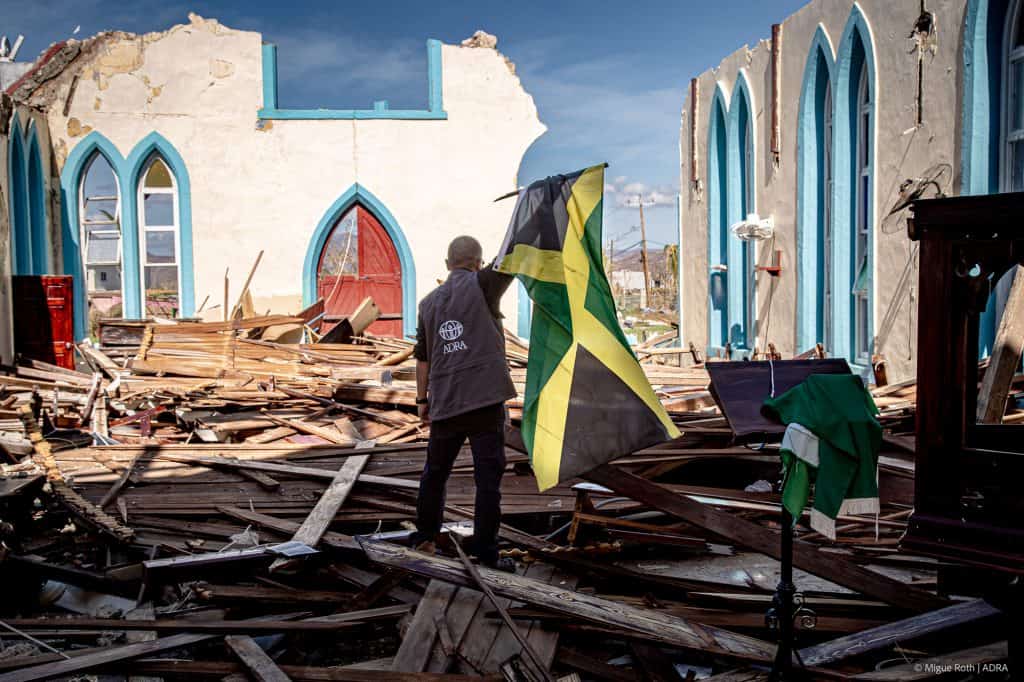
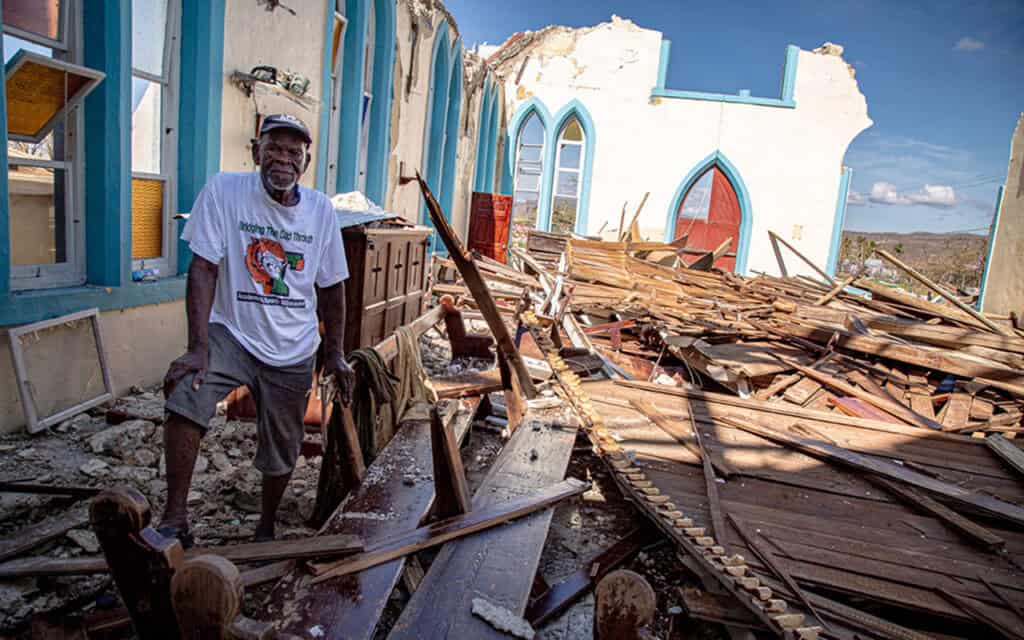
L'histoire a démontré à maintes reprises, de l'ouragan Maria en 2017 à l'ouragan Iota en 2020, qu'une seule tempête puissante frappant un pays vulnérable peut déclencher une crise humanitaire de grande ampleur nécessitant des mois, voire des années de redressement.
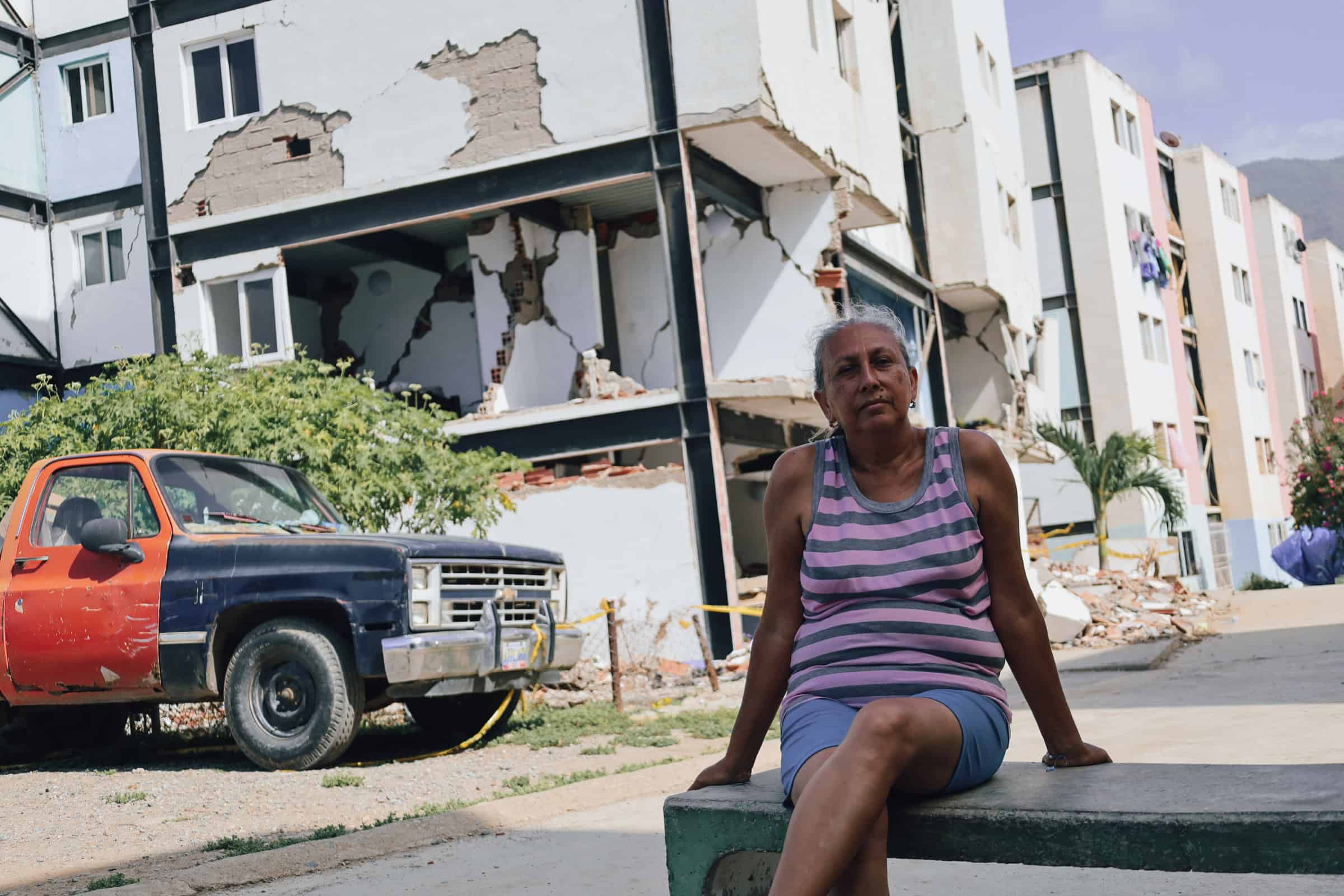
Pour les millions de personnes dans la zone de couverture d'ADRA IAD qui vivent dans des logements inadéquats, qui n'ont pas accès à l'eau potable et à la sécurité alimentaire, ou qui résident dans des zones côtières et fluviales à haut risque, une saison statistiquement “en dessous de la normale” n'est pas très rassurante. La mission d'ADRA exige le même niveau de vigilance à chaque saison.
“Une prévision de saison inférieure à la normale n'est pas une raison pour baisser la garde”, déclare Ruben Ponce, directeur du bureau régional interaméricain d'ADRA. “C'est un rappel que la nature ne suit pas les statistiques. Quelque part dans notre région, des communautés sont en danger en ce moment même. Notre tâche est d'être prêts avant la tempête, pas après. ADRA IAD maintiendra le même niveau de préparation opérationnelle et d'engagement cette saison que les autres années”.”
La préparation tout au long de l'année en action
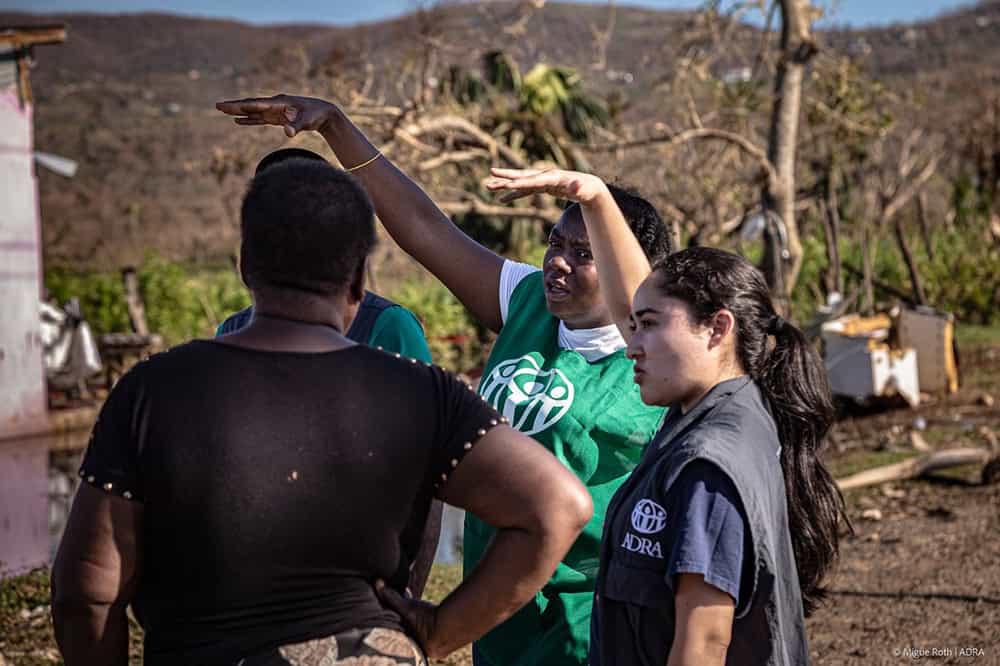
ADRA IAD n'a pas attendu le début de la saison, le 1er juin, pour se préparer. Depuis la fin de la saison des ouragans précédente, le bureau régional et son réseau de bureaux nationaux à travers les Caraïbes, l'Amérique centrale et l'Amérique du Sud se sont engagés dans un cycle continu d'activités de préparation aux situations d'urgence.
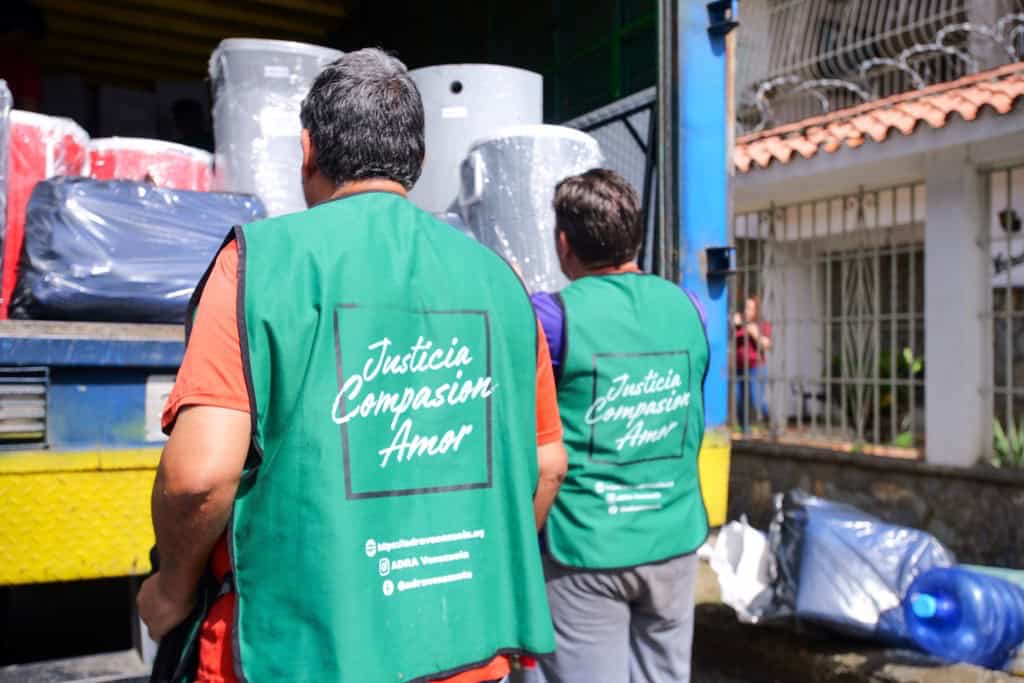
Ces efforts ont inclus des exercices de simulation (SimEx) pour tester les plans de réponse dans des scénarios de catastrophe réalistes, des ateliers multipartites avec les autorités nationales de protection civile et les organismes de coordination humanitaire, des mises à jour des plans d'urgence et des cadres de réponse aux urgences, le prépositionnement de stocks d'articles non alimentaires essentiels, des évaluations de la capacité logistique et la formation du personnel local à l'évaluation des besoins, à la coordination des groupes et à la programmation de l'aide en espèces et sous forme de coupons.
“Nos bureaux nationaux ont travaillé tout au long de l'année, et pas seulement en juin, pour s'assurer qu'en cas de tempête, nous ne soyons pas pris au dépourvu. Nous avons testé nos plans, formé nos équipes, impliqué nos communautés et mis à jour nos systèmes. Nous sommes aussi prêts que possible et nous sommes aux côtés des habitants de cette région”, déclare Elian Giaccarini, coordinateur régional des interventions d'urgence pour le bureau régional interaméricain de l'ADRA.
Capacité de réaction immédiate et afflux international
ADRA IAD a mis en place des systèmes permettant une mobilisation rapide au lendemain d'une catastrophe. Les bureaux nationaux sont équipés pour procéder à des évaluations rapides des besoins et lancer des activités de réponse rapide dans les 72 heures suivant un événement important. Si l'ampleur d'une catastrophe dépasse la capacité de réponse nationale, le réseau régional et mondial d'ADRA est prêt à mobiliser des ressources humaines, financières et matérielles supplémentaires à partir de sources internationales.
Cette capacité d'intervention, qui s'appuie sur le réseau mondial d'ADRA, composé de plus de 118 organisations membres, et sur des partenariats avec les principaux donateurs institutionnels, permet à l'organisation d'adapter sa réponse à l'ampleur de la crise. Cela permet de s'assurer qu'aucune communauté affectée n'est laissée sans soutien en raison de l'insuffisance des ressources locales.
ADRA IAD maintient également une coordination active avec le Bureau des Nations unies pour la coordination des affaires humanitaires (UNOCHA), le Programme alimentaire mondial (PAM) et d'autres acteurs humanitaires clés dans la région. Cette coordination permet d'apporter une réponse cohérente et groupée lorsque plusieurs organisations sont déployées simultanément.
Un appel à l'action pour les donateurs et les partenaires
ADRA IAD invite les donateurs, les partenaires gouvernementaux, les bailleurs de fonds institutionnels et les organisations de la société civile à soutenir les efforts de préparation et de réponse précoce de l'agence avant et tout au long de la saison des ouragans 2026. Un financement d'urgence prépositionné permet une réponse plus rapide et plus efficace au cours des premiers jours critiques après une catastrophe, lorsque chaque heure compte.
Pour en savoir plus sur les opérations d'intervention d'urgence d'ADRA IAD, sur les possibilités de partenariat ou sur les moyens de contribuer, veuillez consulter le site suivant adra.org ou contacter directement le bureau régional.
À propos du bureau régional interaméricain d'ADRA
ADRA IAD est le bureau de coordination régionale de l'Agence adventiste de développement et de secours pour le Mexique, l'Amérique centrale, les Caraïbes, la Colombie et le Venezuela. Le bureau soutient les bureaux nationaux d'ADRA dans la mise en œuvre des programmes d'aide et de développement, coordonne les interventions d'urgence dans la région et facilite la mobilisation des ressources et l'assistance technique pour renforcer les capacités humanitaires locales.
ADRA est présente dans plus de 120 pays à travers le monde grâce à un réseau de près de 6 000 collaborateurs, tous animés par une mission fondée sur la justice, la compassion et l'amour.
Source : NOAA 2026 Atlantic Hurricane Season Outlook, publié le 21 mai 2026 - noaa.gov