Jedes Jahr am 22. März hält die Welt inne, um über eine Ressource nachzudenken, die für die meisten Amerikaner völlig selbstverständlich ist: sauberes Wasser. Drehen Sie einen Wasserhahn auf. Füllen Sie ein Glas. Das Wasser ist einfach da. Doch für mehr als zwei Milliarden Menschen auf diesem Planeten ist Wasser keine Selbstverständlichkeit. Es ist eine tägliche Krise, und die Last dieser Krise fällt fast ausschließlich auf Frauen und Mädchen.
In diesem Jahr haben die Vereinten Nationen den Weltwassertag 2026 zum Thema gemachtWasser und Geschlecht, Der Slogan der Kampagne bringt es auf den Punkt:“Wo Wasser fließt, wächst Gleichheit”.”Das Thema ist die Erkenntnis, dass die globale Wasserkrise nicht nur ein Umwelt- oder Infrastrukturproblem ist. Es ist ein Problem der Geschlechtergerechtigkeit, das sich in einer Statistik versteckt, die man, wenn man sie einmal gehört hat, nicht mehr vergessen kann:
In 53 Ländern verbringen Frauen und Mädchen zusammen jeden Tag 250 Millionen Stunden damit, Wasser zu holen – mehr als dreimal so viel Zeit wie Männer und Jungen. Diese Zahl entspricht über 28.000 Jahren menschlicher Arbeitszeit, die aus der Produktion verloren gehtAktivität, Bildung und bürgerschaftliches Engagement alle 24 Stunden. (UN Women/UNDESA, 2024).
Die Zahlen hinter der Ungleichheit
Das Ausmaß der geschlechtsspezifischen Unterschiede bei der Wasserversorgung ist erschütternd. 1,8 Milliarden Menschen haben immer noch kein Trinkwasser vor Ort, und in zwei von drei Haushalten sind hauptsächlich Frauen für die Wasserbeschaffung zuständig (WHO/UNICEF, 2023). In 53 Ländern, für die Daten vorliegen, verbringen Frauen und Mädchen 250 Millionen Stunden pro Tag mit der Wasserbeschaffung. Das ist mehr als dreimal so viel wie bei Männern und Jungen (UN Women/UNDESA, 2024). Das ist Zeit, die von der Schule, vom Einkommen, von der Sicherheit und vom gesellschaftlichen Leben abgezogen wird.
Die Folgen von unsicherem Wasser reichen bis in die ersten Stunden des Lebens. Unsauberes Wasser, unsaubere sanitäre Anlagen und unsaubere Hygiene sind täglich die Ursache für den Tod von rund 1.000 Kindern unter fünf Jahren(WHO/UNICEF, 2023). Fast die Hälfte der weltweiten Todesfälle bei Neugeborenen tritt dort auf, wo Gesundheitseinrichtungen keine Wasserquelle haben (WHO/UNICEF, 2023), was bedeutet, dass die Wasserknappheit Leben an den Orten beendet, die sie eigentlich schützen sollten.
Und dennoch sind die am meisten Betroffenen bei den Entscheidungen am wenigsten vertreten. In 14% der Länder spielen Frauen immer noch keine formale Rolle bei der Entscheidungsfindung im Bereich Wasser (UNEP-DHI, GWP, UN Women, 2025). Weltweit machen Frauen etwas mehr als ein Fünftel der Beschäftigten im Wassersektor aus (Wortbank, 2026). Die Menschen, die die Leitungen und politischen Maßnahmen entwerfen, sind in der Mehrzahl nicht die Menschen, die am meisten von ihrem Versagen betroffen sind.
Die Menschen hinter der Ungleichheit
Abstrakte Statistiken sind nur bedingt aussagekräftig. Um zu verstehen, was diese Zahlen für ein Menschenleben bedeuten, reisen Sie in Ihrer Fantasie nach Nfuanka, einem Dorf in der Ortschaft Kamuesha in der Provinz Kasaï, Demokratische Republik Kongo, etwa 100 Kilometer von der Provinzhauptstadt Tshikapa entfernt. Jahrzehntelang floss das einzige Wasser, das dieser Gemeinde zur Verfügung stand, aus einer ungeschützten, verunreinigten Quelle. Das Ergebnis war ein unerbittlicher Kreislauf: Cholera, Typhus, Durchfall und die besondere Grausamkeit der durch Wasser übertragenen Krankheiten, die die Jüngsten und Schwächsten am härtesten treffen.
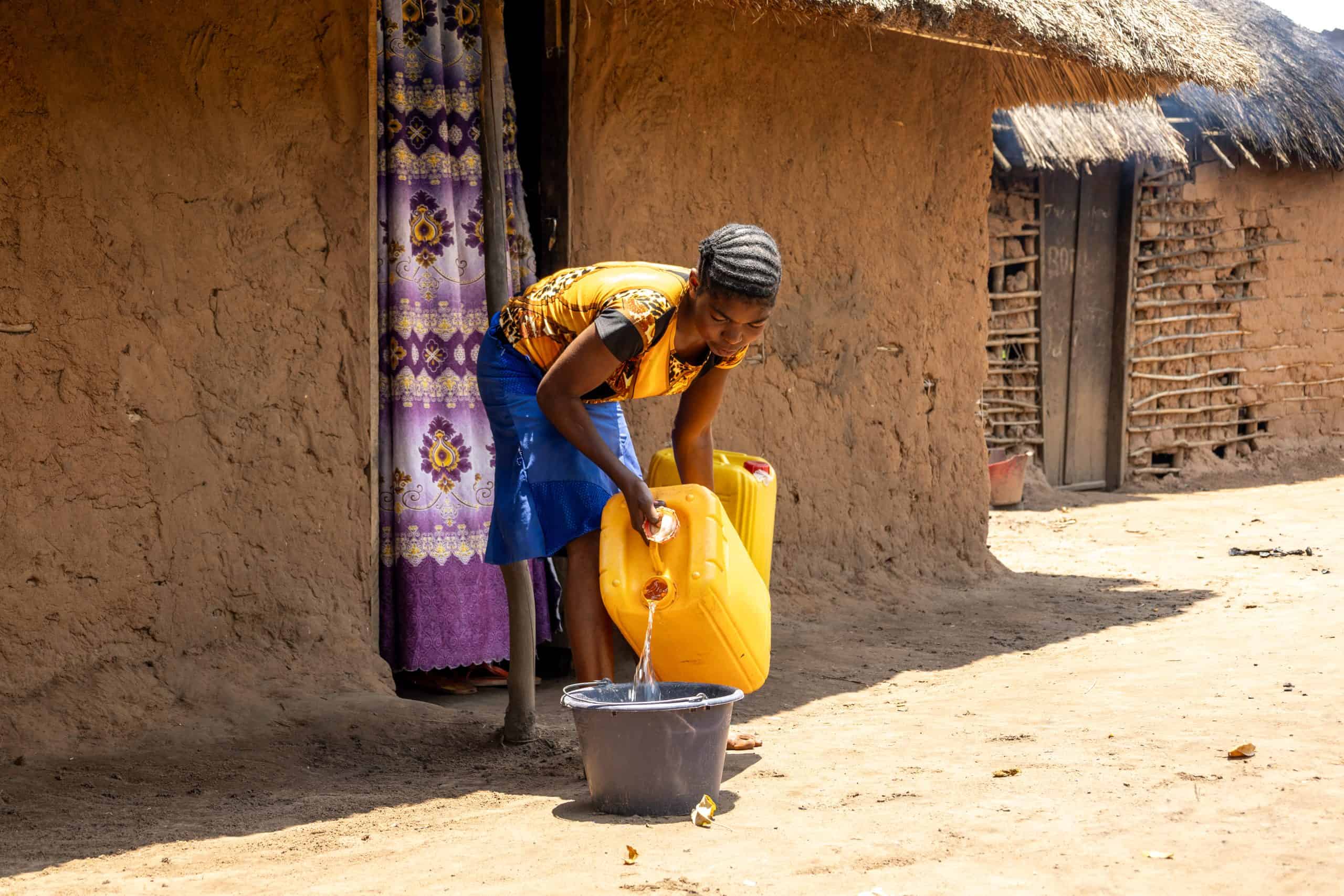
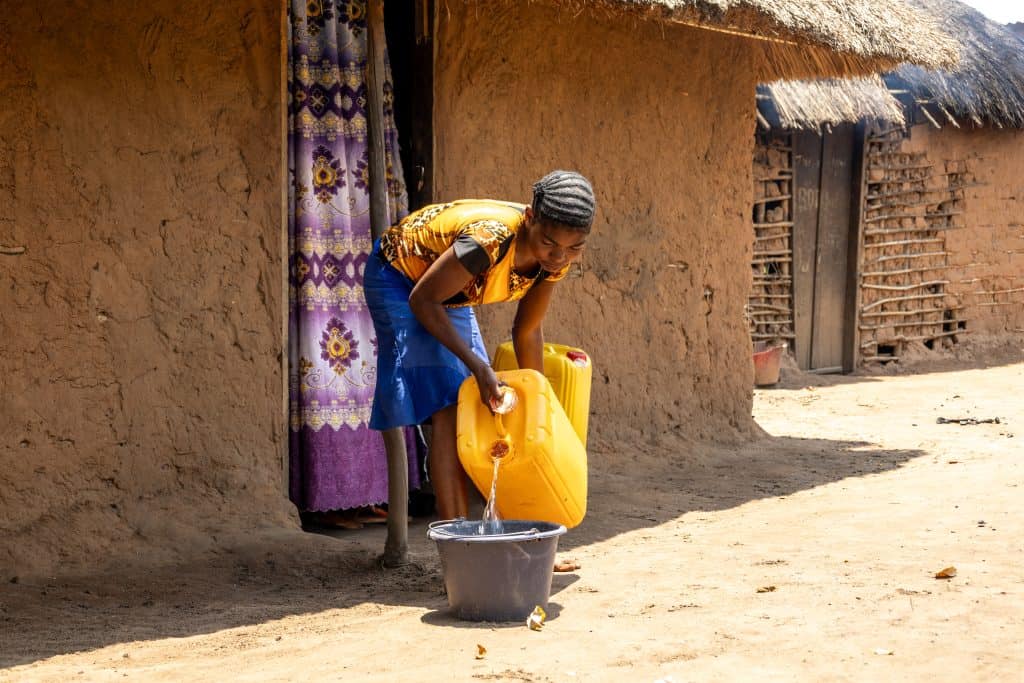
Für Ngalula Kadiomba Elysée, eine 53-jährige Einwohnerin von Nfuanka, bedeutete das tägliche Leben, kilometerweit auf abgelegenen Wegen zu laufen, um ein paar Liter Wasser mitzunehmen. Und das galt nicht nur für sie. Diese Aufgabe fiel allen Frauen des Dorfes zu, vor allem aber den jungen Mädchen - den unsichtbaren Arbeitskräften hinter einer Arbeit, die sie der Schule, der Sicherheit und der Kindheit beraubte. Im Jahr 2020 wurde die versteckte Gefahr dieser Spaziergänge auf verheerende Weise real, als ein junges Mädchen auf dem Weg zum Wasserholen angegriffen wurde. Die Wasserversorgung der Gemeinde kostete mehr als nur Mühe. Sie kostete Leben.
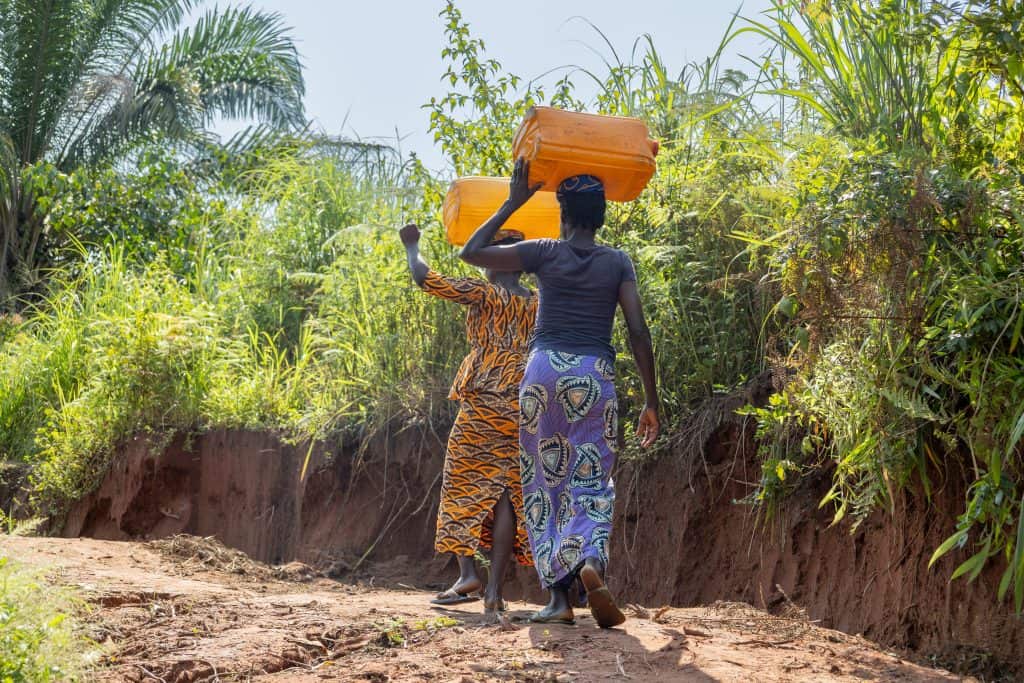
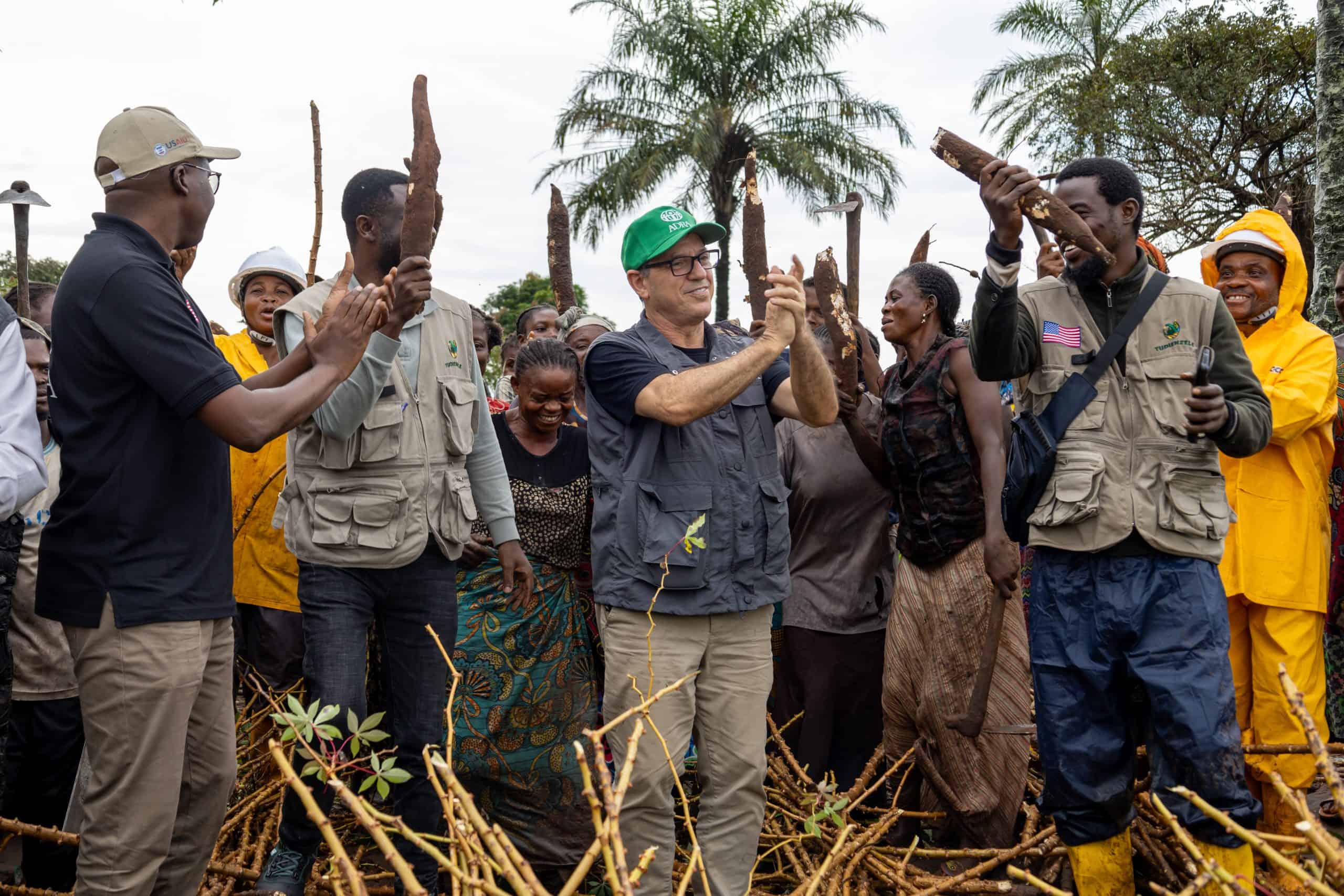
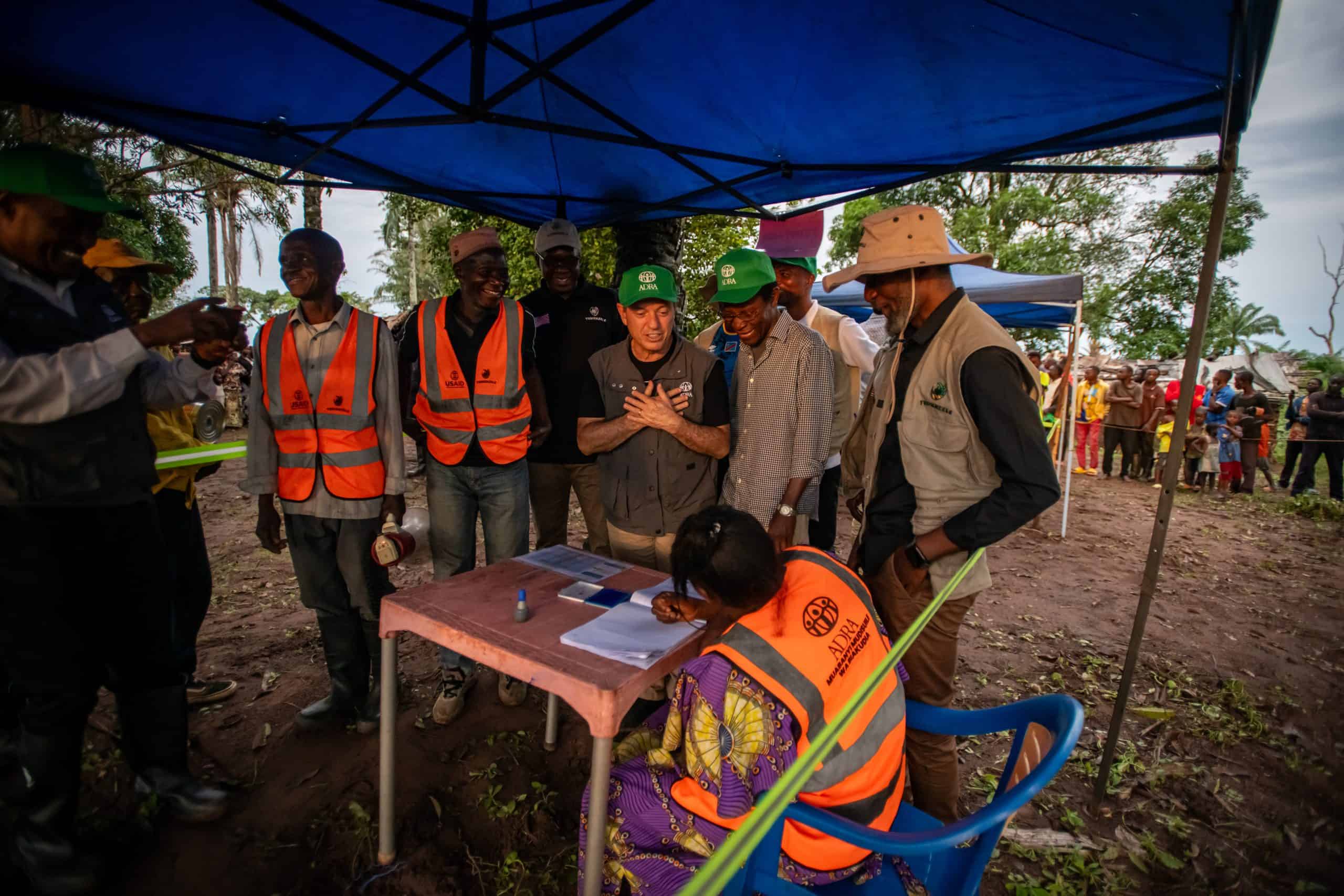
Im Jahr 2025 wurde das Projekt TUDIENZELE von ADRA ausgewählt, um die Kabilala-Quelle in Nfuanka zu sanieren. Aber das Besondere an diesem Projekt war nicht nur die Technik. Es ging darum, wer bei der Entscheidungsfindung im Raum war. Zum ersten Mal in der Geschichte der Gemeinde wurden Frauen, Jugendliche und Menschen mit Behinderungen offiziell in den Planungsdialog einbezogen. Bei dem Projekt wurde die Inklusion nicht als nachträglicher Gedanke, sondern als Teil der Architektur selbst betrachtet.
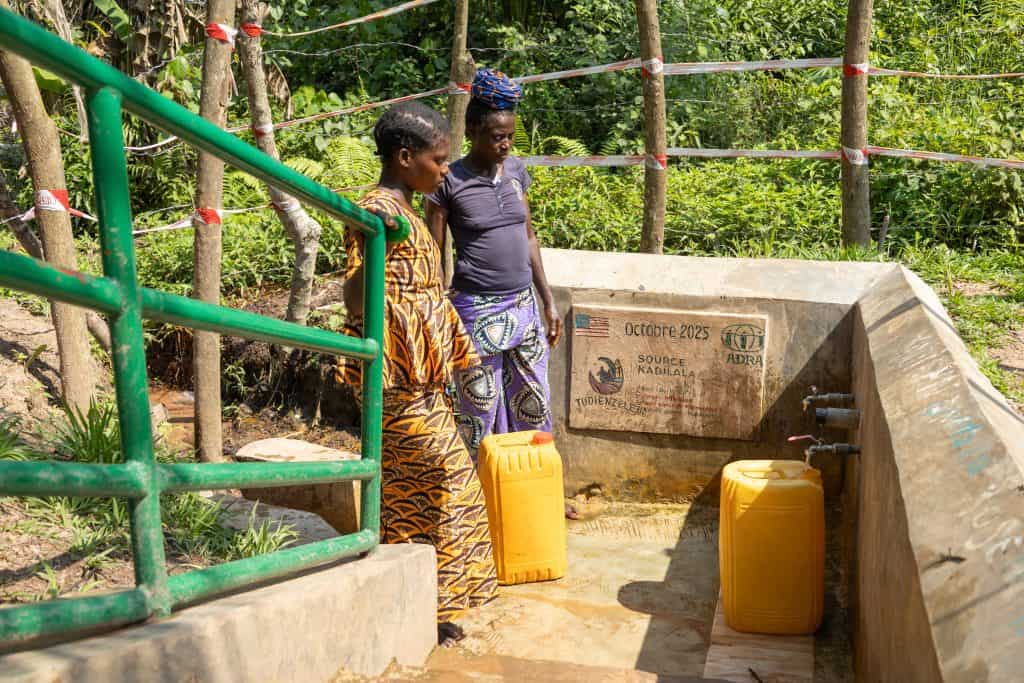
Dieser Ansatz spiegelt genau das wider, was die heutige Kampagne zum Weltwassertag weltweit fordert: ein transformatives, auf Rechten basierendes Modell, bei dem die Stimmen und die Handlungsfähigkeit von Frauen nicht nur toleriert, sondern als wesentlich für den Aufbau von Systemen behandelt werden, die tatsächlich funktionieren. Als die Sanierung der Kabilala-Quelle im Oktober 2025 abgeschlossen wurde, handelte es sich nicht nur um eine Wasserinfrastruktur. Es war ein Beweis dafür, was Inklusion bewirken kann.
Die Veränderungen in Nfuanka seit der Sanierung der Quelle sind messbar und unmittelbar. Gilbert Ntumba, Vorsitzender des Gesundheitsentwicklungsausschusses der Gemeinde, hat bei Hausbesuchen einen starken Rückgang der durch Wasser übertragenen Krankheiten festgestellt. Dem neu gegründeten Verwaltungsausschuss für die Wasserstelle gehören unter seinen sieben Mitgliedern drei Frauen an. Und in einem bemerkenswerten Akt der Eigenständigkeit der Gemeinde tragen die Bewohner gemeinsam jeden Monat 3.000 kongolesische Francs (etwa $1,10 USD) zur Finanzierung der Wartung und Reparatur der Quelle bei. Die Gemeinde verfügt nicht nur über sauberes Wasser. Sie ist Eigentümerin ihres sauberen Wassers und sorgt für dessen Erhalt.
Für Denise Nduaya, eine 16-Jährige in Nfuanka, wird der Wandel nicht in politischen Erfolgen oder Ausschusssitzen gemessen, sondern in Minuten. “Ich hole ohne Angst Wasser und komme pünktlich zur Schule”, sagt sie und lächelt. Wasser ist nicht länger ein Hindernis, das zwischen ihr und ihrer Zukunft steht.
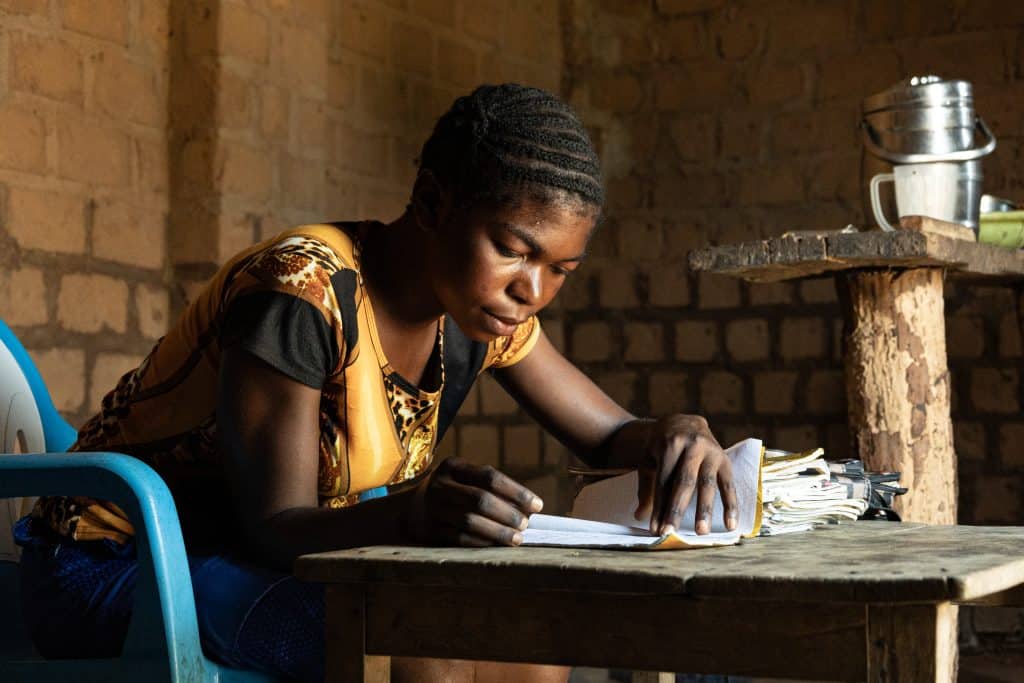
Ngalula, die einst in Angst auf diesen abgelegenen Pfaden wandelte, hat noch größere Träume: “Meine Hoffnung ist, dass die Mädchen von Nfuanka die zukünftigen Wasseringenieure von Kasaï werden, damit sie Quellen für andere bauen können.”
Die Auswirkungen von TUDIENZELE und was kommt danach?
Nfuanka ist nicht allein. In den Gesundheitszonen von Kamonia, Kamuesha, Kanzala und Tshikapa hat das TUDIENZELE-Projekt von ADRA 30 Quellen saniert und damit mehr als 15.000 Menschen, darunter 7.785 Frauen, mit sauberem und hygienisch einwandfreiem Wasser versorgt. Für jede dieser Quellen gilt die gleiche Philosophie: Wasserlösungen, die ohne Frauen gebaut werden, sind Wasserlösungen, die die Menschen, die sie am meisten brauchen, im Stich lassen.
Der Weltwassertag 2026 ist nicht abstrakt. Er wird in der roten Tonerde der Provinz Kasaï beantwortet, eine sanierte Quelle, eine Frau in der Verwaltung, ein Mädchen, das sicher zur Schule geht, nach dem anderen.