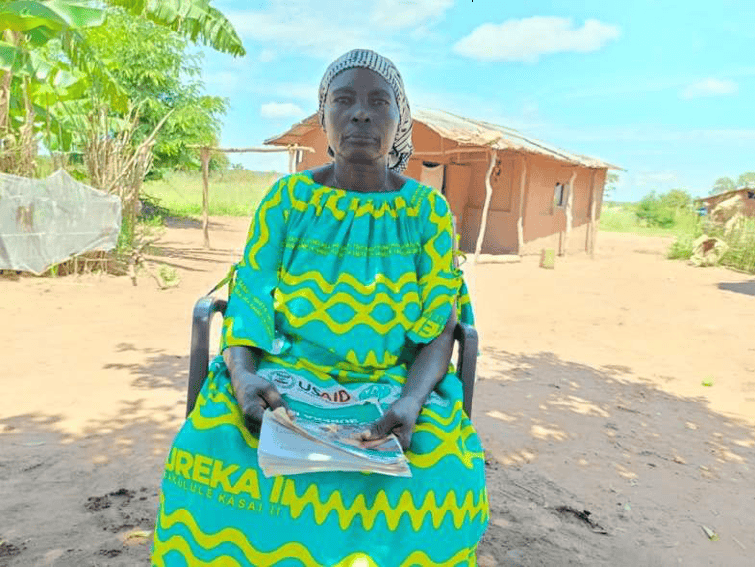
В самом сердце Мунгамбы, оживленного медицинского района в сельской местности Демократической Республики Конго, в провинции Касаи, на территории Камония, живет мадам Чиби Читамбала Жозефина. История 65-летней Тшиби Тшитамбалы, матери девяти детей, является свидетельством преобразующей силы образования.
Жизнь Чиби Читамбалы была отмечена ранним браком и финансовыми трудностями. Ей не хватало базового образования, которое многие считают само собой разумеющимся. Однако её недавние успехи дают надежду и демонстрируют стойкость духа — и всё это благодаря участию в проекте ADRA Bureka-II, финансируемом Программой по повышению грамотности и математической грамотности USAID/BHA.
Ранние годы Жозефины Тшиби Тшитамбала были отмечены невзгодами. Она родилась в семье с ограниченным достатком и вышла замуж в раннем возрасте, что было обычной практикой в ее общине. В результате Тшиби Тшитамбала не получила формального образования, так как ограничения, наложенные обстоятельствами, подавили ее потенциал. В течение десятилетий она жила с сожалением о том, что не умеет читать и писать, что мешало ей полноценно участвовать в жизни общины и обеспечивать свою семью так, как она хотела.
Однако жизнь Чиби Читамбалы резко изменилась, когда организация «Бурека-II» запустила в её деревне программу по ликвидации неграмотности. Эта инициатива была направлена на расширение возможностей взрослых, которые, как и Чиби Читамбала, ранее были лишены возможности получить образование. Цель программы была ясна: усилить обучение женщин грамоте и счету, привив им новые навыки в этих областях и укрепив их умение управлять финансами.
Поначалу Тшиби Тшитамбала колебалась. Мысль о возвращении в класс после стольких лет была пугающей. Но, движимая желанием изменить свою жизнь и стать примером для подражания для своей семьи, она решилась на смелый шаг и записалась на программу. Курсы были адаптированы для взрослых с разными потребностями и скоростью обучения, и Тшиби Тшитамбала попала в благоприятную среду, где она могла учиться в своем собственном темпе.
В рамках программы Чиби Читамбала освоила основные навыки. Она научилась читать и писать простые предложения и, что самое важное, писать свое имя — это стало важным этапом, который наполнил ее огромной гордостью. Для кого-то эти навыки могут показаться базовыми, но для Чиби Читамбалы Жозефины они стали символом обретенной независимости и самоопределения.
Одним из самых примечательных моментов в жизни Чиби Читамбала Жозефины является то, как ее недавно приобретенные навыки чтения и письма благотворно повлияли на ее семью. Теперь, когда Чиби Читамбала умеет читать и писать, она взяла на себя роль наставницы для своих внуков. Эта роль позволяет ей вносить вклад в их образование, помогая с домашними заданиями и чтением. Ее внуки, сначала удивленные новыми способностями бабушки, теперь видят в ней источник поддержки и вдохновения
История Джозефины Чиби Читамбала не заканчивается на её личных достижениях — она затрагивает и более широкий круг людей. Её успех вдохновил других жителей Мунгамбы на поиск подобных возможностей для себя. Она стала символом того, чего можно достичь, когда взрослым предоставляется второй шанс на обучение. Чиби Читамбала часто делится своим опытом с другими и поощряет их преодолевать препятствия на пути к образованию.
Невозможно переоценить влияние программы Bureka по обучению счету и грамотности на жизнь Тшиби Тшитамбала Жозефины. Предоставив инструменты для обучения грамоте, программа не только изменила ее личную жизнь, но и позволила ей играть более активную и полноценную роль в своей семье и обществе. История Тшиби Тшитамбала Жозефины - это мощное напоминание о том, что образование может кардинально изменить жизнь, независимо от возраста и предыдущих обстоятельств.
В конечном счете, путь мадам Тшиби Тшитамбала Жозефины - это праздник стойкости, обучения и способности человеческого духа к эволюции. Их успех - яркий пример того, как целевые образовательные программы могут разорвать замкнутый круг неблагополучия и дать людям возможность полностью раскрыть свой потенциал.