Há um momento nos Evangelhos a que volto muitas vezes. Os discípulos, tentando controlar a multidão, afastam as crianças de Jesus. E Jesus impede-os. Não permite simplesmente que as crianças se aproximem. Repreende aqueles que as querem manter à distância. “Deixai-as vir”, diz Ele. “Não as impeçais”.”
Enquanto aguardamos com expetativa a comemoração do Dia Mundial do Refugiado no final deste mês, a 20 de junho, um dia ancorado este ano pelo tema “Até que todos estejam seguros”, não posso ler estas palavras de Jesus sem pensar nos quase 49 milhões de crianças em todo o mundo que foram deslocadas à força das suas casas.
Crianças que não escolheram a guerra. Que não traçaram fronteiras. Crianças em movimento.
As crianças suportam o que não escolheram
A deslocação afecta todas as pessoas, mas atinge as crianças de forma diferente. Um adulto forçado a fugir carrega consigo o luto, a perda e desafios inimagináveis. Uma criança na mesma situação partilha esses desafios e muito mais.
Uma criança que se desloca está muitas vezes a deixar para trás tudo o que conhece. Os amigos de quem gostam, a comunidade a que chamam casa, a educação em que confiam para o futuro, a segurança com que nunca tiveram de se preocupar.
É por isso que as crianças estão no centro do trabalho da ADRA com as comunidades deslocadas. Crianças no Líbano que não se sentam numa sala de aula há anos. Os mais pequenos no Sudão que percorreram distâncias que esgotariam um adulto, por vezes sem um dos pais ao seu lado. Crianças ao longo das rotas migratórias na América Latina que carregam memórias que nenhuma infância deveria ter. Crianças na Ucrânia que se arrepiam perante sons que os restantes de nós mal notam.
Quando tive a oportunidade de passar algum tempo com crianças refugiadas, o que me impressiona é mais do que as dificuldades. É a resiliência que está por detrás disso.
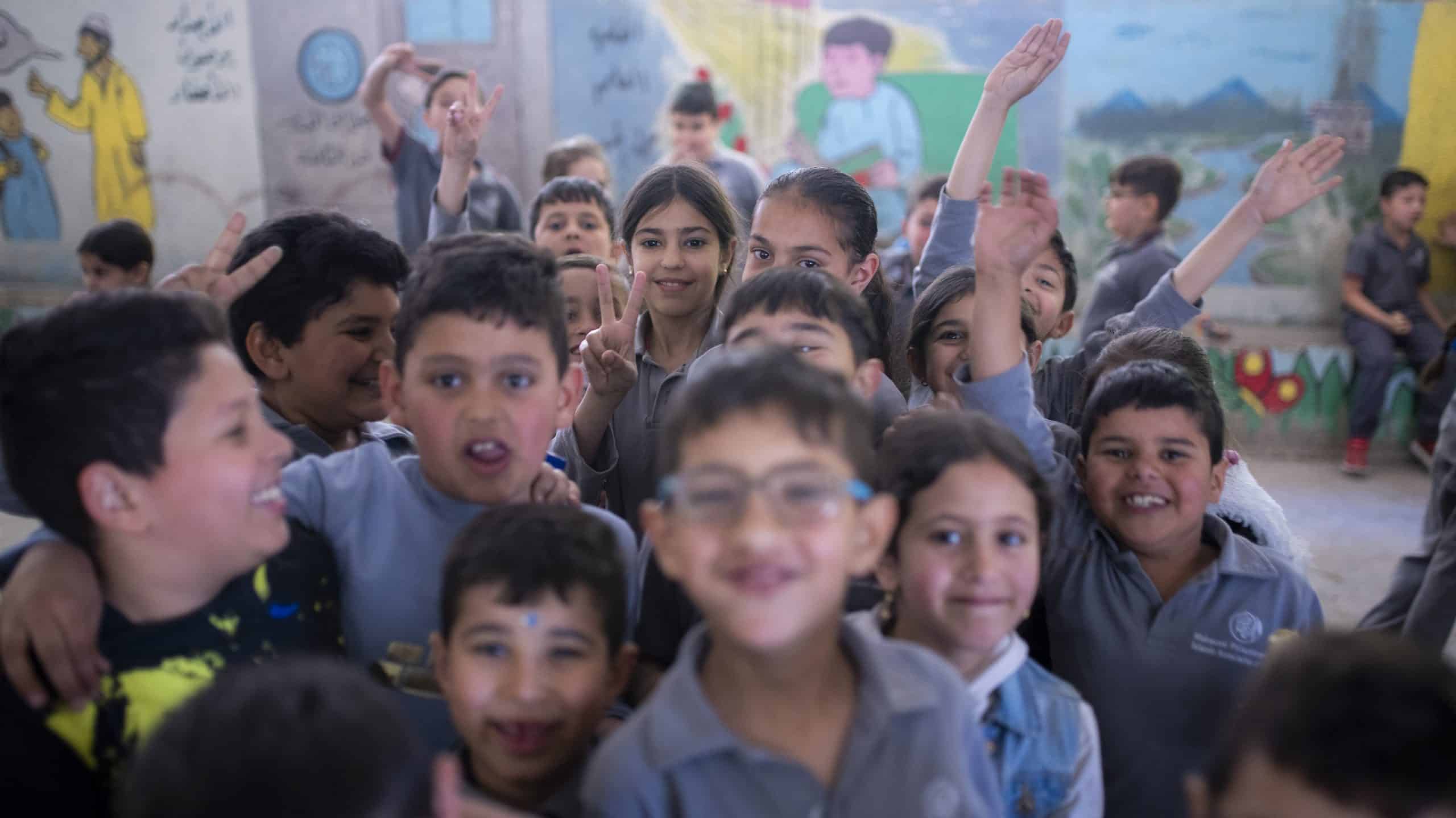
Ainda se riem quando algo tem piada. Ainda agarram a mão de alguém no escuro. Continuam a querer aprender, brincar, pertencer a algum lado.
Apesar do que a crise pode tirar deles, as crianças continuam a ser crianças.
Não é uma questão política. É uma questão humana.
A política de refugiados tornou-se profundamente politizada em muitas partes do mundo. Pessoas razoáveis têm opiniões diferentes sobre as fronteiras, a capacidade e as responsabilidades das nações. Reconheço e compreendo a complexidade da questão.
Mas uma criança não é uma posição política. Uma criança de sete anos que perdeu a sua casa não é um símbolo de um debate. Ela é uma criança que Deus vê, conhece e ama, da mesma forma que vê e ama cada criança que está a ler isto ao lado dela.
Independentemente da nossa política, creio que a maioria de nós partilha uma convicção fundamental: as crianças merecem proteção. Merecem segurança. Merecem a oportunidade de crescer com a sua dignidade intacta. Essa convicção não é partidária. É humana. E para aqueles de nós que seguem Jesus, é também teológica.
Não os impeça
As palavras de Jesus aos Seus discípulos não foram apenas um convite. Eram uma correção. Os discípulos pensavam que estavam a ser práticos - a controlar a multidão, a manter a ordem. Na verdade, o que estavam a fazer era colocar uma barreira entre as pessoas vulneráveis e Aquele que as podia ajudar.
Sinto-me confrontado com esse desafio. É fácil, num mundo cheio de necessidades urgentes, deixar que a distância e a complexidade se tornem também uma espécie de barreira. Sentirmo-nos esmagados e, nesse esmagamento, desviarmos o olhar. Deixar passar a manchete sem que isso nos custe nada.
Na ADRA, tentamos manter-nos próximos. As nossas equipas estão presentes nos locais que a maioria das pessoas deixou de ver. Estão a distribuir alimentos, a restabelecer o acesso à educação, a prestar apoio psicossocial a crianças e famílias que estão a passar por traumas. Não porque seja fácil, mas porque a proximidade é uma forma de fidelidade.
Todas as crianças, ainda vistas
Uma das verdades mais reconfortantes das Escrituras é que Deus vê aqueles que o mundo ignora. Agar, abandonada no deserto, chama-lhe “o Deus que me vê”. Os Salmos voltam uma e outra vez à imagem de Deus que se aproxima dos quebrantados de coração.
Creio que isso continua a ser verdade. Para cada criança que atravessa uma fronteira com medo, para cada criança que procura segurança numa crise, para cada criança sentada num abrigo temporário a pensar no que virá a seguir. Deus não as perdeu de vista. A questão é se nós as perdemos.
Este ano, no Dia Mundial do Refugiado, peço-vos simplesmente que olhem. Que deixem a história de uma criança chegar até vós, independentemente da distância que vos separa dela. Que resistam ao entorpecimento provocado por demasiados títulos de jornais e que se lembrem que por detrás de cada número há um nome, um rosto, uma vida que é importante para Deus.
Jesus não disse simplesmente “deixai-os vir”. Ele disse: “não os impeçais”. Há aí uma postura, uma abertura ativa do caminho. É a isso que este momento nos chama. Não ao heroísmo. Apenas fidelidade.
E depois, se fores capaz, faz alguma coisa. Dêem, rezem, defendam. Até que todos estejam a salvo, seja aquele que se recusa a deixar que as crianças sejam afastadas.