Lina, 25 ans, est serbo-syrienne, née en Serbie d'une mère serbe et d'un père syrien. À l'âge de 12 ans, son père est décédé et elle s'est rendue en Syrie avec sa mère et son frère aîné, Samir, pour ramener le corps du défunt dans son pays d'origine. Ils n'avaient pas l'intention de rester longtemps, mais comme sa mère avait désormais deux enfants à charge et de la famille en Syrie, ils ont fini par s'installer à Damas.
Après avoir terminé ses études secondaires, Lina a commencé à étudier les sciences politiques à l'université. Puis la guerre a éclaté.
“Je ne me sentais pas en sécurité. Parfois, lorsque je quittais ma maison pour aller à l'université, je ne savais pas si je reviendrais. Ce n'était pas une vie normale. On essayait de ne pas sortir à moins d'en avoir vraiment besoin.”
En 2011, elle était en vacances en Serbie lorsque sa mère l'a appelée pour lui dire de rester sur place ; Samir et elle avaient décidé de quitter la Syrie et de la rejoindre en Serbie.
“Mais je suis quand même revenue. Je ne voulais pas quitter la Syrie - tous mes amis et ma famille s'y trouvaient, et je voulais terminer mes études. Mais ma mère avait pris sa décision, alors j'ai dû partir avec eux”.”
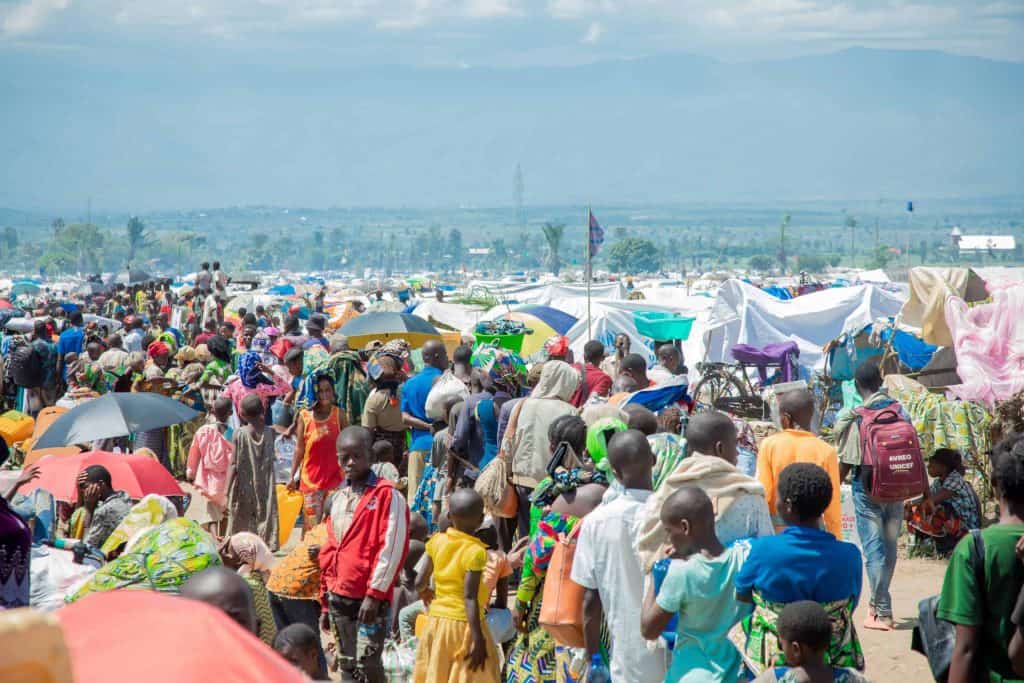
En Serbie, Lina a occupé plusieurs emplois différents en tant que traductrice, avant de se voir proposer un emploi chez ADRA en novembre 2015. Lina et Samir se sont vu proposer des postes de traducteurs au camp de réfugiés de Presevo, et leur mère les a également rejoints en tant que traductrice une semaine plus tard.
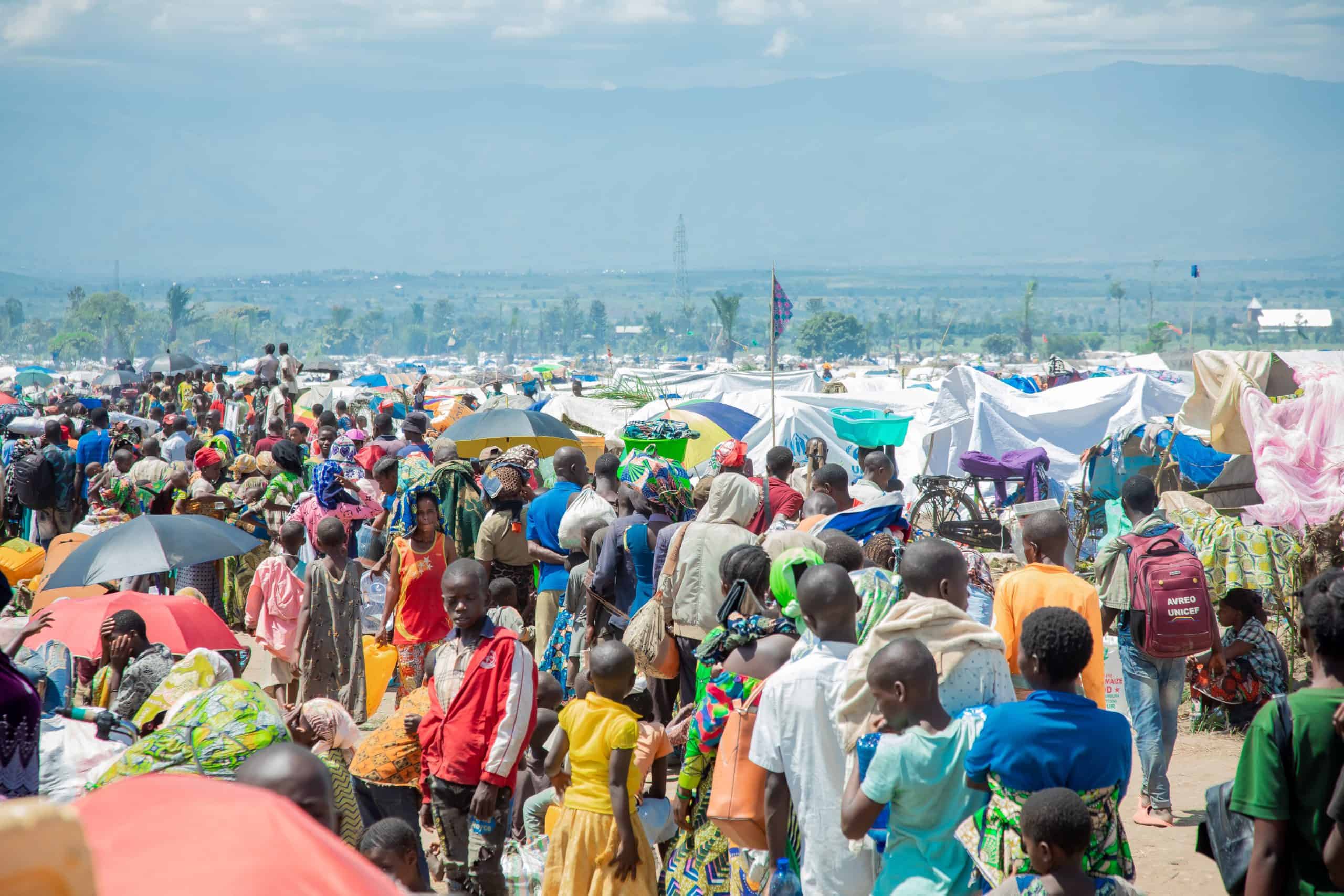
“Lorsque je travaillais comme traductrice dans le camp de réfugiés de Presevo, j'ai rencontré certains de mes amis de l'université et du lycée. Ils ont été très choqués de me voir. Ils m'ont dit : ‘Lina, qu'est-ce que tu fais ici ?’ C'est très dur de voir des gens que l'on connaît et dont on sait qu'ils ont eu une vie formidable et qu'ils sont maintenant des réfugiés.”
Lina est restée en contact avec ses amis, qui se trouvent maintenant en Allemagne. Certains d'entre eux sont encore dans des camps, mais d'autres vivent dans des maisons.
“Ils me disent que ce ne sera jamais comme en Syrie, qu'ils s'y sentiront toujours comme des étrangers.
“J'ai l'impression que mon pays d'origine est la Syrie. En Serbie, les gens sont différents, la culture est différente. J'ai eu besoin de temps pour me sentir comme l'un d'entre eux.
“Si la guerre s'arrêtait, je serais la première personne à la frontière [syrienne]. Je ne vivrai peut-être plus jamais là-bas, mais je m'y rendrai quand je le pourrai”.”