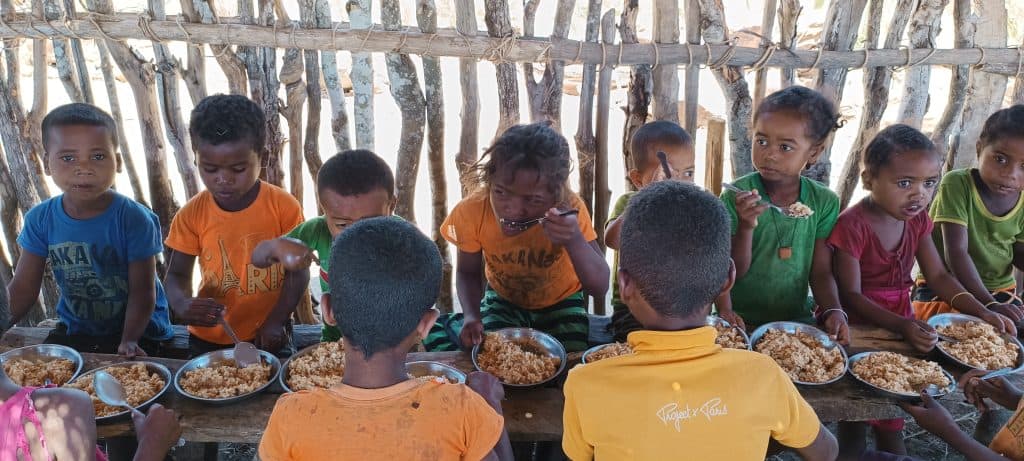
Sitrakiniaina Bertinah Fazila, connue sous le nom de Fazila, a 22 ans et vit avec ses parents dans le petit village d'Amboanjo, à environ 30 km du district de Manakara, sur la côte est de Madagascar. Comme beaucoup de jeunes de son village, elle n'a que peu d'opportunités et peu d'espoir de trouver un emploi.
Fazila gagne un peu d'argent en vendant des snacks, mais les bénéfices sont très faibles.
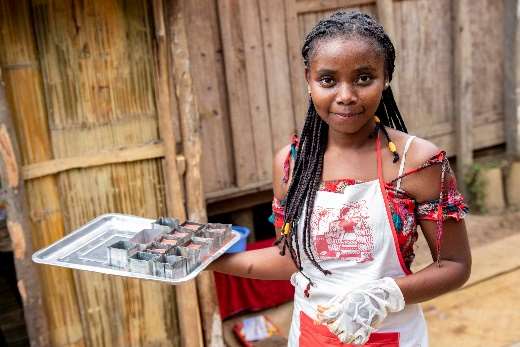
L'arrivée du projet FIOVANA dans le village de Fazila a marqué le début d'un nouveau chapitre pour elle. Elle a rejoint deux groupes créés par le projet : la plate-forme des jeunes et une association d'épargne et de crédit (SLA). Ces groupes ont été conçus pour aider les membres de la communauté, en particulier les jeunes, à trouver de nouveaux moyens de gagner un revenu et d'acquérir une indépendance financière.
En juillet 2022, FIOVANA a organisé des sessions de formation sur les activités génératrices de revenus pour les jeunes membres de l'ALS, y compris la fabrication de savon. Fazila a été reconnue comme l'une des participantes les plus actives de son groupe et a été sélectionnée pour y assister. Pendant cinq jours, elle a appris différentes techniques et outils pour fabriquer du savon. Pour l'aider, le projet lui a fourni une balance et un batteur à main.
À son retour, Fazila était impatiente de commencer. “J'ai décidé d'économiser l'allocation alimentaire que j'ai reçue pendant la formation pour acheter des matières premières”, dit-elle. “Trois jours plus tard, j'ai commencé à fabriquer du savon. J'étais très excitée parce que ma première tentative avait été couronnée de succès. J'ai même donné le premier savon que j'ai fabriqué à mes voisins.”
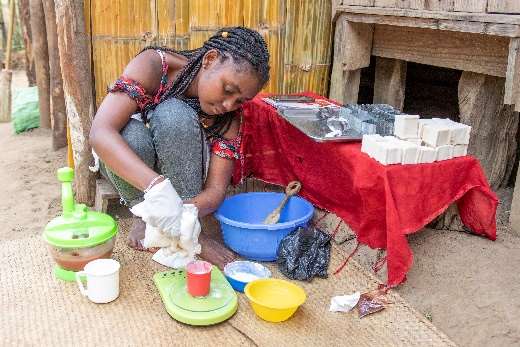
Aujourd'hui, Fazila a déjà trois clients réguliers : sa mère et deux commerçants du marché du village. Chaque semaine, les commerçants commandent jusqu'à un carton - 36 barres de savon - pour environ $8.
“Un jour, je veux ouvrir un grand atelier appelé Fazila Soapery”, dit-elle. “Mes produits auront un bel emballage et j'utiliserai du matériel professionnel.”
Son savon est apprécié par ses clients. “Il est de bonne qualité”, a déclaré un client. “Il mousse bien, dure longtemps et peut être utilisé pour le bain, le lavage du visage et la lessive. Une barre suffit pour laver un seau entier de vêtements. Il est également plus abordable que les autres savons, qui sont souvent de moins bonne qualité”.”
Grâce à son commerce de savon, Fazila voit déjà des changements dans sa vie. “Avec les bénéfices, j'ai pu acheter un smartphone et trois poulets pour démarrer une autre petite activité”, dit-elle. Fiovana signifie “changement‘ en malgache, et il apporte vraiment du changement dans ma vie.’
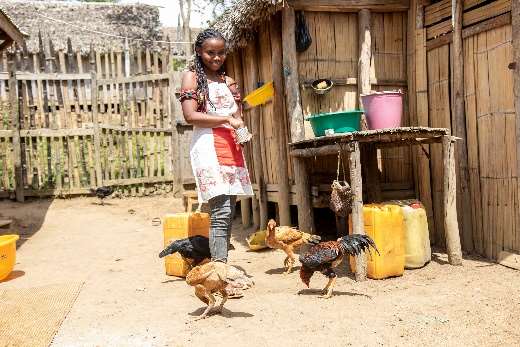
Pour Fazila, cette entreprise n'est pas seulement une source de revenus, mais aussi une source de fierté et d'épanouissement personnel. “Je suis fière de ce que j'ai construit”, dit-elle. “Beaucoup de jeunes comme moi rêvent d'avoir ce genre d'opportunité.”