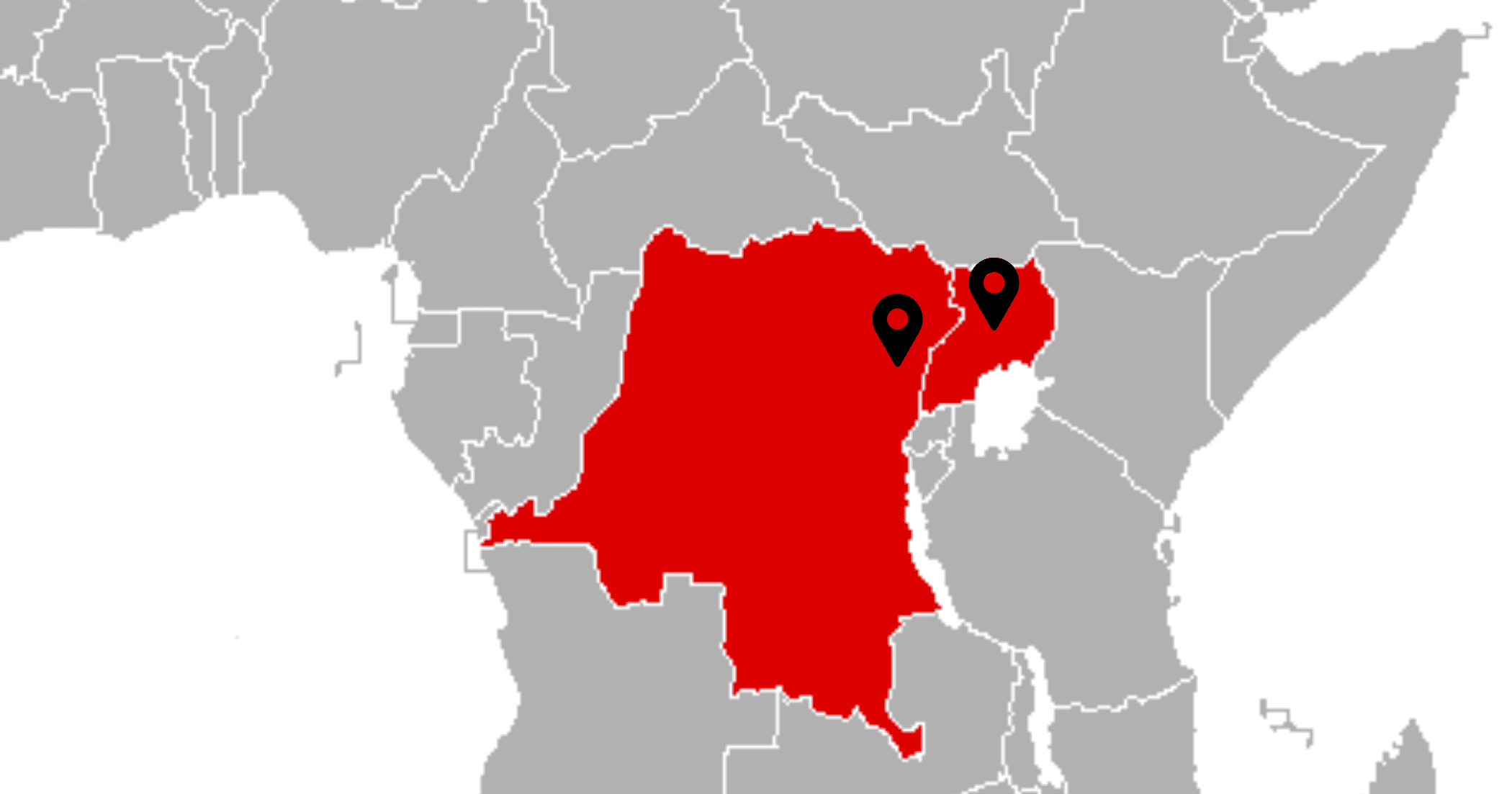
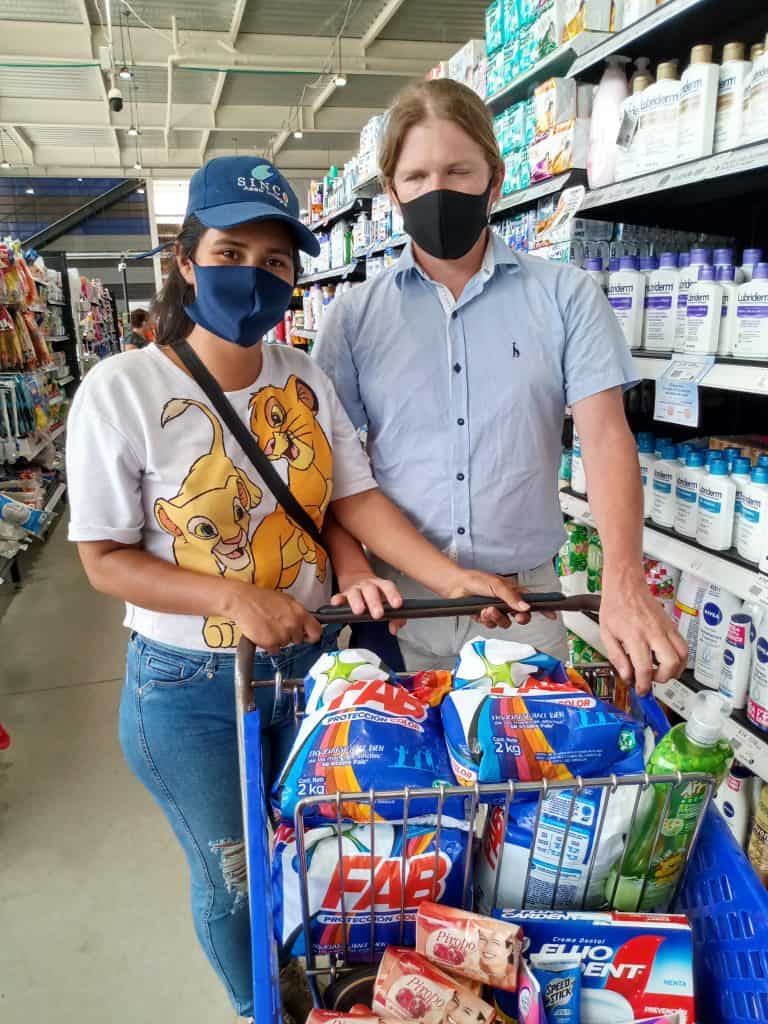
Todos los días, Rufo y su esposa Fanny salen muy temprano por la mañana. La pareja, que emigró recientemente a Colombia desde Venezuela, recoge materiales para reciclar y transportar en la ciudad que ahora llaman hogar, y así es como ganan dinero.
“Vivimos de un sueldo diario, aunque sea poco, pero algo sacamos”, dice Rufo.
Es este poco dinero el que la pareja emplea para sufragar los gastos de su familia, que no sólo incluye a las dos hijas de la pareja, sino también a la madre de Fanny.
Los inmigrantes que buscan un trabajo seguro siempre se enfrentan a dificultades, pero Rufo se enfrenta a una dificultad añadida porque además es ciego.
Las oportunidades son siempre limitadas para las personas ciegas o con otras discapacidades. La mayoría de los entornos laborales, especialmente los que están a disposición de los inmigrantes, no ofrecen puestos de trabajo accesibles para quienes tienen limitaciones visuales, auditivas u otras discapacidades. Es demasiado fácil que los empresarios nieguen el trabajo a inmigrantes con discapacidad que aún no han obtenido el estatuto de residencia y las protecciones que conlleva.
“Fui a dejar mi currículum a un sitio donde me dijeron que estaban contratando”, cuenta Rufo. “En cuanto vieron que soy ciego y venezolano, me cerraron la puerta, ‘¡no hay!’, me dijo la señora”.”
Hace años, la historia de Rufo y Fanny era muy distinta.
“Trabajé en el Instituto del Deporte como atleta y ayudante del entrenador de judo para ciegos”, dice Rufo. “Con Fanny trabajamos para conseguir talentos deportivos. Luego aquello quebró y tuvimos que empezar a trabajar por nuestra cuenta”.”
Como muchos otros en Venezuela, cada vez era más difícil proporcionar una buena vida a su familia en el país.
“Fue duro para nosotros, sólo había harina para tres comidas”, añadió Fanny. “Mi cuñado nos dio verduras y con eso pudimos hacer sopa para nuestra niña, pero sólo para ella”.”
Como su situación no dejaba de empeorar, tomaron la decisión de emigrar a Colombia.
Un pariente en Colombia les dijo a Rufo y Fanny que ADRA proporcionaba ayuda como atención médica y pañales a los inmigrantes venezolanos. En cuanto pudieron, se inscribieron en ADRA y empezaron a recibir atención.
“Nos daban vitaminas, nos mandaban análisis y luego el médico los revisaba”, cuenta Fanny. “Mi madre tenía el colesterol alto y le mandaron pastillas para bajarlo. También me dieron vitaminas a mí, que estoy amamantando. Ha sido súper rápido, eficiente”.”
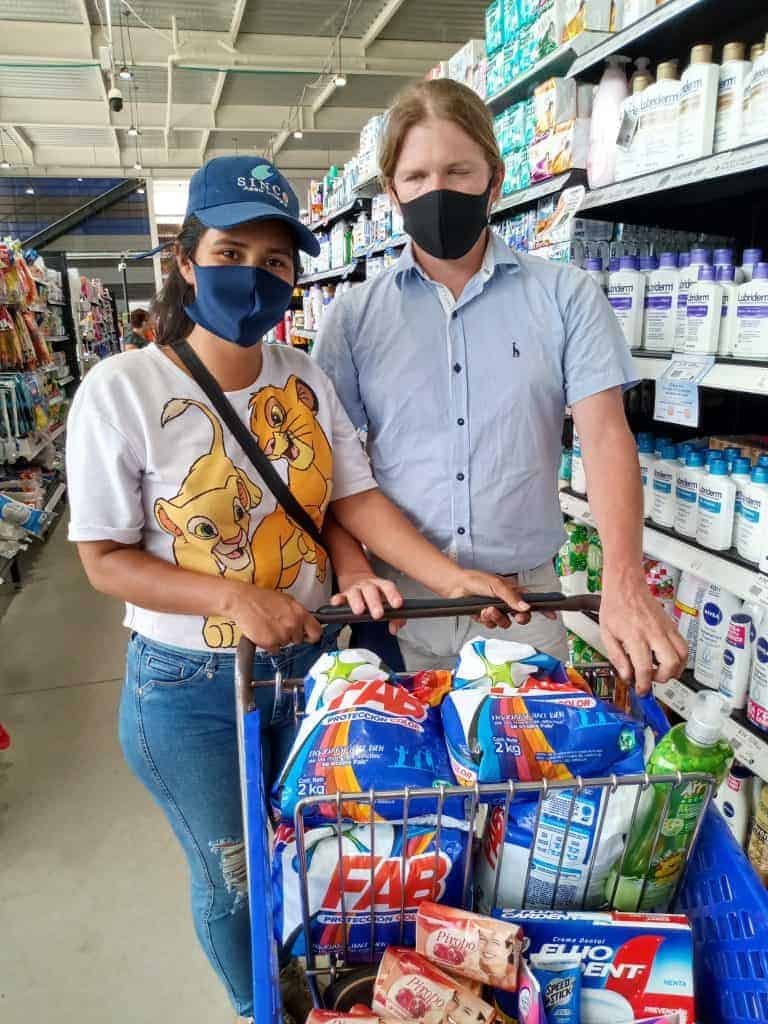
La familia también pudo recibir vales que podían utilizar para comprar artículos de higiene esenciales. “Compramos el jabón para el día, hay veces que ni siquiera tenemos eso porque solo tenemos dinero para comida, así que es difícil, incluso comprar pasta de dientes es difícil para nosotros, y eso [el vale] nos ayudó mucho”, dijo Fanny.
Rufo y su familia desean establecerse permanentemente en Colombia y están agradecidos por los beneficios que han recibido.
“Ha sido un gran alivio”, dijo Rufo.