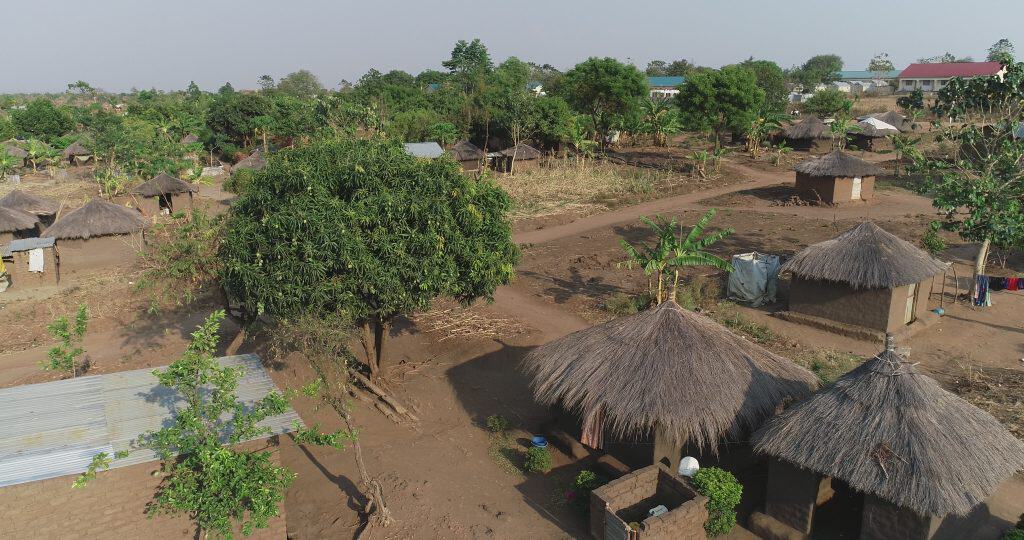
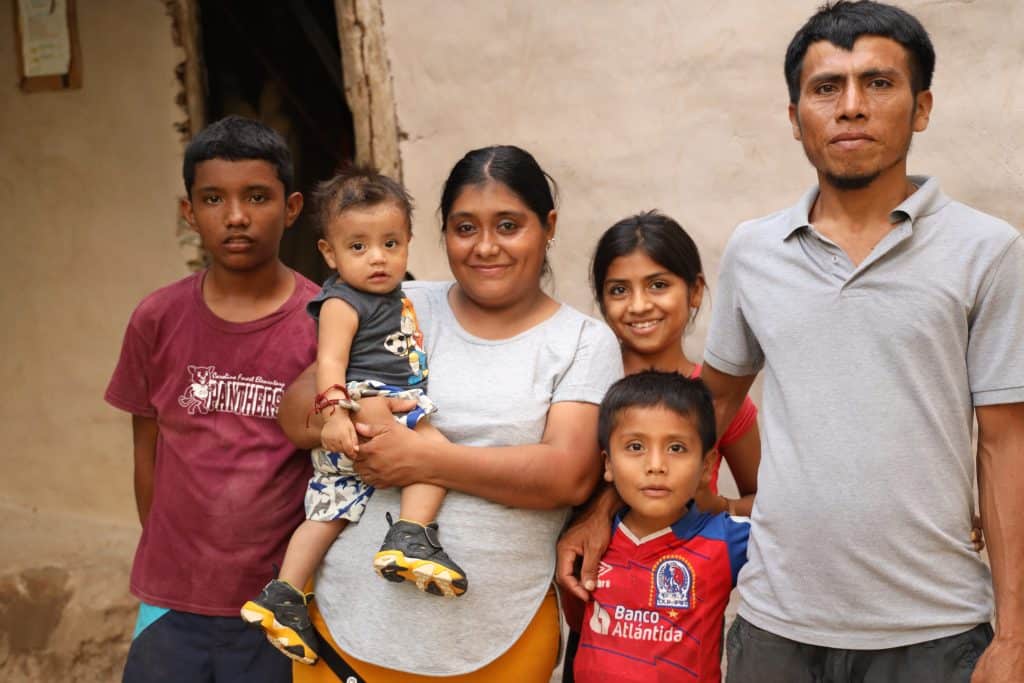
Fatooma Alnour Ibrahim, 35, ist Bäuerin und Haushaltsvorstand einer elfköpfigen Familie. Sie lebt im Dorf Said Mahadi in der Gemeinde Aljabalain im Bundesstaat Weißer Nil. Wie das Leben vieler Familien im Sudan ist auch ihr Leben von Vertreibung, Konflikten und klimabedingten Herausforderungen geprägt.
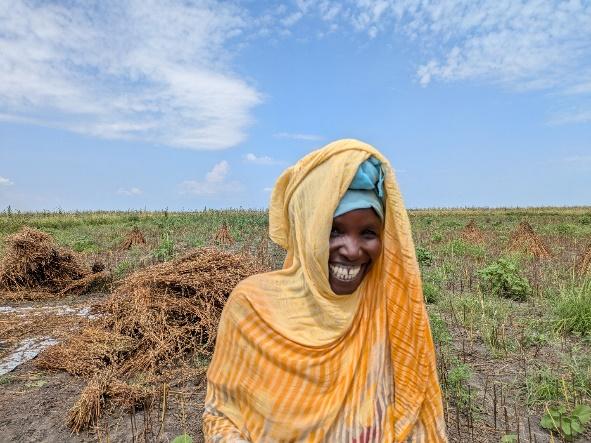
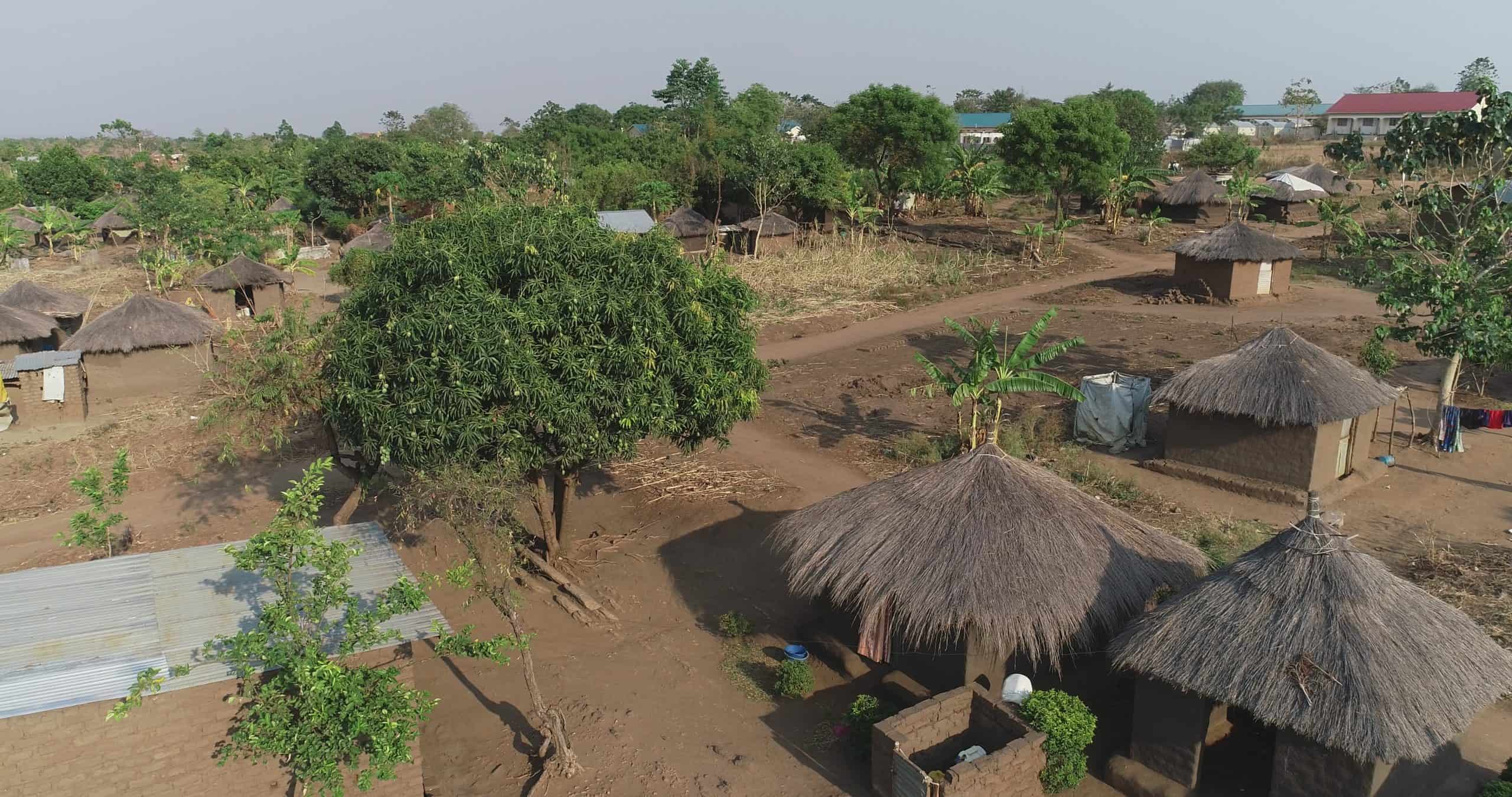
Fatooma und ihre Familie waren aufgrund des anhaltenden Konflikts gezwungen, ihr Zuhause im Bundesstaat Blauer Nil zu verlassen. Sie flohen in das Dorf Said Mahadi, das ebenfalls mit Herausforderungen wie Überschwemmungen und eingeschränktem Zugang zu grundlegenden Ressourcen zu kämpfen hat. Der Neuanfang war nicht einfach. Ohne festes Einkommen und mit nur wenigen landwirtschaftlichen Hilfsmitteln kämpfte ihre Familie ums Überleben. “Wir hatten kaum genug zu essen, geschweige denn genug, um eine ordentliche Ernte einzufahren”, erinnert sich Fatooma.
Im Jahr 2023 begann sich die Lage zu ändern. ADRA Sudan führte in Zusammenarbeit mit USAID und CIMMYT im Rahmen des SASAS-Projekts neue landwirtschaftliche Fördermaßnahmen in Said Mahadi ein. Das Programm zielte darauf ab, Kleinbauern, insbesondere vertriebenen Familien, beim Wiederaufbau ihres Lebens zu helfen. Es stellte hochwertiges Saatgut bereit, bot Schulungen zum klimafreundlichen Anbau an und ermutigte die Bauern, im Rahmen lokaler Genossenschaften zusammenzuarbeiten.
In der Hoffnung auf eine bessere Zukunft trat Fatooma der Almujtdeen-Genossenschaft bei. Zunächst war sie sich nicht sicher, ob das wirklich helfen würde. “Ich dachte nicht, dass es viel bewirken würde”, sagte sie. “Aber ich beschloss, es einfach mal zu versuchen.”
Über die Genossenschaft erhielt sie subventioniertes Sesam- und Sorghumsaatgut von einem geschulten „Last Mile Agent“. Mit Hilfe von fünf Familienmitgliedern baute sie auf sieben Feddan Sesam an. Die Ernte übertraf alle Erwartungen – ihre Familie erntete 2.100 Kilogramm Sesam, weit mehr als je zuvor.
“Die Gewinne waren sehr gut, vor allem weil die Sesampreise hoch waren”, sagte sie. “Ich habe durch den Verkauf von Sesam mehr als 6.142.500 SDG verdient. Ich habe vor, einen Teil der Samen für die nächste Saison aufzubewahren. Diese Erfahrung hat mir gezeigt, was mit der richtigen Unterstützung möglich ist, und ich glaube, dass mein Einkommen weiter steigen wird.”
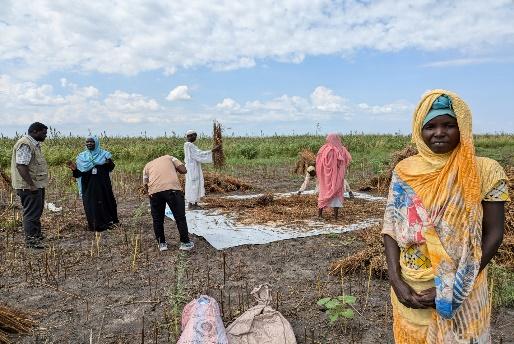
Fatoomas Erfolg wurde zu einem Wendepunkt für ihre Familie. Mit den Einnahmen aus ihrer Ernte konnte sie wieder in ihren landwirtschaftlichen Betrieb investieren und besser für ihre Kinder sorgen, was neues Gleichgewicht und neue Hoffnung in ihr Leben brachte.
Ihre Geschichte spiegelt die Stärke und Widerstandsfähigkeit von vertriebenen Familien wider, die vor großen Herausforderungen stehen. Dank der Unterstützung durch ADRA – in Form von hochwertigem Saatgut, praktischen Schulungen und einem besseren Zugang zu Märkten – verfügen Landwirte wie Fatooma nun über die Mittel, um nicht nur zu überleben, sondern sich eine bessere Zukunft aufzubauen.
“Jetzt habe ich Hoffnung für die Zukunft”, sagte Fatooma. “Ich bin ADRA, USAID und CIMMYT für ihre Unterstützung dankbar. Diese Erfahrung hat mir das Selbstvertrauen gegeben, meinen landwirtschaftlichen Betrieb auszubauen und für meine Familie zu sorgen.”