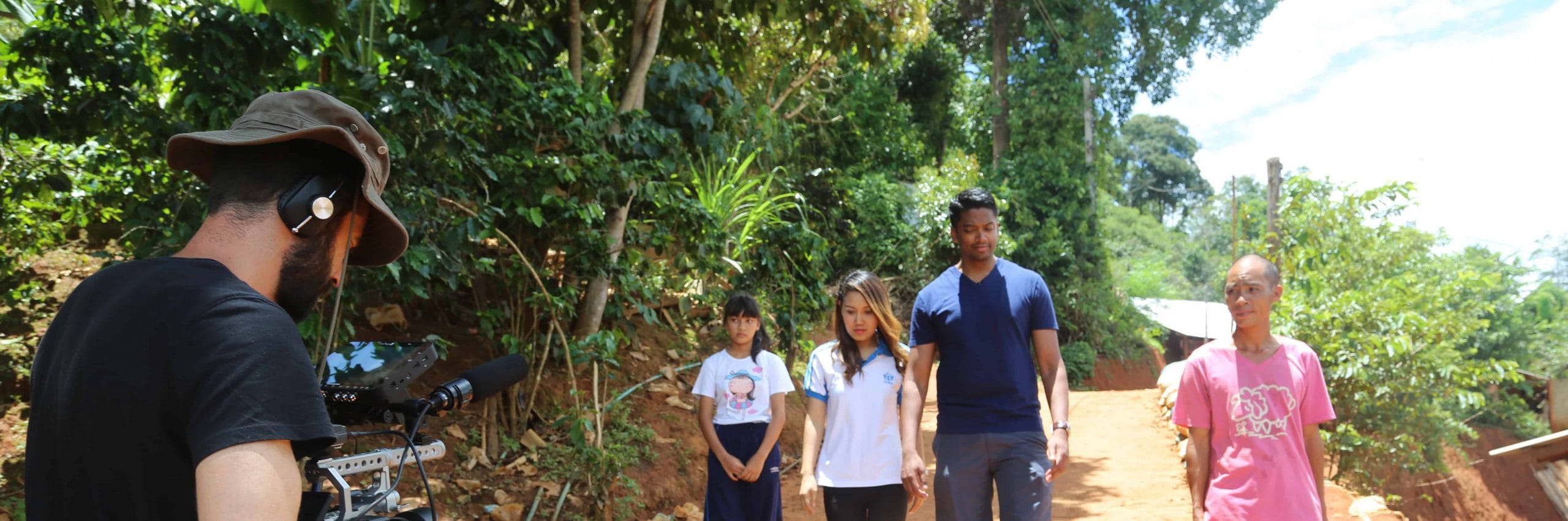
A Pim não está contente por ver o pai. A rapariga de 14 anos evita nervosamente o contacto visual e as suas mãos pequenas agitam-se como pássaros de asas partidas. Ela alterna o peso de uma perna para a outra, morde o lábio e sopra uma madeixa de cabelo que lhe cai sobre a testa. A madeixa cai na mesma e esconde um dos seus olhos, que ela guarda com cautela.

Para uma rapariga que regressa à sua casa e à sua família, ela comporta-se menos como uma criança que se reencontra com os seus entes queridos e mais como uma prisioneira à espera de julgamento. De certa forma, é exatamente isso que ela é.
“Ele diz que não a pode enfrentar neste momento”, traduz a Joy.
Isto é uma boa notícia. Significa que a Pim pode regressar ao abrigo onde vive há sete anos — onde os seus amigos, os seus cachorrinhos, as suas galinhas e as suas aulas de guitarra estão à espera para lhe dar as boas-vindas. É uma boa notícia, mas vem acompanhada de um tipo de tristeza que nenhuma criança merece. Porque, embora ela queira desesperadamente regressar ao abrigo, há, sem dúvida, uma parte dela que deseja desesperadamente que o pai a receba em casa.
Talvez a melhor notícia seja o facto de Pim já não ter de temer a sua própria família e comunidade. Talvez a melhor notícia de todas seja o facto de o mundo em que Pim nasceu já não permitir que as jovens sejam reduzidas a mercadorias sexuais.
Mas não é esse o caso. A Pim continua a viver num planeta onde mais de 20 milhões de pessoas são atualmente vítimas de tráfico para fins de exploração sexual ou trabalho forçado e, por isso, terá de se contentar com o que conseguir.
No caminho de regresso ao abrigo, a Pim volta lentamente a ser a rapariga que conheci alguns dias antes, cujos olhos brilham de alegria e cujos lábios revelam um toque de travessura divertida. Por enquanto, a ameaça de ser vendida como escrava ficou para trás.
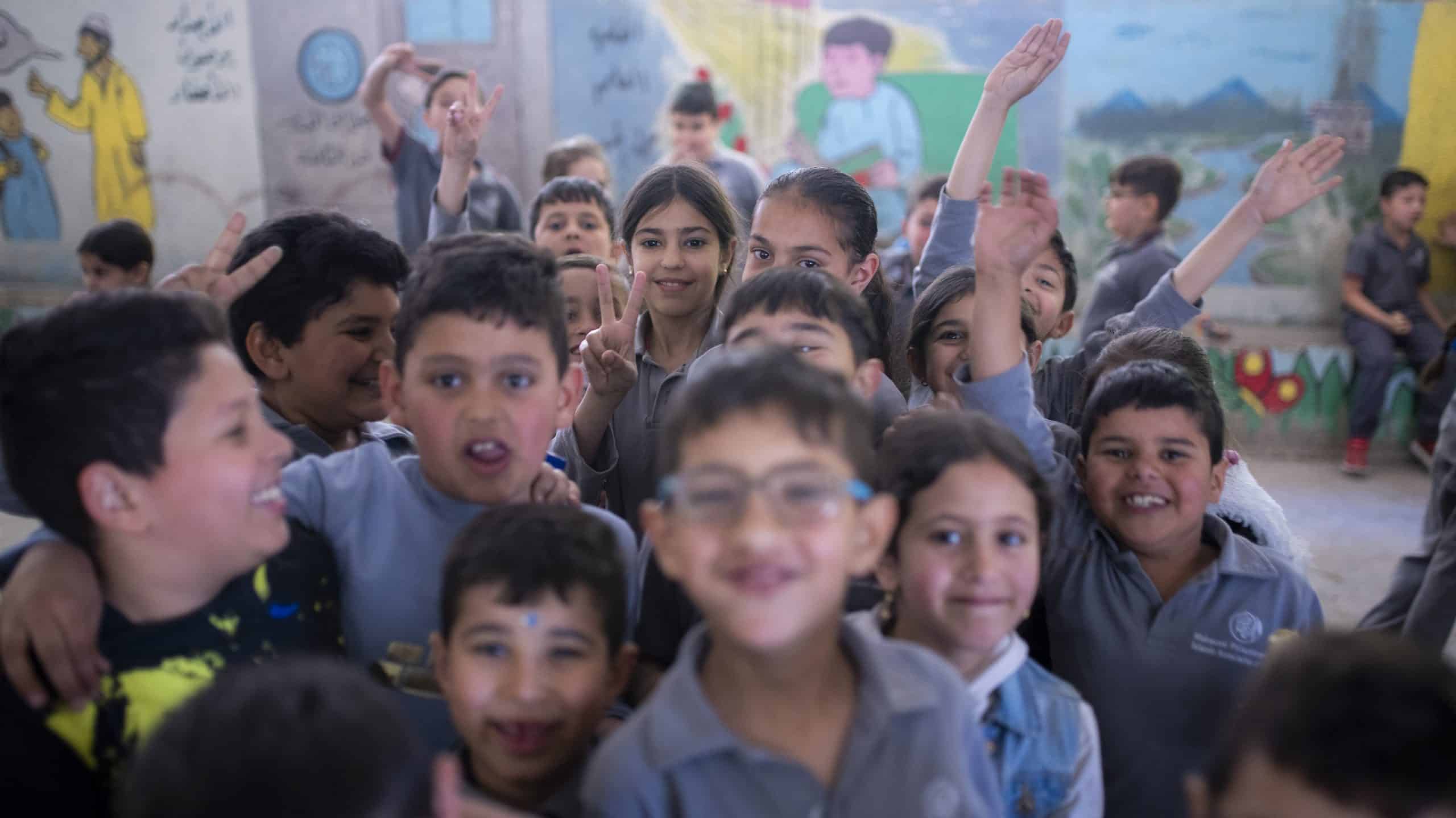
À medida que nos aproximamos do «Keep Girls Safe», uma casa espaçosa e ampla situada num recanto de Chiang Rai, a Pim encosta o rosto ao vidro e sorri. Várias das 30 raparigas que consideram este abrigo o seu lar correm até ao carro e aglomeram-se à volta das portas. A Pim sai do carro e elas lançam-se num abraço daqueles que só um grupo de crianças felizes consegue criar. A Pim está de volta.

Se o lar é um lugar de família, risos e segurança, então o abrigo «Keep Girls Safe» é o único lar que a Pim alguma vez conheceu. Aqui, o seu coração é amado, a sua mente é educada e a sua inocência é preservada. Numa sociedade em que as raparigas são frequentemente valorizadas pela quantidade de dinheiro que conseguem angariar através do trabalho forçado e de atos sexuais, esta última é uma dádiva especialmente rara de se oferecer.

A «Keep Girls Safe» honra aquilo que grande parte do mundo não está disposta ou não consegue fazer: proporcionar a todas as meninas uma infância segura e feliz. As que vivem aqui têm exatamente isso. Cria-se peixes e galinhas, toca-se instrumentos musicais, cultiva-se frutas e legumes, aprende-se danças tradicionais e brinca-se com os três cachorrinhos que vivem no abrigo. Também aprendem a ler e a escrever e matemática, entre outras competências, para que, quando deixarem o abrigo, possam valorizar a sua inteligência em vez do seu corpo.
Embora o mundo em geral possa ser predatório e inseguro, aqui ele é mantido à distância pelo cacarejar das galinhas, o ladrar dos cachorros e o riso de 30 raparigas felizes e protegidas.