Du 21 au 30 avril 2026, le Président d'ADRA International, Paulo Lopes, accompagné du Directeur Régional Afrique Geoffrey Mbwana et du Directeur Régional Finances Afrique Dibden Chileya, a effectué une visite de travail en République Démocratique du Congo. Pendant dix jours, ADRA a réaffirmé sa détermination à agir sur deux fronts essentiels : l'aide humanitaire et le développement, au bénéfice des communautés les plus vulnérables.
Renforcer le dialogue institutionnel pour amplifier l'impact humanitaire
Afin de maximiser l'efficacité des actions humanitaires, M. Lopes a rencontré le coordinateur humanitaire d'OCHA, Bruno Lemarquis, ainsi que plusieurs hautes autorités congolaises : Son Excellence Thérèse Kayikwamba Wagner, ministre des Affaires étrangères ; Son Excellence Ève Bazaiba, ministre des Affaires sociales, de l'Action humanitaire et de la Solidarité nationale ; et Son Excellence Muhindo Nzangi, ministre de l'Agriculture et de la Sécurité alimentaire.
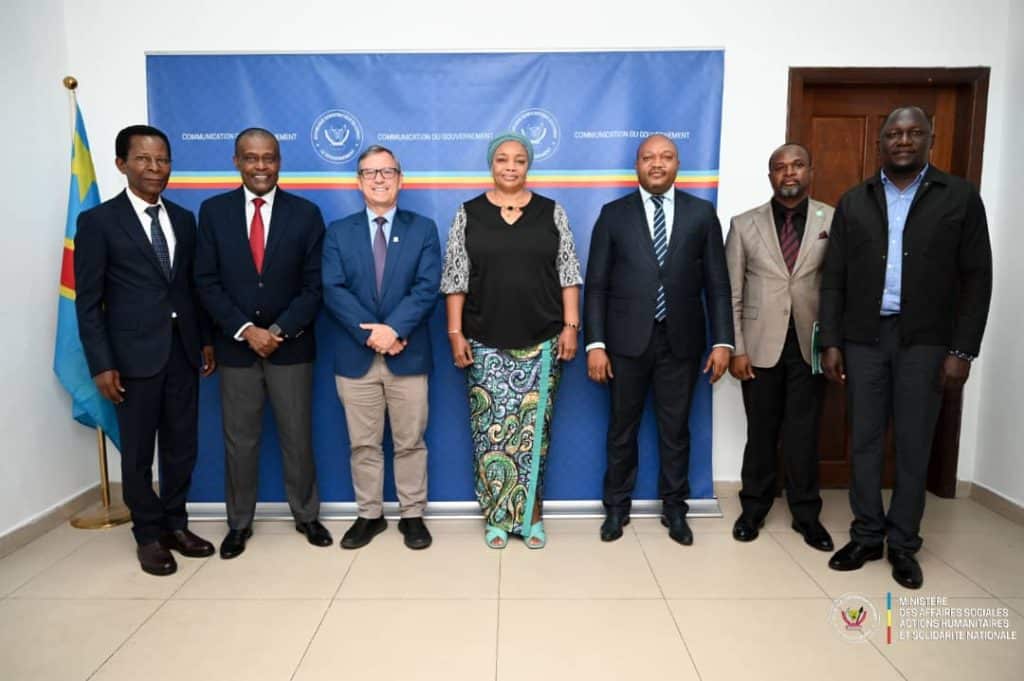
A l'issue de ces échanges, M. Lopes a exprimé sa profonde gratitude pour le soutien continu du gouvernement congolais dans la mise en œuvre des projets d'ADRA. Il a également encouragé une plus forte mobilisation des ministères et de la Présidence pour faire avancer le plaidoyer auprès des bailleurs de fonds internationaux, en faveur du maintien et de l'augmentation du financement de l'aide humanitaire.
Ces réunions ont abouti à des engagements de soutien et à un engagement renouvelé dans le plaidoyer auprès des partenaires financiers. La mission a permis de consolider la coopération institutionnelle et d'ouvrir la voie à un appui renforcé aux initiatives d'ADRA. A la Présidence de la République, Lopes a été reçu par le Conseiller Principal du Chef de l'Etat au Collège du Plan, de l'Agriculture, de la Pêche et de l'Elevage, qui s'est engagé à transmettre ce plaidoyer directement au Président de la RDC.
TUDIENZELE à Tshikapa : des résultats tangibles
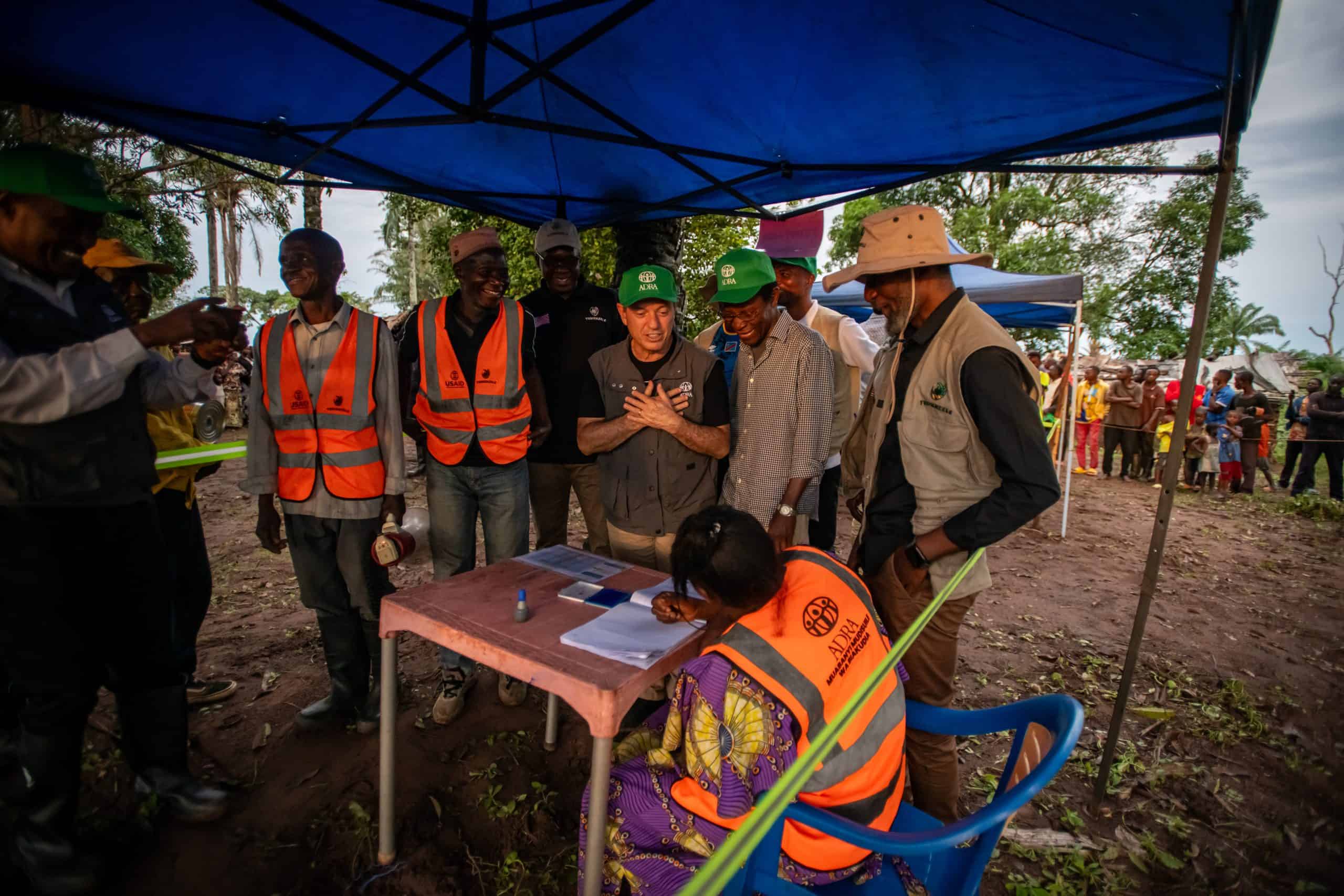
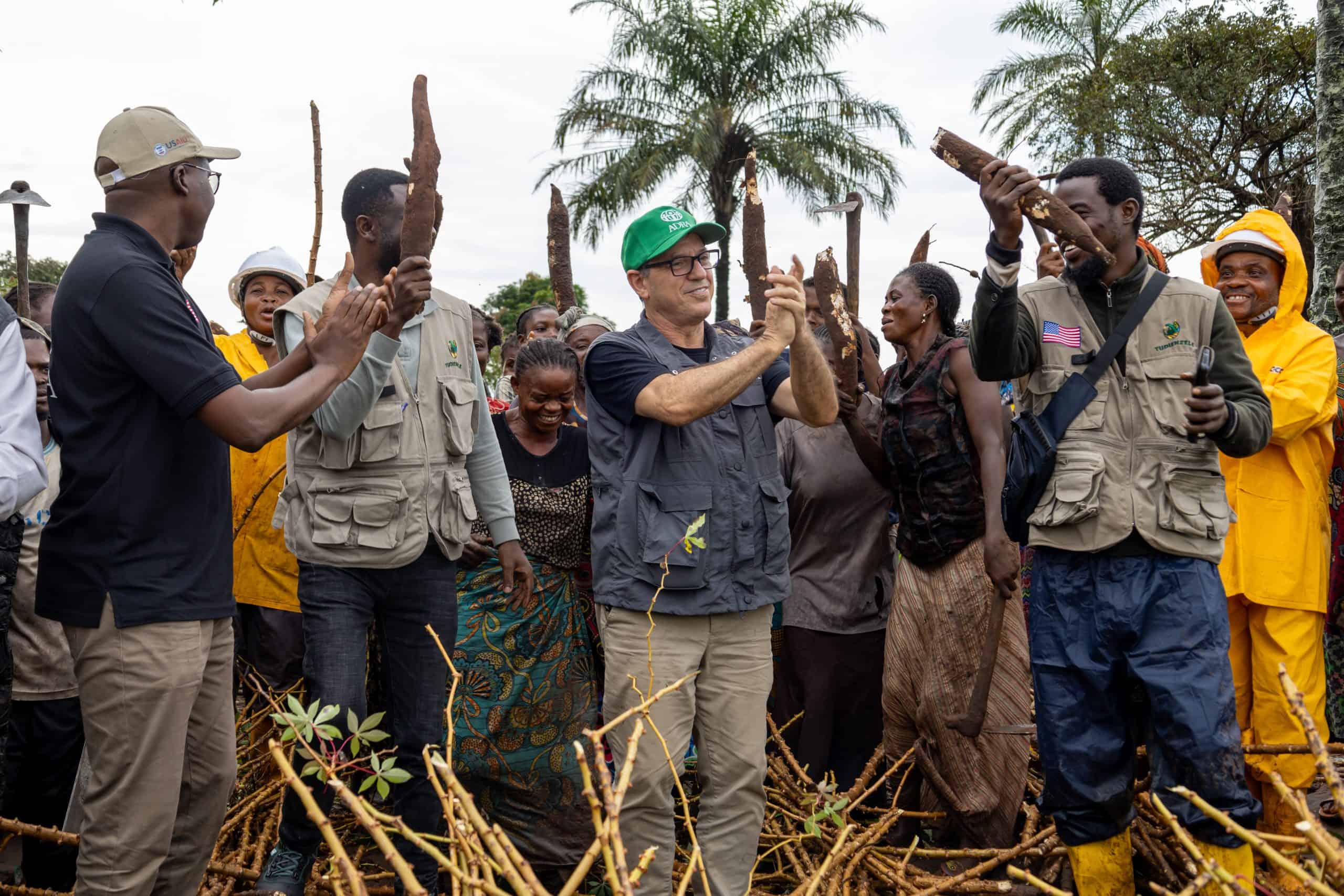
La mission s'est poursuivie par une visite sur le terrain du projet TUDIENZELE, financé par le gouvernement américain et mis en œuvre par un consortium dirigé par ADRA. TUDIENZELE vise à améliorer durablement la sécurité alimentaire, la nutrition et le bien-être économique des ménages vulnérables.
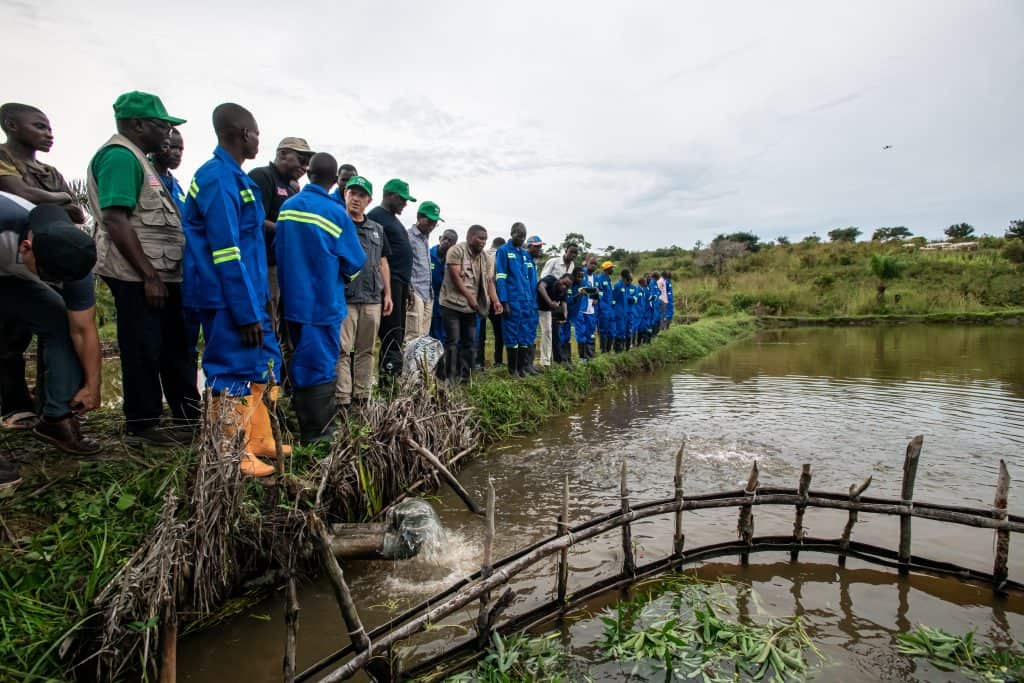
Dans la zone de santé de Kamonia, Lopes a observé l'avancement des travaux de construction d'un pont sur un tronçon réhabilité d'une route de desserte agricole reliant Kamonia à Muamba. Sur place, la mission a également souligné le travail des organisations de producteurs agricoles et piscicoles, qui renforcent la production, la commercialisation et l'accès aux ressources.
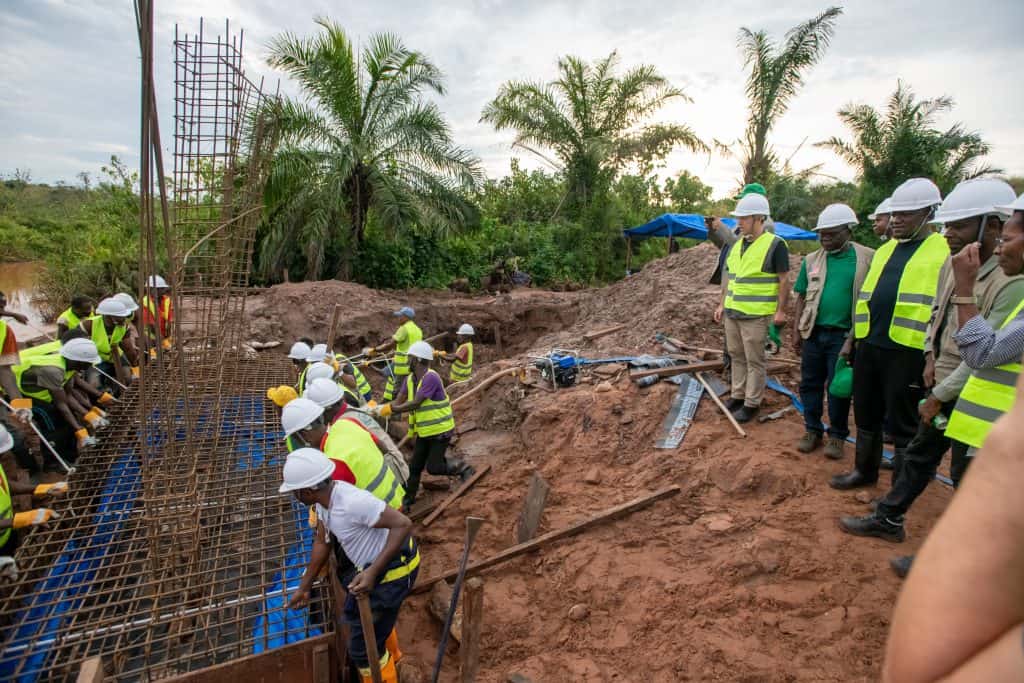
[Crédit photo : Salvador Montes de Oca]
Ce programme ambitieux, qui vise près d'un million de participants, agit sur plusieurs fronts :
- Inclusion financière : création de 2 000 groupes VSLA et déploiement du crédit agricole
- Productivité : création de 875 écoles d'agriculture de terrain, fourniture de semences de qualité et diffusion de pratiques agricoles résilientes.
- Accès au marché : remise en état de 150 km de routes agricoles, construction de marchés et formation d'entrepreneurs.
- Nutrition : promotion des bonnes pratiques par le biais de 320 groupes de soins
- Eau et assainissement : construction ou réhabilitation de 93 points d'eau et mise en œuvre de l'assainissement total piloté par la communauté (CLTS) dans 600 villages.
ADRA en RDC : 40 ans d'action, 12,5 millions de vies changées
Présente dans 120 pays, ADRA est active en République démocratique du Congo depuis 1984. La mission de l'organisation est de briser le cycle de la pauvreté et de la vulnérabilité. Ses programmes ont déjà bénéficié à 12,5 millions de personnes grâce à des interventions dans les domaines de la santé, de l'eau, de l'hygiène et de l'assainissement (WASH), de la sécurité alimentaire et de l'agriculture, ainsi que de l'inclusion financière et de l'éducation.
Au-delà de ces résultats, ADRA s'appuie sur une structure de gestion solide qui garantit une transparence totale vis-à-vis des donateurs et une mise en œuvre efficace des projets. Son action s'étend sur 11 provinces clés : Kinshasa, Kasaï, Nord-Kivu, Sud-Kivu, Tanganyika, Haut-Katanga, Kongo-Central, Équateur, Tshopo, Lualaba et Tshuapa.
À travers cette mission, l'organisation continue de défendre un engagement fondamental en faveur du renforcement de la dignité des personnes vulnérables et de la mise en place de solutions durables.
Une étape clé pour l'avenir des interventions d'ADRA en RDC
Au terme de la mission, la visite de Paulo Lopes apparaît comme une étape cruciale dans l'évaluation de l'efficacité des interventions, le renforcement de la coordination et la définition des orientations futures en RDC. Il en ressort une forte détermination à rendre les résultats sur le terrain plus visibles et durables, et à continuer à travailler avec les partenaires et les autorités pour construire des solutions adaptées aux besoins réels des communautés.